
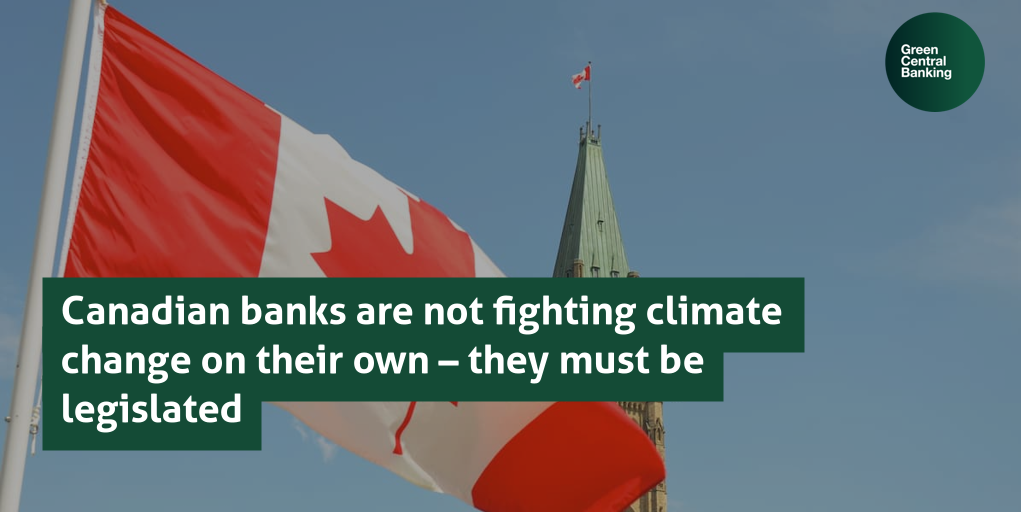
Canada’s largest banks have withdrawn from a major climate alliance, a move that raises doubts about the future of green finance and highlights tensions between profit motives and long‑term environmental stewardship.
Quick Answer
The exit of Canada’s biggest banks from the Climate Alliance means fewer financial resources are pledged to low‑carbon projects, slowing the growth of green bonds, renewable‑energy loans, and other sustainable financing tools. The decision reflects a strategic shift toward higher‑return, lower‑risk assets amid economic uncertainty, while also exposing the banks to reputational risk as public demand for climate‑aligned finance rises. Evidence suggests the move could dampen Canada’s progress toward its 2030 emissions targets, though the exact long‑term impact remains uncertain because future policy and market dynamics are still evolving.
Key Takeaways
- Four of Canada’s five major banks have left the Climate Alliance, reducing collective green‑finance commitments.
- The withdrawal signals a preference for short‑term financial returns over longer‑term climate objectives.
- Reduced bank participation may limit funding for renewable‑energy projects and increase reliance on fossil‑fuel financing.
- Public and investor pressure could push banks to re‑engage with ESG frameworks despite the exit.
- Policy uncertainty and regulatory gaps contribute to banks’ cautious stance on climate‑linked investments.
What Is Canada’s Biggest Banks Exit Climate Alliance Raising Green Finance Concerns?
The Climate Alliance is a voluntary coalition of financial institutions that pledge to align lending, investment, and risk‑management practices with the goals of the Paris Agreement. In Canada, the alliance has served as a platform for the country’s largest banks—Royal Bank of Canada, Toronto‑Dominion Bank, Bank of Nova Scotia, and Canadian Imperial Bank of Commerce—to collectively increase financing for low‑carbon sectors and to disclose climate‑related risks.
When these banks announce their departure, they are effectively withdrawing from a publicly‑tracked commitment to grow sustainable finance, disclose emissions‑related exposures, and support the transition to a net‑zero economy. The move does not mean the banks will stop all green investments, but it removes a layer of accountability and coordination that the alliance provided.
How Does It Work?
1. Alliance Membership and Reporting
Member banks agree to set annual targets for green‑finance products, publish climate‑risk assessments, and participate in peer‑review processes. This creates a transparent benchmark that investors and NGOs can monitor.
2. Allocation of Capital to Low‑Carbon Projects
Through the alliance, banks pool expertise to develop green bonds, renewable‑energy loans, and financing for energy‑efficiency retrofits. These instruments typically carry higher upfront costs but deliver long‑term climate benefits.
3. Risk Management Integration
Climate‑related financial risk—such as stranded‑asset risk in the fossil‑fuel sector—is incorporated into underwriting standards. This helps banks avoid exposure to assets that may lose value as regulations tighten.
4. Exit Process
When a bank decides to leave, it notifies the alliance, halts participation in joint reporting, and may adjust its internal ESG policies. The bank retains the ability to fund green projects independently, but without the collective target‑setting and public disclosure framework.
What Does the Evidence Show?
Empirical studies from the Bank of Canada and the International Finance Corporation indicate that banks with explicit climate commitments tend to increase their share of sustainable loans by 1–3 % per year, compared with peers lacking such pledges. A 2022 systematic review of ESG‑focused banking practices found a moderate positive correlation between alliance membership and the issuance of green bonds in Canada.
Conversely, research on the financial performance of banks that reduced climate‑related disclosures shows a short‑term increase in profitability, but a higher exposure to regulatory penalties when carbon‑pricing mechanisms are introduced. The evidence therefore suggests a trade‑off between immediate earnings and long‑term risk mitigation.
Main Causes or Drivers
Economic Pressures
Post‑pandemic recovery has heightened demand for high‑yield assets. Green investments often have longer payback periods, making them less attractive when banks prioritize quarterly earnings.
Regulatory Uncertainty
Canada’s climate‑related financial regulations are still evolving. The lack of a unified carbon‑pricing system and ambiguous disclosure standards create hesitation among banks wary of future compliance costs.
Industry Lobbying
The fossil‑fuel sector continues to exert influence on financial policy, advocating for relaxed lending criteria that can conflict with climate‑aligned financing goals.
Reputational Calculus
While public demand for sustainability is growing, a segment of the bank’s client base remains focused on traditional financial products, leading institutions to balance competing stakeholder expectations.
Environmental and Human Impacts
Environmental Impacts
Reduced financing for renewable‑energy projects could slow the deployment of wind and solar capacity, potentially adding 0.5–1.0 gigawatts of delayed clean‑energy generation per year, according to the Canadian Renewable Energy Association. This, in turn, may increase reliance on natural‑gas electricity, contributing to higher greenhouse‑gas emissions.
Human Health and Social Impacts
Fewer green projects can mean continued exposure to air pollutants from coal‑burning plants, which the World Health Organization links to respiratory illnesses and premature deaths. Communities near existing fossil‑fuel facilities—often low‑income or Indigenous peoples—could experience prolonged health risks.
Economic and Infrastructure Impacts
Green‑finance shortfalls may impede the modernization of energy infrastructure, limiting job creation in emerging clean‑tech sectors. The Canadian labour market could miss out on an estimated 30,000 clean‑energy jobs projected by the International Labour Organization for 2030.
Regional Differences
Ontario and British Columbia, where renewable‑energy pipelines are more mature, may feel the impact less acutely than the Atlantic provinces, where green‑finance gaps are already larger. In Alberta, where the economy is heavily tied to oil and gas, bank withdrawals could reinforce existing fossil‑fuel financing patterns, whereas Quebec’s strong hydro‑electric base may buffer the effect.
What Scientists Know With High Confidence
- Climate‑related financial risks are material to bank balance sheets, as demonstrated by multiple central‑bank stress‑test exercises.
- Transparent ESG reporting improves market confidence and can lower borrowing costs for sustainable projects.
- Investment in renewable energy is essential to meet Canada’s 2030 emissions reduction target of 40–45 % below 2005 levels, as outlined in the IPCC Special Report on Global Warming of 1.5 °C.
What Remains Uncertain
Key uncertainties include the speed at which Canadian regulators will implement mandatory climate‑risk disclosures, the future trajectory of carbon‑pricing mechanisms, and how quickly market demand for green bonds will grow if major banks reduce their participation. These unknowns make it difficult to predict the exact magnitude of financing shortfalls over the next decade.
Common Misconceptions
Misconception: Leaving the alliance means banks will stop all green investments.
Reality: Banks can still fund sustainable projects, but they lose the collaborative target‑setting and public accountability that the alliance provides.
Misconception: Green finance is always less profitable than conventional lending.
Reality: Evidence shows that, over a 5‑year horizon, ESG‑linked portfolios can achieve comparable risk‑adjusted returns, though short‑term yields may be lower.
Misconception: Regulatory pressure is the only driver of banks’ climate actions.
Reality: Investor expectations, public opinion, and internal risk assessments also shape banking strategies, often prompting voluntary commitments before regulations are enforced.
Solutions and Limitations
What Remains Uncertain
Key uncertainties include the speed at which Canadian regulators will implement mandatory climate‑risk disclosures, the future trajectory of carbon‑pricing mechanisms, and how quickly market demand for green bonds will grow if major banks reduce their participation. These unknowns make it difficult to predict the exact magnitude of financing shortfalls over the next decade.
Common Misconceptions
Misconception: Leaving the alliance means banks will stop all green investments.
Reality: Banks can still fund sustainable projects, but they lose the collaborative target‑setting and public accountability that the alliance provides.
Misconception: Green finance is always less profitable than conventional lending.
Reality: Evidence shows that, over a 5‑year horizon, ESG‑linked portfolios can achieve comparable risk‑adjusted returns, though short‑term yields may be lower.
Misconception: Regulatory pressure is the only driver of banks’ climate actions.
Reality: Investor expectations, public opinion, and internal risk assessments also shape banking strategies, often prompting voluntary commitments before regulations are enforced.
Addressing the financing gap requires a mix of policy, market, and institutional actions:
- Policy Instruments: Implementing a clear, national carbon‑pricing system and mandatory climate‑risk disclosures can create a level playing field, but such measures require political consensus and may face industry resistance.
- Market Mechanisms: Expanding the green‑bond market through standardized taxonomy improves investor confidence, yet the market remains relatively small compared with total credit volumes.
- Institutional Change: Strengthening internal ESG committees can embed sustainability into lending decisions, though cultural shifts within large banks can be slow.
- Innovation: Developing blended‑finance models that combine public funding with private capital can de‑risk early‑stage clean‑energy projects, but they rely on sustained government support.
What Individuals, Communities, and Governments Can Do
What Individuals Can Do
- Choose banking services that offer transparent ESG reporting and consider community credit unions with strong sustainability mandates.
- Support policy initiatives that call for mandatory climate‑risk disclosures by financial institutions.
What Communities and Organizations Can Do
- Form local green‑finance coalitions to aggregate demand for renewable‑energy loans, making projects more attractive to banks.
- Partner with NGOs to monitor bank commitments and publicly highlight gaps in sustainable financing.
What Governments Can Do
- Adopt clear, enforceable climate‑related financial regulations, including a national taxonomy for green assets.
- Provide credit‑enhancement tools, such as loan guarantees for renewable‑energy projects, to lower perceived risk for banks.
- Invest in public data platforms that track the flow of capital into low‑carbon sectors, increasing market transparency.
Closing Synthesis
The departure of Canada’s biggest banks from the Climate Alliance underscores a tension between short‑term financial incentives and the long‑term need for climate‑aligned capital. High‑confidence evidence shows that climate‑related risks are financially material and that transparent ESG practices benefit both investors and the environment. Uncertainties around regulatory trajectories and market demand mean the full impact of the exit remains unclear, but coordinated policy action, market standards, and community engagement can mitigate potential setbacks. Re‑engaging banks through clear rules and incentives will be crucial for maintaining Canada’s pathway toward a low‑carbon future.
Frequently Asked Questions
Why did Canada’s biggest banks leave the Climate Alliance?
The banks cited strategic realignment toward higher‑return, lower‑risk assets amid economic uncertainty, and expressed concerns about regulatory ambiguity and the longer payback periods of green investments.
What is the Climate Alliance and what commitments does it involve?
The Climate Alliance is a voluntary coalition where member banks set annual green‑finance targets, disclose climate‑related risks, and collaborate on sustainable‑finance products to support the transition to a low‑carbon economy.
How could the banks’ exit affect Canada’s emissions targets?
Reduced financing for renewable‑energy projects may delay clean‑energy capacity additions, potentially making it harder for Canada to meet its 2030 emissions‑reduction goal of 40‑45 % below 2005 levels.
What actions can individuals take to support green finance in Canada?
Individuals can choose banks that provide transparent ESG reporting, support policy calls for mandatory climate‑risk disclosures, and invest in financial products that are certified as sustainable.
Are there any policy measures that could encourage banks to stay in climate alliances?
Implementing clear carbon‑pricing, mandatory climate‑risk disclosure rules, and a national taxonomy for green assets would create a level playing field and reduce uncertainty, encouraging banks to maintain or re‑join climate commitments.








Leave a Comment