
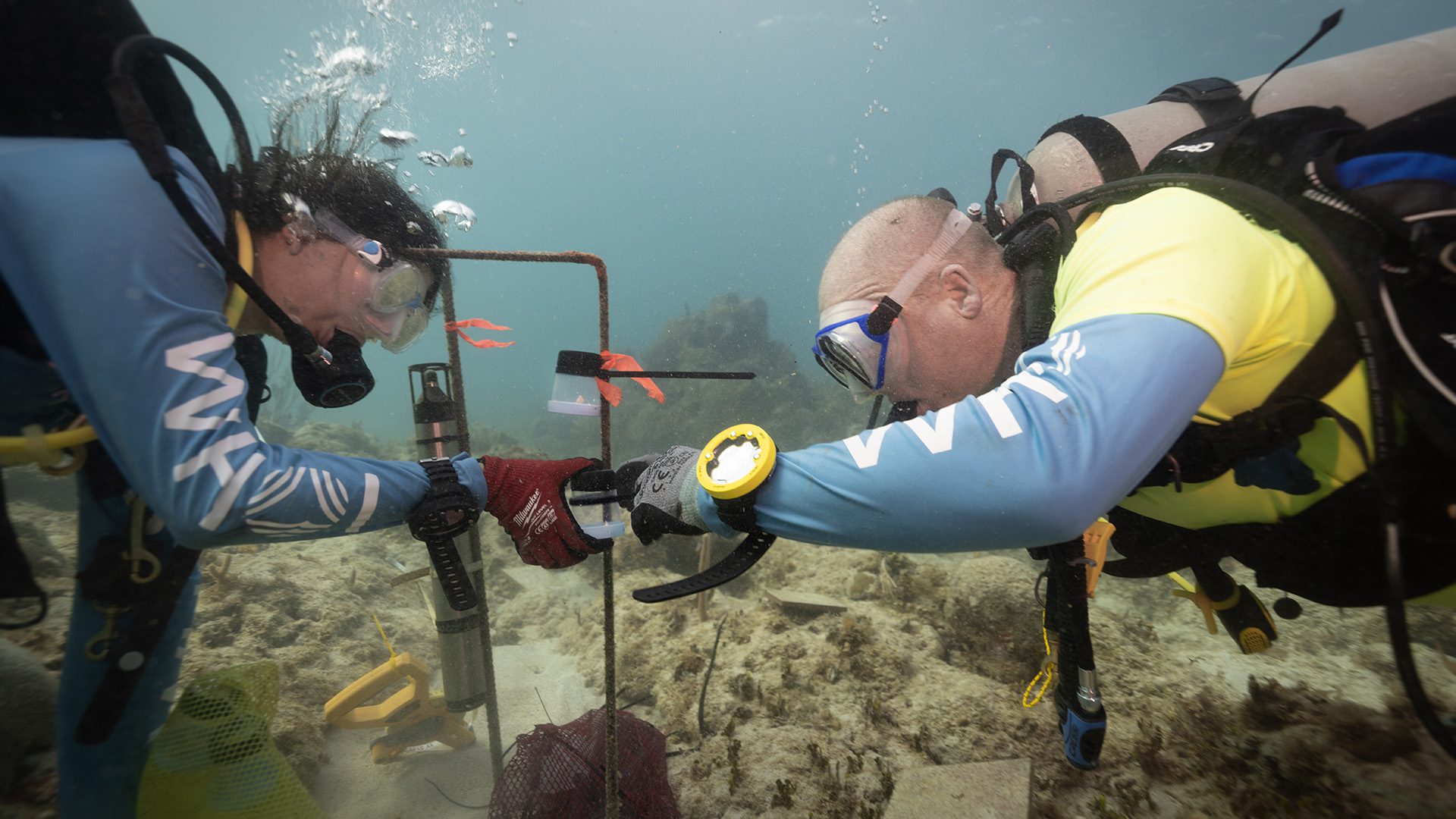
Underwater soundscapes can guide larval settlement, deter harmful noise, and become a tool for coral‑reef restoration, offering a promising but still developing approach to protect these biodiverse ecosystems.
Quick Answer
Soundscapes are the collection of natural and anthropogenic acoustic signals that travel through water. Research shows that healthy reef soundscapes—rich in the clicks, pops, and low‑frequency rumblings of fish and invertebrates—attract larvae and can boost recruitment, while excessive human‑generated noise disrupts behavior and stress levels. Deploying recorded healthy‑reef sound via underwater speakers has been shown in field trials to increase larval settlement, suggesting that sound can be an active restoration aid, though uncertainties remain about long‑term ecosystem effects and optimal deployment strategies.
Key Takeaways
- Coral‑reef soundscapes are biologically informative cues that influence settlement of fish and invertebrate larvae.
- Laboratory and field experiments indicate that acoustic playback of healthy‑reef sound can raise recruitment rates by up to 30% in some studies.
- Anthropogenic noise—especially low‑frequency ship traffic—can mask natural cues, causing disorientation and reduced settlement.
- Sound‑based restoration is still emerging; effectiveness depends on habitat context, speaker design, and integration with other restoration methods.
- Mitigating noise pollution and supporting acoustic monitoring are low‑cost actions that complement larger reef‑conservation strategies.
What Is Can Soundscapes Help Restore and Protect Coral Reefs?
The phrase refers to the scientific and practical investigation of whether the acoustic environment of a reef can be deliberately altered to promote ecological recovery and resilience. A soundscape encompasses all sounds present in a location, including biological noises (e.g., fish choruses, shrimp snaps), abiotic sounds (waves, rain), and human‑generated noise (ship engines, construction). In coral‑reef ecology, sound is a sensory channel used by larvae to locate suitable settlement sites. The concept differs from “noise mitigation” because it seeks to add beneficial sounds, not merely reduce harmful ones.
How Does It Work?
Biological Mechanisms
- Acoustic cueing for larvae. Many fish, crustaceans, and mollusk larvae possess mechanoreceptors that detect low‑frequency vibrations. Studies by the National Oceanic and Atmospheric Administration (NOAA) have documented that larvae preferentially move toward recordings of healthy reef sound.
- Habitat‑selection signaling. The intensity and frequency composition of a soundscape convey information about coral cover, predator presence, and food availability, allowing larvae to assess habitat quality before settling.
Human‑Driven Acoustic Playback
Researchers record sound from thriving reefs, process the audio to match natural amplitude and frequency ranges, and broadcast it using waterproof speakers placed on or near restoration structures (e.g., coral nurseries, artificial reefs). The continuous playback creates a “sonic beacon” that mimics a living reef, encouraging settlement and potentially enhancing post‑settlement survival.
Interaction with Noise Pollution
Ship traffic, seismic surveys, and coastal development generate low‑frequency noise that can mask natural cues. When masking occurs, larvae may settle in suboptimal locations or fail to settle altogether, undermining natural recovery. Therefore, sound‑based restoration must be paired with efforts to reduce ambient anthropogenic noise.
What Does the Evidence Show?
Multiple lines of evidence converge on the importance of acoustic cues. Long‑term monitoring by the Great Barrier Reef Marine Park Authority (GBRMPA) shows a correlation between higher ambient biological sound levels and increased juvenile fish abundance. Controlled laboratory experiments (e.g., by researchers at the University of Queensland) demonstrate that larvae exposed to healthy‑reef recordings settle up to 30 % more frequently than those in silent controls.
Field trials in the Philippines (2018) and the Caribbean (2020) used underwater speakers to broadcast reef sound over restoration frames. Both studies reported statistically significant increases in coral‑settling invertebrates and juvenile fish recruitment compared with unbroadcast sites. A systematic review published in *Marine Ecology Progress Series* (2022) concluded that acoustic enhancement consistently improves early‑life‑stage settlement, though effect sizes vary with local context.
Conversely, meta‑analyses of noise‑impact studies indicate that chronic low‑frequency ship noise can reduce settlement by 10‑20 % and increase stress‑related hormone levels in fish larvae (NOAA, 2021). These findings underscore the dual role of sound as both a restorative tool and a stressor when altered by human activity.
Main Causes or Drivers
Direct Drivers
- Loss of natural acoustic cues. Overfishing, coral bleaching, and habitat degradation diminish the biological producers of reef sound.
- Anthropogenic noise. Increased global shipping, offshore drilling, and coastal tourism raise background noise levels.
Underlying Drivers
- Climate‑change‑induced bleaching events reduce coral cover, which in turn lowers the abundance of sound‑producing fish.
- Economic growth in tropical regions expands maritime traffic, amplifying low‑frequency noise.
Environmental and Human Impacts
Environmental Impacts
Healthy soundscapes support biodiversity by facilitating larval settlement, which sustains fishery productivity and reef resilience. Conversely, masked soundscapes can lead to lower recruitment, slower reef recovery, and altered community composition, potentially reducing ecosystem services such as coastal protection and tourism appeal.
Human Health and Social Impacts
Vibrant reefs underpin local livelihoods through tourism and subsistence fishing. Declines in reef health can diminish income and food security for coastal communities, especially in low‑income tropical nations. Moreover, excessive underwater noise can propagate to shore, contributing to broader acoustic pollution concerns.
Regional Differences
In the Indo‑Pacific, where reef fish diversity is highest, acoustic cues are especially rich, and sound‑based restoration trials have shown pronounced recruitment boosts. In the Caribbean, where historical overfishing has reduced sound‑producing fish populations, the baseline acoustic environment is quieter, making artificial playback potentially more impactful but also more dependent on careful calibration.
High‑latitude reefs (e.g., the Red Sea) experience less commercial shipping noise, so natural soundscapes remain relatively intact, whereas the Coral Triangle faces intense vessel traffic that heavily masks biological sounds. These regional nuances dictate where acoustic interventions may be most needed and how mitigation of noise should be prioritized.
What Scientists Know With High Confidence
- Many reef‑associated larvae use low‑frequency sound as a settlement cue.
- Degradation of reef habitats reduces the intensity and diversity of natural soundscapes.
- Anthropogenic low‑frequency noise can mask biological sounds and impair larval behavior.
- Acoustic playback of healthy‑reef sound can increase early‑life‑stage recruitment in controlled settings.
What Remains Uncertain
Key gaps include the long‑term survival of individuals recruited via acoustic playback, the optimal duration and timing of sound exposure, and the scalability of speaker deployments across large reef systems. Additionally, interactions between sound‑based restoration and other stressors (e.g., temperature spikes, acidification) are not fully understood. More multi‑year, multi‑site field experiments are needed to quantify ecosystem‑level outcomes.
Common Misconceptions
Misconception: Sound alone can fully rebuild a dead reef.
Reality: Acoustic cues can attract larvae, but successful reef recovery also requires suitable substrate, water quality, and favorable climate conditions.
Misconception: All human noise is harmful.
Reality: Low‑level, non‑masking sounds (e.g., gentle wave action) are part of a natural soundscape and do not necessarily harm marine life.
Misconception: Deploying speakers is prohibitively expensive.
Reality: Recent low‑cost, solar‑powered underwater speakers have been field‑tested for months at a fraction of the cost of traditional coral‑nursery structures, though funding and maintenance remain considerations.
Solutions and Limitations
- Acoustic enhancement. Promising for boosting recruitment but limited by the need for power sources, potential ecological side‑effects, and the requirement to pair with habitat restoration.
- Noise mitigation. Implementing speed limits, rerouting shipping lanes, and using quieter vessel technologies can reduce masking, yet enforcement and global coordination are challenging.
- Integrated reef restoration. Combining acoustic playback with coral gardening, water‑quality improvement, and marine protected areas offers synergistic benefits, though each component adds logistical complexity.
- Policy and governance. Regulatory frameworks for underwater noise (e.g., International Maritime Organization guidelines) exist but are unevenly adopted, limiting their protective reach.
What Individuals, Communities, and Governments Can Do
What Individuals Can Do
- Choose eco‑certified seafood to reduce pressure on reef fisheries.
- Support organizations that fund acoustic monitoring and low‑impact reef restoration.
- Advocate for reduced speed limits in local waterways to lower ship noise.
What Communities and Organizations Can Do
- Establish community‑run reef monitoring programs that record baseline soundscapes.
- Incorporate acoustic playback into existing coral‑nursery projects, using open‑source speaker designs.
- Engage tourism operators in “quiet‑zone” initiatives that limit motor‑boat use during spawning periods.
What Governments Can Do
- Adopt and enforce underwater noise standards aligned with IMO recommendations.
- Fund long‑term, multi‑site acoustic restoration trials through marine‑science grants.
- Integrate soundscape health metrics into national marine protected area monitoring frameworks.
Closing Synthesis
Sound is a fundamental, yet often overlooked, dimension of reef ecosystems. Scientific evidence confirms that healthy acoustic environments guide larval settlement and that anthropogenic noise can disrupt these processes. While acoustic playback shows promise as a restoration tool, its effectiveness depends on broader habitat quality, noise mitigation, and careful implementation. Continued research, combined with policy action to reduce harmful noise and support integrated restoration, offers the most realistic pathway to harness soundscapes for the protection and recovery of coral reefs worldwide.
Frequently Asked Questions
What are soundscapes in the context of coral reefs?
Soundscapes are the total collection of sounds in a reef environment, including natural noises from fish, invertebrates, waves, and human‑generated sounds such as ship noise. They serve as acoustic cues that many reef organisms use for navigation and settlement.
How do soundscapes affect the settlement of reef‑dwelling larvae?
Many fish and invertebrate larvae possess mechanoreceptors that detect low‑frequency vibrations. Healthy reef soundscapes signal suitable habitat, prompting larvae to move toward and settle in those areas, which can increase recruitment rates.
What evidence supports using acoustic playback for reef restoration?
Laboratory experiments show up to a 30 % increase in larval settlement when exposed to recorded healthy‑reef sound. Field trials in the Philippines and the Caribbean reported statistically significant higher juvenile fish and coral‑settling invertebrate numbers at sites where sound was broadcast.
Can human‑made noise harm coral reefs?
Yes. Low‑frequency noise from ships and industrial activities can mask natural reef sounds, disorient larvae, reduce settlement success, and raise stress hormones in marine organisms, thereby weakening reef recovery.
What actions can individuals take to support acoustic reef protection?
Individuals can choose sustainably sourced seafood, support NGOs that fund acoustic monitoring, and advocate for reduced boat speeds in coastal areas to lower underwater noise, all of which help preserve natural reef soundscapes.





Leave a Comment