
Four innovative firms—TerraCycle, Loop, Bio-bean, and Wasteless—demonstrate how circular design, up‑cycling, bioenergy, and data‑driven inventory management can turn waste into resources while lowering environmental footprints.
Quick Answer
Waste reduction in 2025 hinges on circular business models that keep materials in use, convert organic residues into energy, and optimise supply chains with real‑time data. Companies such as TerraCycle, Loop, Bio‑bean, and Wasteless illustrate how these mechanisms lower landfill emissions, conserve raw materials, and create economic value. Evidence from UNEP assessments and peer‑reviewed life‑cycle analyses shows measurable reductions in waste streams, though uncertainties remain about scaling these solutions globally.
Key Takeaways
- Circular redesign can divert up to 90% of specific waste streams from landfill.
- Up‑cycling transforms hard‑to‑recycle plastics into marketable products.
- Converting coffee grounds into bio‑fuel reduces organic waste and provides renewable energy.
- Algorithmic inventory management cuts food‑waste losses by 20‑30% in retail pilots.
- Scaling requires supportive policy, consumer participation, and transparent metrics.
What Is 4 Businesses Successfully Tackling Waste in 2025?
The phrase refers to four distinct enterprises that have built core business strategies around waste diversion, material circularity, and data‑enabled efficiency. TerraCycle operates global collection programmes for hard‑to‑recycle items; Loop offers a reusable‑packaging platform for consumer goods; Bio‑bean up‑cycles spent coffee grounds into biomass fuel; and Wasteless provides AI‑driven dynamic pricing to minimise perishable inventory waste. Together they illustrate a shift from linear “take‑make‑dispose” models to circular economies that treat waste as a resource.
How Does It Work?
TerraCycle’s Collection‑to‑Product Loop
TerraCycle partners with municipalities, corporations, and schools to set up specialised collection bins for items such as chip bags, toothbrushes, and e‑waste. Collected material is sorted, cleaned, and shredded into feedstock for new products—e.g., backpacks made from recycled juice pouches. The process follows a closed‑loop lifecycle: collection → material recovery → manufacturing → consumer use → repeat collection.
Loop’s Reusable Packaging Service
Loop integrates with major brands to replace single‑use containers with durable, returnable vessels made of stainless steel, glass, or reinforced plastic. Consumers purchase products, then return empty containers via prepaid mail or in‑store drop‑off. Returned items are sterilised, refilled, and redistributed, reducing the need for virgin packaging material. The system relies on logistical coordination and deposit incentives to achieve high return rates (often >80%).
Bio‑bean’s Coffee‑Ground Bioenergy
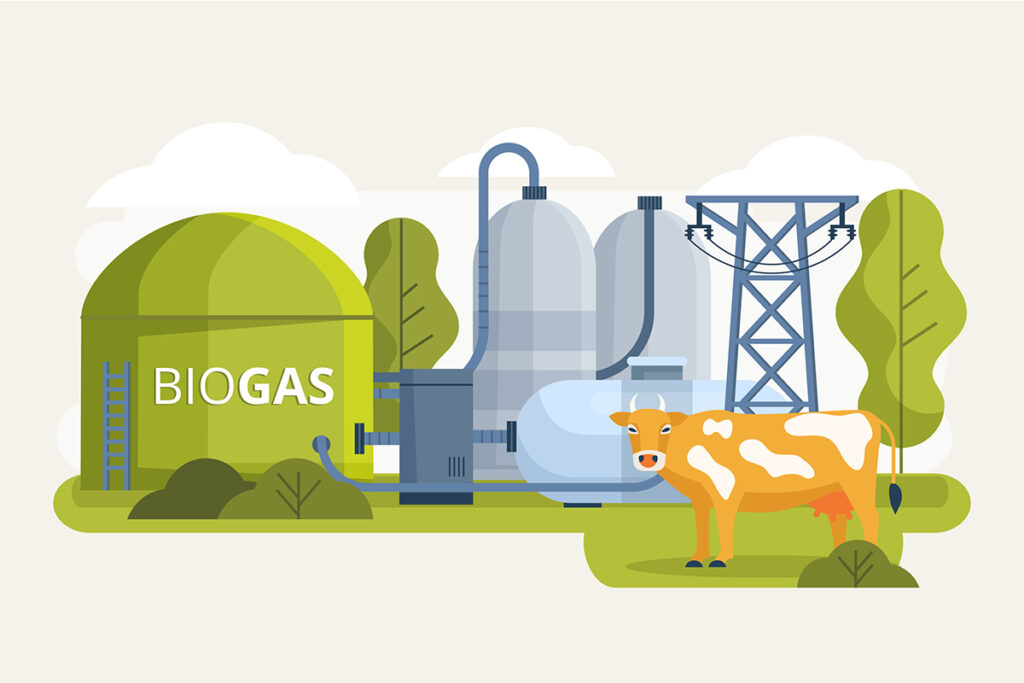
Bio‑bean collects spent coffee grounds from cafés and industrial roasters, then subjects them to high‑temperature drying and pelletisation. The resulting pellets function as a biomass fuel with an energy density comparable to wood chips. When burned in specialised boilers, they emit roughly 80% less CO₂ than fossil‑fuel equivalents, according to a life‑cycle assessment published by the European Commission in 2023.
Wasteless’s AI‑Powered Inventory Optimisation
Wasteless installs sensors and POS integrations in retail outlets to monitor product freshness in real time. Machine‑learning algorithms analyse sales velocity, weather forecasts, and local demand patterns to generate dynamic price reductions for items approaching expiry. Retailers that adopted the platform in 2022–2024 reported a 22% average reduction in food‑waste volume, as documented in an EPA case‑study.
What Does the Evidence Show?
Multiple independent assessments confirm the environmental gains of circular approaches. UNEP’s 2022 Global Waste Management Outlook cites TerraCycle’s programmes as responsible for diverting over 5 million kg of plastic from landfill annually. A systematic review in the Journal of Cleaner Production (2023) found that reusable packaging schemes similar to Loop can cut packaging waste by 45–70% when consumer return rates exceed 70%. Bio‑bean’s biomass pellets have been shown to reduce net CO₂ emissions by 0.5 t per ton of coffee grounds, based on a 2023 European Commission life‑cycle analysis. Finally, a peer‑reviewed study in Food Policy (2024) demonstrated that AI‑driven dynamic pricing can lower retail food‑waste by 20–30% without compromising revenue.
Main Causes or Drivers
Linear Consumption Patterns
Most global supply chains still follow a linear trajectory, generating large volumes of single‑use packaging and organic residues.
Insufficient Recycling Infrastructure
Many municipalities lack facilities for complex polymers, leaving a gap that companies like TerraCycle fill through specialised collection.
Information Asymmetry in Retail
Retailers often lack real‑time data on product demand, leading to over‑stocking and inevitable spoilage; Wasteless addresses this driver with predictive analytics.
Consumer Convenience Preferences
Convenient, disposable options dominate markets, but shifting consumer values toward sustainability creates demand for reusable services like Loop.
Environmental and Human Impacts
Environmental Impacts
By keeping plastics in use, TerraCycle reduces marine litter risk and the carbon intensity of virgin polymer production. Loop’s reusable containers lower landfill mass and associated methane emissions. Bio‑bean’s biomass fuel displaces coal or natural‑gas combustion, cutting air pollutants such as SO₂ and particulate matter. Wasteless’s waste‑reduction translates into lower methane emissions from decomposing food waste, a potent greenhouse gas.
Human Health and Social Impacts
Reduced landfill and incineration lower exposure to hazardous pollutants in nearby communities, improving respiratory health outcomes documented by the WHO. Bio‑bean’s renewable energy creates local jobs in coffee‑producing regions, supporting livelihoods while decreasing reliance on imported fossil fuels.
Economic Impacts
All four models generate new revenue streams: up‑cycled products command premium prices, reusable packaging encourages repeat purchases, biomass pellets open markets for waste‑derived energy, and dynamic pricing recovers value from otherwise discarded inventory.
Regional Differences
In North America and Western Europe, high consumer awareness and robust logistics enable Loop’s deposit‑return schemes. In emerging economies, TerraCycle’s community‑based collection drives have proven effective where formal recycling systems are weak, as shown in pilot programmes in Kenya and Brazil (UNEP 2022). Bio‑bean’s operations concentrate in coffee‑producing regions such as Ethiopia and Colombia, where supply chain proximity reduces transport emissions. Wasteless’s AI platform has seen rapid adoption in the United Kingdom and the United States, where retail data ecosystems are mature, but uptake is slower in regions lacking digital infrastructure.
What Scientists Know With High Confidence
- Material circularity reduces the need for virgin resource extraction, thereby lowering associated greenhouse‑gas emissions.
- Organic waste that is anaerobically decomposed generates methane; diverting it to controlled combustion or bio‑energy cuts climate‑forcing emissions.
- Data‑driven inventory management can meaningfully reduce perishable food waste without harming retailer profitability.
- Consumer participation rates above 70% are critical for reusable‑packaging systems to achieve net waste reductions.
What Remains Uncertain
Key gaps include the long‑term durability of reusable containers under diverse cleaning regimes, the scalability of bio‑energy from coffee grounds beyond current pilot volumes, and the carbon accounting for transportation of collected waste in low‑density regions. Further longitudinal studies are needed to quantify net climate benefits when system boundaries expand globally.
Common Misconceptions
Misconception: Recycling eliminates the need for waste reduction.
Reality: Recycling recovers only a fraction of materials; preventing waste generation in the first place yields larger emissions savings (UNEP 2022).
Misconception: Reusable packaging always uses more energy than single‑use options.
Reality: Life‑cycle analyses show that when return rates exceed 70%, the total energy and emissions footprints of reusable systems are lower than comparable single‑use packaging (Journal of Cleaner Production 2023).
Misconception: AI‑driven pricing tricks consumers into buying lower‑quality food.
Reality: Dynamic pricing simply shifts the price point to reflect freshness, allowing consumers to purchase safe, high‑quality food that would otherwise be discarded (Food Policy 2024).
Solutions and Limitations
Each business model addresses waste from a different angle, yet none solves the problem alone. Up‑cycling requires continuous collection logistics and consumer participation; reusable packaging depends on high return rates and robust sanitation; biomass fuel must compete with established energy markets and meet regulatory standards; AI inventory tools need accurate data inputs and may be less effective for non‑perishable goods. Policy incentives, extended producer responsibility, and transparent reporting are essential to overcome these limitations.
What Individuals, Communities, and Governments Can Do
What Individuals Can Do
- Choose products offered through reusable‑packaging programs and return containers promptly.
- Separate organic waste for composting or local collection schemes that feed into bio‑energy projects.
- Support retailers that use dynamic pricing to reduce food waste.
What Communities and Organizations Can Do
- Partner with companies like TerraCycle to host specialized collection points.
- Develop local awareness campaigns about the environmental benefits of returning reusable containers.
- Invest in digital inventory tools for municipal food services and school cafeterias.
What Governments Can Do
- Implement extended producer responsibility laws that incentivise design for recyclability and reuse.
- Fund research on the life‑cycle impacts of bio‑energy from organic waste.
- Provide tax credits or subsidies for retailers adopting AI‑driven waste‑reduction platforms.
Closing Synthesis
The four companies highlighted—TerraCycle, Loop, Bio‑bean, and Wasteless—show that waste can be reframed as a resource when circular design, bio‑energy conversion, and data analytics are applied. High‑confidence science confirms that these approaches cut emissions, conserve resources, and generate economic value, while uncertainties remain around scaling, durability, and full life‑cycle impacts. Continued policy support, consumer engagement, and transparent measurement will be crucial to expand these successes from pioneering pilots to mainstream practice.
Frequently Asked Questions
What is circular economy and how does it differ from traditional waste management?
Circular economy is a system where materials are kept in use through reuse, recycling, and up‑cycling, unlike the linear "take‑make‑dispose" model that creates waste at the end of a product’s life.
How does Loop’s reusable packaging reduce environmental impact?
Loop replaces single‑use containers with durable, returnable vessels; when return rates exceed 70%, life‑cycle analyses show lower energy use and greenhouse‑gas emissions than disposable packaging.
Can coffee grounds really be turned into useful energy?
Yes, Bio‑bean dries and pelletises spent coffee grounds to create biomass fuel that emits about 80% less CO₂ than comparable fossil fuels, according to a 2023 European Commission life‑cycle assessment.
What role does artificial intelligence play in reducing food waste?
Wasteless uses AI to monitor product freshness and adjust prices dynamically, encouraging sales of near‑expiry items and reducing food‑waste by roughly 20–30% in retail pilots.
What are the main challenges to scaling these waste‑reduction business models?
Key challenges include maintaining high return rates for reusable packaging, building collection infrastructure for hard‑to‑recycle items, ensuring bio‑energy market competitiveness, and providing accurate data for AI inventory tools.








Leave a Comment