
Thirteen memorable quotes about deforestation and climate action illustrate why protecting forests matters, how forest loss drives climate change, and what evidence‑based solutions can guide individuals and policymakers.
Quick Answer
Deforestation is the permanent removal of forest cover, primarily for agriculture, timber, and infrastructure. When trees are cut, carbon stored in biomass returns to the atmosphere as CO₂, weakening the planet’s carbon sink and accelerating climate change. Robust evidence from the Intergovernmental Panel on Climate Change (IPCC) and the Food and Agriculture Organization shows that forest loss contributes roughly 10 % of global greenhouse‑gas emissions. The most pressing implication is that continued deforestation undermines biodiversity, disrupts water cycles, and jeopardizes livelihoods, especially in tropical regions. Uncertainty remains around exact future rates because future land‑use policies and economic pressures are difficult to predict.
Key Takeaways
- Forests store about 289 gigatonnes of carbon; losing them adds a significant share of global CO₂ emissions.
- The primary drivers are agricultural expansion, commercial logging, and infrastructure development.
- Deforestation impacts climate, water quality, soil health, and human wellbeing, with the greatest burden on low‑income and Indigenous communities.
- High‑confidence science supports protecting existing forests, restoring degraded lands, and improving forest governance as effective climate solutions.
- Uncertainties include future commodity demand, the net climate benefit of some restoration projects, and the exact socioeconomic outcomes of policy changes.
What Is 13 Inspiring Quotes About Deforestation and Climate Action?
The phrase refers to a curated collection of thirteen statements from historical and contemporary figures that highlight the moral, ecological, and economic reasons to halt forest loss. The quotes serve as entry points for public engagement, linking cultural wisdom to scientific understanding. They differ from generic slogans because each originates from a recognized voice—such as Mahatma Gandhi, John Muir, or the Dalai Lama—and therefore carries credibility that can motivate policy discussions and grassroots action.
How Does It Work?
Physical and Biological Processes
When a tree dies or is felled, the carbon it stored over decades is released as CO₂ through decomposition or combustion. Forests also regulate local climate by transpiring water, creating cloud formation, and reflecting sunlight (albedo effect). Removing canopy cover reduces these cooling mechanisms, leading to higher surface temperatures and altered precipitation patterns.
Human‑System Interactions
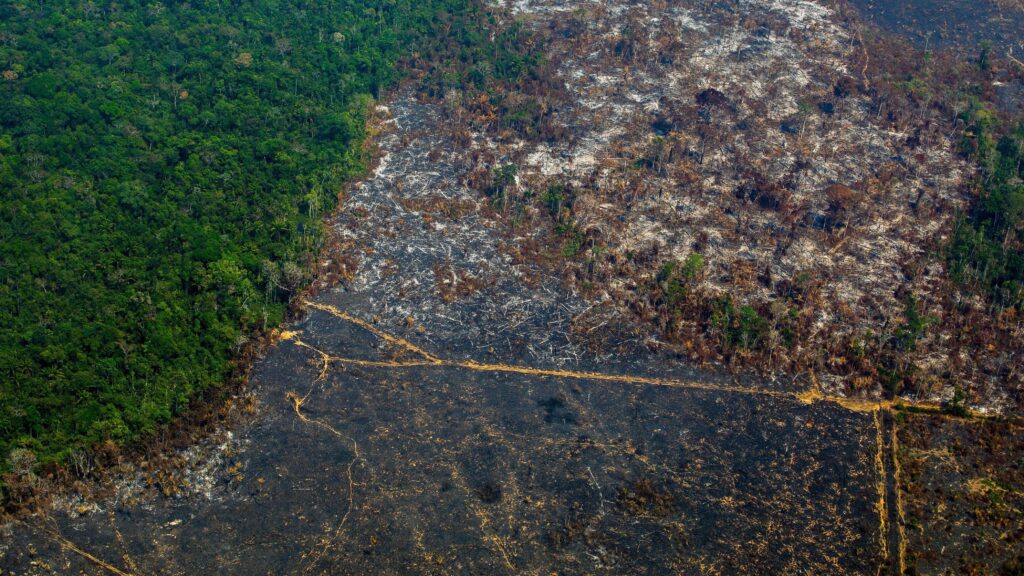
Agricultural expansion clears land for crops like soy, palm oil, and cattle pasture. Commercial logging extracts timber for construction and paper. Infrastructure projects (roads, mines) open remote forests to further exploitation. These activities are driven by market demand, population growth, and sometimes weak governance.
Feedback Loops
Deforestation can trigger a positive feedback loop: loss of trees reduces rainfall, which dries remaining vegetation, making fires more likely. Fires release additional CO₂, further warming the climate and increasing fire risk. This loop is especially evident in the Amazon and Congo basins.
What Does the Evidence Show?
Long‑term satellite monitoring (e.g., NASA’s Landsat series) documents a loss of roughly 10 million hectares of forest per year from 2000 to 2020, with the highest rates in tropical regions (FAO, 2022). Meta‑analyses of field studies confirm that forest conversion to cropland raises regional temperatures by 0.3–0.5 °C and reduces annual precipitation by 5–10 % (Nature Climate Change, 2021). Modeling studies in the IPCC Sixth Assessment Report indicate that halting deforestation by 2030 could avoid up to 0.5 °C of global warming by 2050, assuming rapid reforestation of degraded lands.
Main Causes or Drivers
Direct Causes
- Agricultural expansion (especially soy, palm oil, and cattle)
- Legal and illegal commercial logging
- Infrastructure development (roads, dams, mines)
Underlying Drivers
- Global demand for commodity crops and timber
- Population growth and urbanization in forest‑adjacent regions
- Weak land‑tenure rights for Indigenous peoples
- Insufficient enforcement of environmental regulations
Environmental and Human Impacts
Environmental Impacts
Deforestation reduces biodiversity; the World Wildlife Fund estimates that 68 % of terrestrial species depend on forest habitats. Soil erosion rates can increase tenfold on cleared land, leading to sedimentation of rivers and loss of agricultural productivity. Forest loss also diminishes the Earth’s capacity to sequester carbon, amplifying climate change.
Human Health and Social Impacts
Air quality worsens when fires release particulate matter, increasing respiratory illness in nearby communities. Water cycles are disrupted, lowering watershed reliability for drinking water and irrigation. Indigenous groups, who manage roughly 80 % of the world’s remaining primary forests, often lose cultural sites and livelihoods when forests are cleared.
Economic and Infrastructure Impacts
While short‑term economic gains arise from timber sales and agricultural yields, long‑term costs include loss of ecosystem services valued at trillions of dollars annually (The Economics of Ecosystems and Biodiversity, 2020). Flood risk rises in deforested watersheds, imposing infrastructure repair costs on governments.
Regional Differences
In the Amazon Basin, illegal logging and cattle ranching drive most loss, with Brazil accounting for about 60 % of regional deforestation (FAO, 2022). In Southeast Asia, palm‑oil plantations dominate, especially in Indonesia and Malaysia, where forest cover fell by 5 % between 2000 and 2019. Sub‑Saharan Africa experiences slower but expanding loss due to small‑scale agriculture and fuel‑wood harvesting. Temperate regions such as the United States and Europe have largely stabilized forest cover, though selective logging and wildfires pose emerging threats.
What Scientists Know With High Confidence
- Forests act as a major carbon sink, storing more than a quarter of anthropogenic CO₂.
- Deforestation directly contributes to global greenhouse‑gas emissions, accounting for roughly 10 % of total emissions.
- Loss of forest cover reduces regional precipitation and increases temperature extremes.
- Protecting existing primary forests yields greater climate mitigation benefits than planting new trees on degraded land.
What Remains Uncertain
Key uncertainties involve the net climate impact of large‑scale tree‑planting initiatives, especially when species selection, site suitability, and maintenance are not optimal. Predicting future deforestation rates depends on complex socioeconomic factors such as commodity price trajectories, policy enforcement, and land‑tenure reforms, which are difficult to model precisely. Finally, the extent to which restored forests can fully recover biodiversity and ecosystem services remains an active area of research.
Common Misconceptions
Misconception: Planting trees alone can offset any amount of carbon emissions.
Reality: Tree planting helps sequester carbon, but the magnitude depends on species, climate, and management. Mature forests store far more carbon than newly planted saplings, and some interventions (e.g., monoculture plantations) may provide limited biodiversity benefits.
Misconception: Deforestation only occurs in tropical countries.
Reality: While tropical regions experience the highest absolute loss, temperate and boreal forests also face logging, fire, and pest outbreaks that contribute to global emissions.
Misconception: All logging is illegal and destructive.
Reality: Sustainable forestry practices exist that harvest timber while maintaining ecosystem functions. However, illegal logging remains a major problem in many regions, undermining conservation efforts.
Solutions and Limitations
Effective responses span prevention, mitigation, and restoration. Preventing new forest loss through stricter land‑use planning, enforcement of protected‑area legislation, and secure land tenure for Indigenous peoples has the highest immediate climate benefit. Mitigation includes integrating forest carbon credits into national emissions‑trading schemes, though market mechanisms can be vulnerable to leakage and verification challenges. Restoration—re‑foresting degraded lands—offers long‑term carbon sequestration but requires careful species selection, monitoring, and long‑term funding. Each approach carries trade‑offs: protected areas may limit local economic opportunities; carbon markets need robust accounting; restoration can compete with food production if not strategically placed.
What Individuals, Communities, and Governments Can Do
What Individuals Can Do
- Support certified sustainable timber and paper products (e.g., FSC‑certified).
- Reduce consumption of products linked to deforestation, such as unsustainably sourced palm oil.
- Participate in citizen‑science forest‑monitoring platforms that help track illegal logging.
What Communities and Organizations Can Do
- Develop community‑led forest management plans that combine traditional knowledge with scientific monitoring.
- Advocate for local zoning that prioritizes forest conservation over short‑term extractive projects.
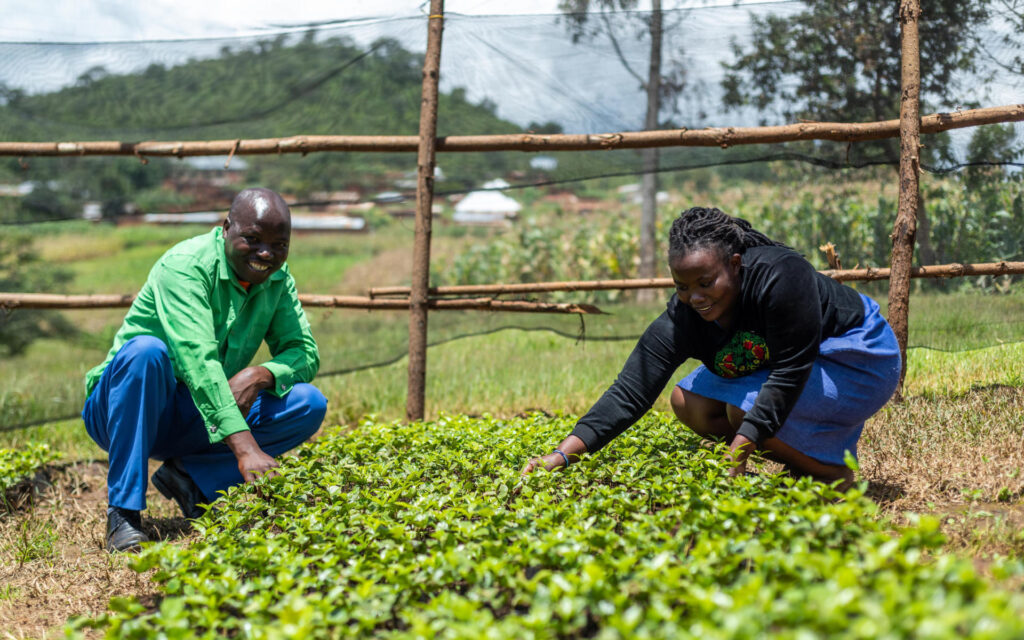
- Partner with NGOs to secure funding for small‑scale reforestation using native species.
What Governments Can Do
- Enforce and expand protected‑area networks, ensuring adequate funding for enforcement agencies.
- Implement transparent land‑tenure reforms that recognize Indigenous and local community rights.
- Integrate forest‑related emissions into national climate‑action plans (e.g., NDCs under the Paris Agreement).
- Provide economic incentives—such as payments for ecosystem services—to reward forest stewardship.
Closing Synthesis
The thirteen quotes examined here capture both the moral urgency and the scientific reality of forest loss. Robust evidence shows that deforestation drives climate change, threatens biodiversity, and harms vulnerable peoples. High‑confidence findings confirm the critical carbon‑storage role of intact forests, while uncertainties linger around the optimal scale of restoration and future policy pathways. Evidence‑based solutions—including stringent protection, sustainable forest management, and well‑designed restoration—offer realistic pathways forward, but they require coordinated action across individuals, communities, businesses, and governments. By aligning cultural inspiration with scientific insight, society can move from awareness to effective stewardship of the world’s forests.
Frequently Asked Questions
What is the definition of deforestation?
Deforestation is the permanent removal of forest cover, usually for agriculture, timber extraction, or infrastructure, resulting in the release of stored carbon into the atmosphere.
How does deforestation affect global climate?
When trees are cut, the carbon they stored is released as CO₂, reducing the Earth's carbon sink capacity and contributing about 10 % of total greenhouse‑gas emissions, which accelerates global warming.
What are the main drivers behind forest loss?
The primary drivers are agricultural expansion (soy, palm oil, cattle), commercial and illegal logging, and infrastructure development such as roads and mines, all fueled by global commodity demand and weak land‑tenure rights.
Can planting trees fully offset emissions from deforestation?
Planting trees helps sequester carbon, but newly planted forests store far less carbon than mature primary forests, and the overall offset depends on species choice, site suitability, and long‑term management.
What actions can governments take to reduce deforestation?
Governments can strengthen protected‑area networks, enforce land‑tenure reforms that recognize Indigenous rights, integrate forest emissions into climate plans, and provide incentives like payments for ecosystem services to encourage forest stewardship.







Leave a Comment