As the dawn of the twenty-first century unfolds, humanity finds itself at a crossroads, akin to a ship navigating turbulent waters with no clear map to guide its path. Climate change looms ominously on the horizon, a specter that threatens not only our present but also the very essence of our future. To grasp the gravity of this predicament—“Will climate change kill us all?”—we must delve into the intricate web of scientific projections and the environmental parameters that are gradually delineating our fate.
The crux of the matter lies not in hyperbolic conjectures but in methodical scientific inquiry. Climate scientists employ sophisticated models to envisage Earth’s future climate under various scenarios. Their findings forecast a range of outcomes—some reassuring, but many disturbing. As greenhouse gas emissions continue to escalate, the staggering impact on global temperatures becomes undeniable. By the end of this century, we could witness a rise of up to 4 degrees Celsius if current trends persist. Such an increase would catalyze a cascade of events leading to dire consequences for biodiversity, food security, and ultimately, human survival.
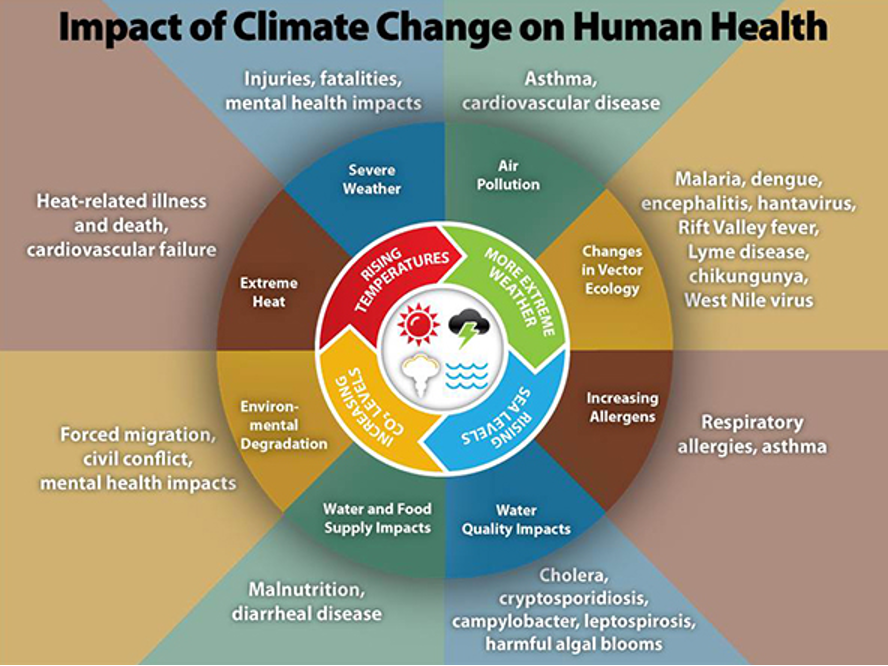
When examined through the lens of ecological integrity, a 4-degree rise is not merely a statistical figure; it is a harbinger of chaos. Coral reefs, the vibrant underwater cities teeming with life, would succumb to bleaching and die-off, while terrestrial ecosystems would face unprecedented upheavals. Deforestation levels and forest fires would escalate, transforming lush, diverse landscapes into arid wastelands devoid of life. Our planet’s capacity to support human existence would be dramatically diminished, leaving vast populations vulnerable to famine, displacement, and disease.
The implications of climate change are labyrinthine, woven into the very fabric of societal structures. The potential for mass extinction, a consequence echoed through geological time, looms larger with each passing year. The trajectory we are currently on could herald the sixth mass extinction event. Species, unable to adapt swiftly to the pace of climate change, are facing an existential threat, akin to a barometer indicating the health of our planet. This shifting paradigm poses a resolute question: Can humanity prosper in a world stripped of biodiversity?
Temporal perceptions regarding this crisis are equally crucial. We often operate on a linear timeline, envisioning the future in neat, compartmentalized decades. Yet, climate change operates on its own terms, an insidious specter lurking in shadows, poised to unfurl its catastrophic consequences sooner than anticipated. Projections indicate that drastic changes in regional climates may manifest within the next couple of decades—an alarming timeline that surpasses many previous estimates.
One must ponder: Are we prepared for this imminent reality? The phenomenon of climate change acts like a silent assassin; its effects creep up on us, relentless and unforgiving.
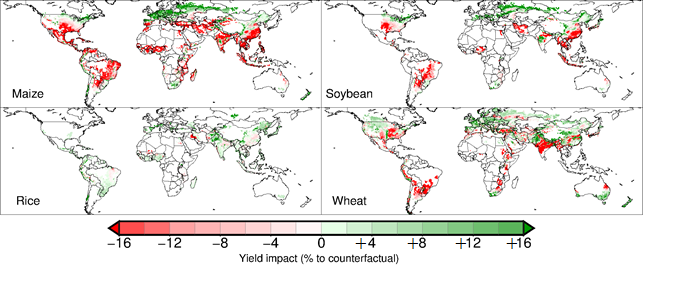
Lives and livelihoods will be inexorably altered as natural resources become scant and geopolitical tensions rise over dwindling supplies. In developing nations, the brunt of climate change will be particularly fierce, illustrating a profound inequality in vulnerability. As droughts ravage agricultural regions or floods inundate coastal cities, the human cost will be staggering— displacing millions, exacerbating global migration, and igniting potential conflicts over resources.
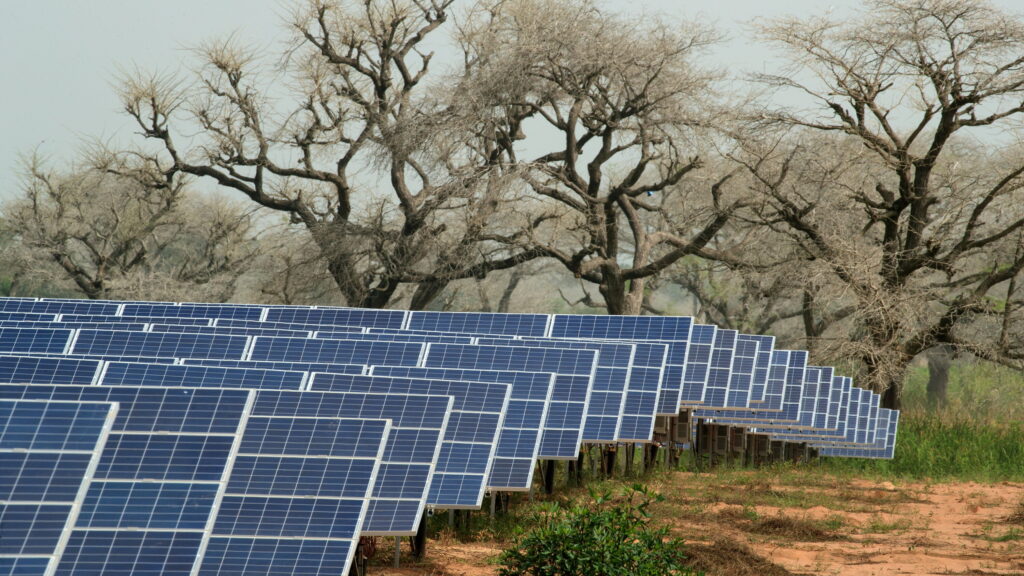
Yet, amidst this shadowy forecast, glimmers of insight and resilience emerge. Scientific limitations remind us that there is still a measure of agency in this climatic drama. Innovations in renewable energy and advances in carbon capture technologies could dramatically mitigate the greenhouse gas effects, if rapidly scaled and implemented. Transitioning to sustainable practices offers pathways that are both aspirational and achievable. An ecological renaissance, fueled by passion and informed by scientific rigor, can pave a road diverging from the catastrophic trajectories outlined by current models.
Societal shifts toward sustainability must be systematic, encompassing legislation that prioritizes environmental stewardship. Every sector—from agriculture to manufacturing—needs to embrace green practices, fostering a culture of symbiosis between human progress and ecological health. Education plays a pivotal role; when individuals comprehend the interconnectedness of their actions with the environment, the potential for meaningful change burgeons. The narrative of climate change can be rewritten, transforming it from a narrative of despair to one of hope and stewardship.
The discourse surrounding climate change is often plagued by doomism: a debilitating belief that catastrophe is unavoidable. However, it is paramount to recognize that humanity has triumphed over adversity in the past. The threat of climate change, while daunting, also serves as a catalyst for collective action—a powerful impetus that can unite diverse voices toward a common cause. Building resilient communities, investing in sustainable technologies, and forging international partnerships can engender a global movement dedicated to reversing the tide of destruction.
In conclusion, tackling the question, “Will climate change kill us all?” begets the understanding that the answer hinges upon human resolve and action in the present moment. The timelines of devastation and resilience are malleable, shaped by our decisions today. As the ship of humanity navigates these unpredictable waters, will we have the wisdom to adjust our sails, or will we be consumed by the tempest we have wrought? The choice is inexorably ours, and the clock is ticking—a reminder that the future is not a foregone conclusion but a fluid reality molded by our collective agency.






Leave a Comment