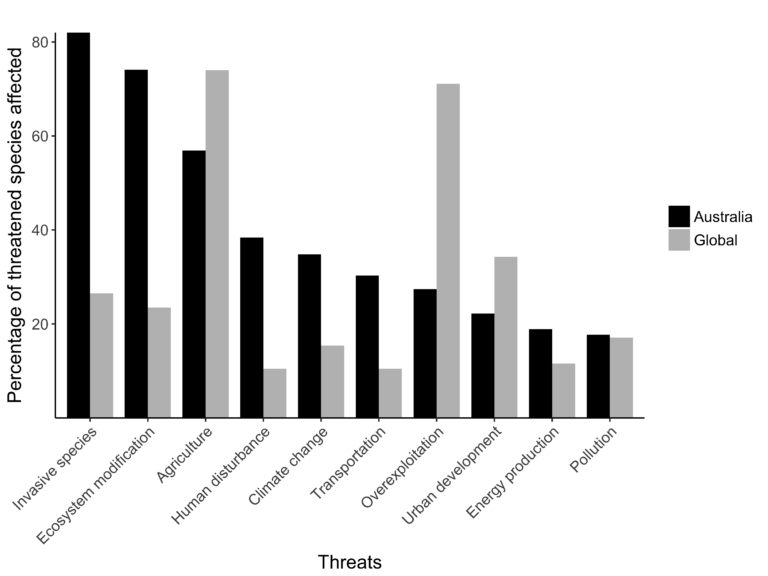
Biodiversity is often likened to a grand tapestry, woven with the vibrant threads of myriad species, each playing a unique role in the ecosystem. Yet, lurking within this delicate fabric are invasive species, like an insidious stain, threatening to unravel the intricate patterns of life. These organisms, transported beyond their native habitats, have a formidable capacity to disrupt, displace, and diminish the native flora and fauna that constitute our planet’s biological wealth.
Understanding Invasive Species
Invasive species are defined as non-native organisms that, when introduced to new environments, proliferate at an alarming rate and establish themselves, often to the detriment of indigenous species. They are the interlopers in a carefully balanced ecosystem, akin to uninvited guests who ransack a peaceful gathering, leaving chaos in their wake. These organisms can include plants, animals, fungi, and microorganisms, and their impact can be both profound and multifaceted.
Consider the formidable power of the Asian Carp, an aquatic menace that has invaded North American waterways. Initially introduced for aquaculture and fishery management, these fish now threaten the very balance of local aquatic ecosystems. By outcompeting native fish species for food and habitat, they disrupt the intricate food web, resulting in a cascading effect that compromises the health of the entire aquatic community.
The Economic Burden
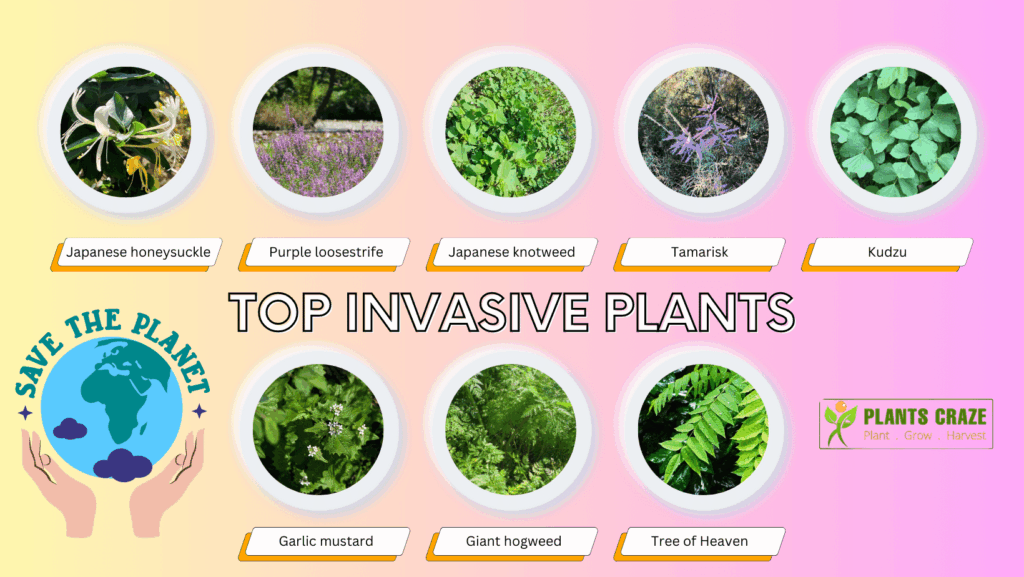
The repercussions of invasive species extend beyond ecological realms; they also impose a significant economic burden. Invasive species can lead to substantial financial losses across various sectors, particularly agriculture, forestry, and fisheries. For instance, the Kudzu vine, often dubbed “the vine that ate the South,” strangles native plants, reduces crop yields, and necessitates costly eradication efforts. The economic toll of invasive species in the United States alone has been estimated to exceed $120 billion annually.
Disruption of Ecosystem Services
Ecosystems provide invaluable services, from the pollination of crops to the purification of water. Invasive species, however, can compromise these services, acting as a catalyst for ecological degradation. Take, for example, the European Starling, a migratory bird introduced in the 19th century, whose voracious appetite for native insects can devastate populations crucial for pollination. When ecosystem services falter, the ripple effects can be felt across food production, water availability, and overall human health.
A Case Study in the Forest
Imagine a lush forest, aglow with the vibrant hues of diverse plant life, teeming with creatures both great and small. Now, introduce the Emerald Ash Borer, a beetle that has wreaked havoc on North American ash trees. As it drills into the tree’s bark, it disrupts the flow of nutrients and water, leading to a slow death for these towering giants. The decline of the ash tree population not only alters the habitat for countless species — from the woodpeckers that rely on their bark for food to the myriad insects that call them home — but also destabilizes the very structure of the forest itself.
Unique Appeal of Native Species
The unique appeal of native species is often overlooked. These organisms have co-evolved with their environment and play specific roles tailored to the local ecosystem. They form complex relationships with other native species, contributing to a resilient and balanced environment. The introduction of invasive species upsets this balance, as they often have accelerated reproductive rates and lack natural predators in their new habitats.
The striking beauty of native wildflowers, for instance, is more than just aesthetic; they serve as critical food sources for native bees and butterflies. Conversely, the introduction of invasive species like the Common Buckthorn can lead to the decline of these beautiful native plants, choking them out and thereby diminishing the overall biodiversity that plants and pollinators provide.
The Human Connection
Humans are not immune to the impacts of invasive species. As stewards of the environment, it is our responsibility to combat this encroachment. From backyard gardens to expansive national parks, the battle against invasive species is an ongoing struggle. Education and awareness are paramount; understanding the consequences of our actions, such as planting non-native species or neglecting biosecurity, can empower individuals to become part of the solution. Control measures, ranging from physical removal to biological control through natural predators, can help mitigate their effects.
A Call to Action
The preservation of biodiversity is not merely an environmentalist’s concern; it is fundamentally a human one. The degradation of ecosystems due to invasive species threatens our food supplies, disrupts water cycles, and undermines our well-being. We must advocate for policy reforms that prioritize the protection of native ecosystems and promote public awareness campaigns that emphasize responsible gardening and landscaping choices.
As we confront the perils posed by invasive species, we are reminded that the fight for biodiversity is a collective endeavor. By weaving conservation into the fabric of our daily lives, we ensure that future generations inherit a world rich in the vibrant threads of nature—a tapestry that continues to flourish, resilient in the face of adversity.
In conclusion, the battle against invasive species is a critical front in the ongoing struggle for biodiversity. The fate of our planet’s ecosystems hinges upon our ability to recognize the threats they pose and to take concerted action. Just as the tapestry of life hangs in delicate balance, so too does the responsibility of every individual to nurture and protect it.








Leave a Comment