The retreat of glaciers has been a striking phenomenon observed since the mid-19th century, a stark and sobering reflection of our changing climate. To the untrained eye, what may appear as simply a loss of ice could, in fact, represent an intricate tapestry woven with threads of environmental degradation, anthropogenic influences, and natural climatic oscillations. This extensive exploration delves into the myriad reasons behind the ongoing demise of glaciers, revealing the multifaceted narrative that underscores their retreat.
First, it is essential to comprehend the importance of glaciers in our global ecosystem. Glaciers serve as vast reservoirs of freshwater, influencing sea levels and hydrological cycles. Their majestic presence in mountainous regions not only captivates the human spirit but also supports diverse ecosystems reliant on meltwater for survival. As we analyze the retreat phenomenon, we must grasp its implications—not merely for the glaciers themselves, but for the myriad of life forms dependent upon their existence.
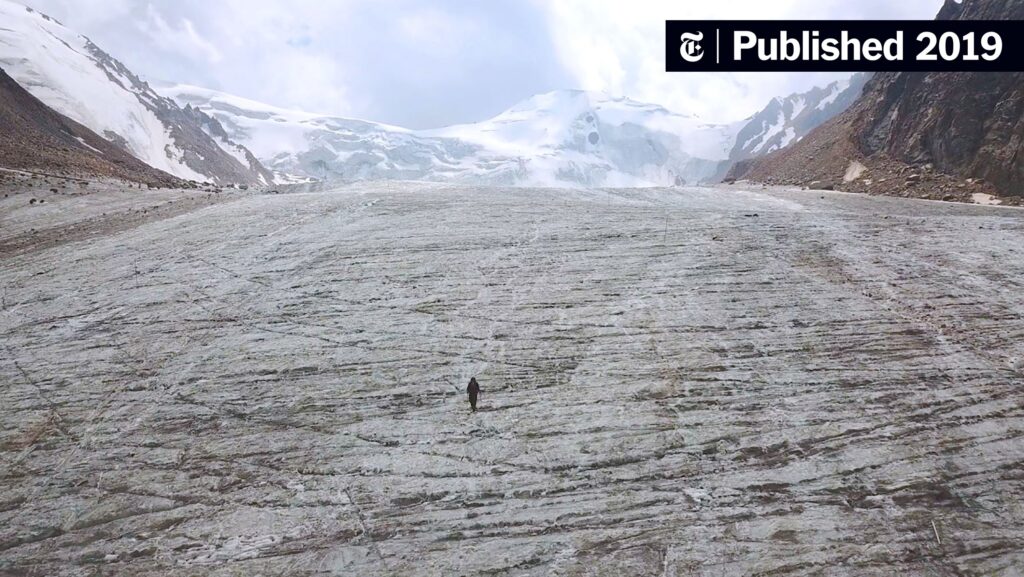
Historically, glaciers have acted as barometers for climate change, their movements closely reflecting shifts in temperature and precipitation patterns. The mid-19th century, a period marked by the rise of industrialization and substantial increases in greenhouse gas emissions, heralded the commencement of an unprecedented warming phase. Combustion of fossil fuels, deforestation, and extensive land use changes have collectively exacerbated the greenhouse effect, trapping heat within the Earth’s atmosphere. In regions like the Himalayas, the Alps, and the Andes, glaciers have been responding to these changes with alarming urgency, receding dramatically.
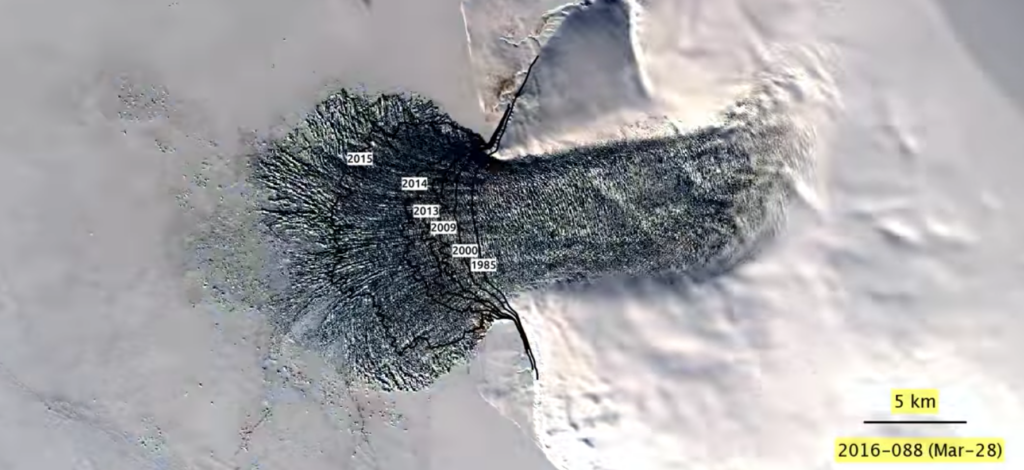
Moreover, the phenomenon of glacier retreat cannot be dissected from the broader context of global warming. Scientists assert that the planet has experienced an increase of approximately 1.1 degrees Celsius since the late 19th century. This seemingly modest rise belies its profound ramifications, leading to elevated temperatures that catalyze glacial melt. As the signal of climate change becomes more pronounced, glaciers across various continents have steadily been shrinking, with some regions witnessing a loss of up to 90% of their ice mass since the 1800s.
Yet, the complexity of glacier dynamics extends beyond mere temperature increases. One must also consider the intricacies of feedback loops inherent to glacial environments. For instance, as glaciers retreat, they expose darker surfaces, such as rock and soil, which absorb more sunlight than reflective ice. This process, known as albedo reduction, accelerates warming and further contributes to glacial melt—a self-perpetuating cycle of decline.
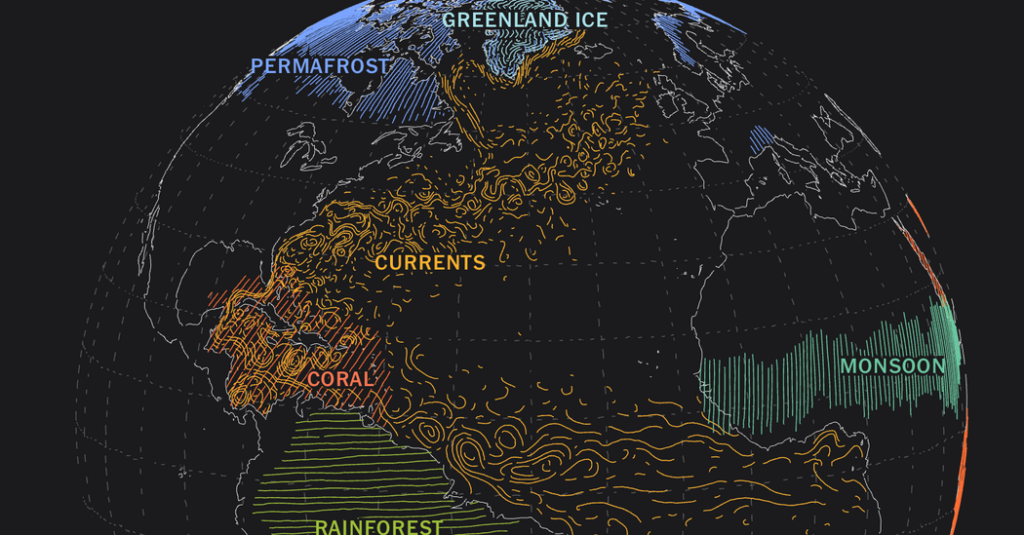
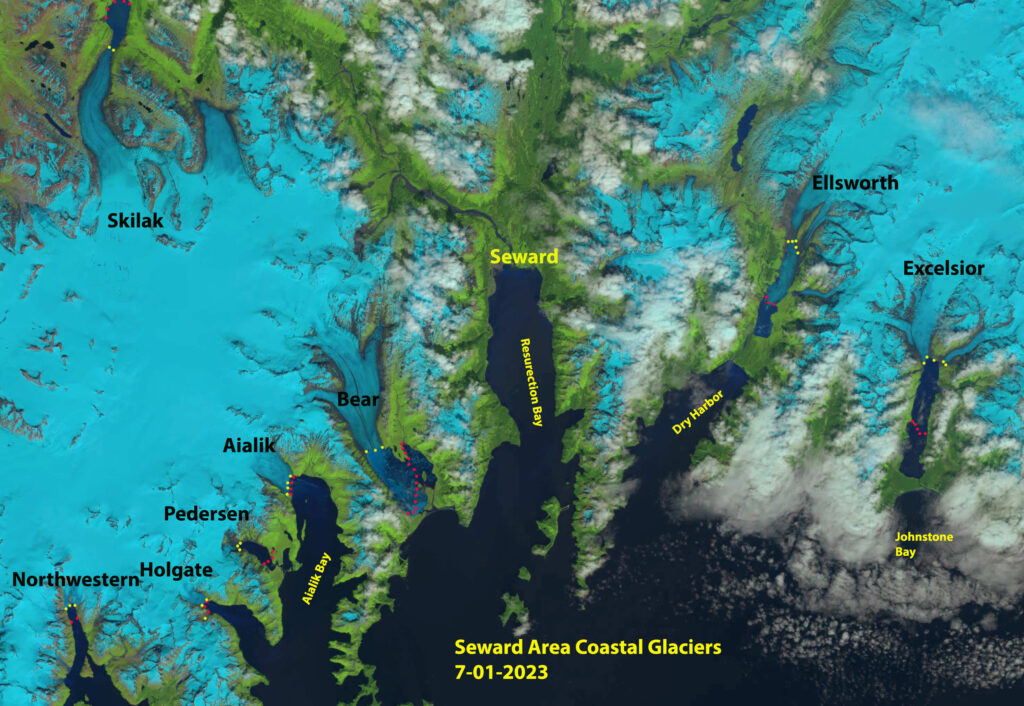
The influences of localized factors further complicate this narrative. Glaciers in different geographic locales respond variably to climate change due to diverse climatic conditions, geographical features, and prevailing weather patterns. For example, glaciers in coastal regions may experience rapid melting induced by oceanic currents, while those situated in the interior may be somewhat insulated from marine influences but still vulnerable to regional warming trends. Such variances raise critical questions about the resilience and adaptability of different glacial systems.
Additionally, atmospheric phenomena such as the El Niño-Southern Oscillation (ENSO) play a significant role in glacial dynamics. These periodic climatic fluctuations can shift temperature patterns, which, in turn, impact precipitation levels. The interaction of these elements can either exacerbate or alleviate melting, depending on the intensity and timing of the events. Therefore, a comprehensive understanding of glacier retreat must be rooted in the acknowledgment of both global and regional climatic influences.
Furthermore, human intervention has directly impacted glacier stability. The proliferation of infrastructure, such as roads and cities, has altered local climates, leading to increased heat absorption and diminishing snow cover. In some cases, tourism has introduced additional pressures—masses of visitors contribute to increased greenhouse emissions through travel while also accelerating physical degradation of delicate glacial surfaces.
As the retreat of glaciers unfolds, it reveals itself as a haunting allegory for the broader environmental challenges we face today. The loss of these majestic ice formations serves as a tangible reminder of the fragility of our planet’s ecosystems and the urgent need for collective action to mitigate climate change. The narrative of glacier decline encapsulates a microcosm of larger environmental issues ranging from biodiversity loss to sea-level rise.
Critical to the discourse on glacier retreat is the reckoning with cultural significance. Glaciers have long been viewed as sacred entities—sources of inspiration for art, literature, and spirituality. The loss of such profound natural monuments evokes deep emotional responses, prompting societies to confront their relationship with nature. Accordingly, preserving glaciers extends beyond scientific or economic imperatives; it crystallizes a moral obligation to future generations and the ecosystems that will succeed us.
In conclusion, the retreat of glaciers since 1850 embodies a complex array of interrelated factors, both natural and anthropogenic. The repercussions of their loss resonate within ecological frameworks and human societies alike, marking an urgent call to action. As stewards of the Earth, we must not only comprehend these dynamics but also galvanize efforts to forge sustainable pathways—ones that respect, preserve, and restore our planet for generations yet to come. The glaciers may be receding, yet their narrative persists, urging humanity to acknowledge the fragility of our environments and the impermanence of our own existence.




Leave a Comment