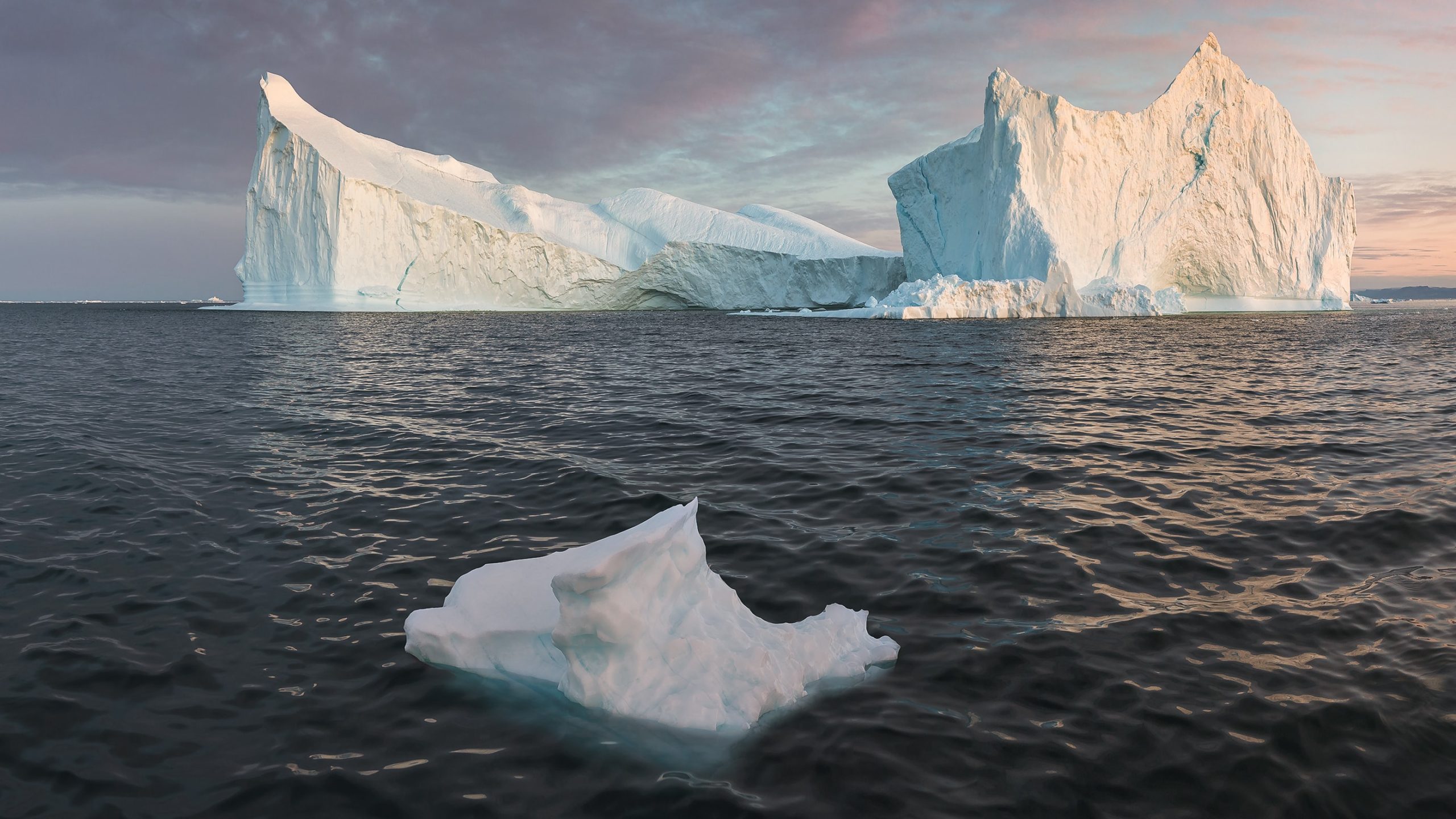
In the grand narrative of our planet’s climate, glaciers and sea ice stand as sentinel markers of environmental health, offering insight into the intricate connections within our Earth’s ecosystems. Their simultaneous melting presents a visual and symbolic reminder of the consequences of climate change. Understanding why these two phenomena are intertwined requires an examination of the intricate relationship between atmospheric conditions, ocean currents, and the earth’s changing energy balance.
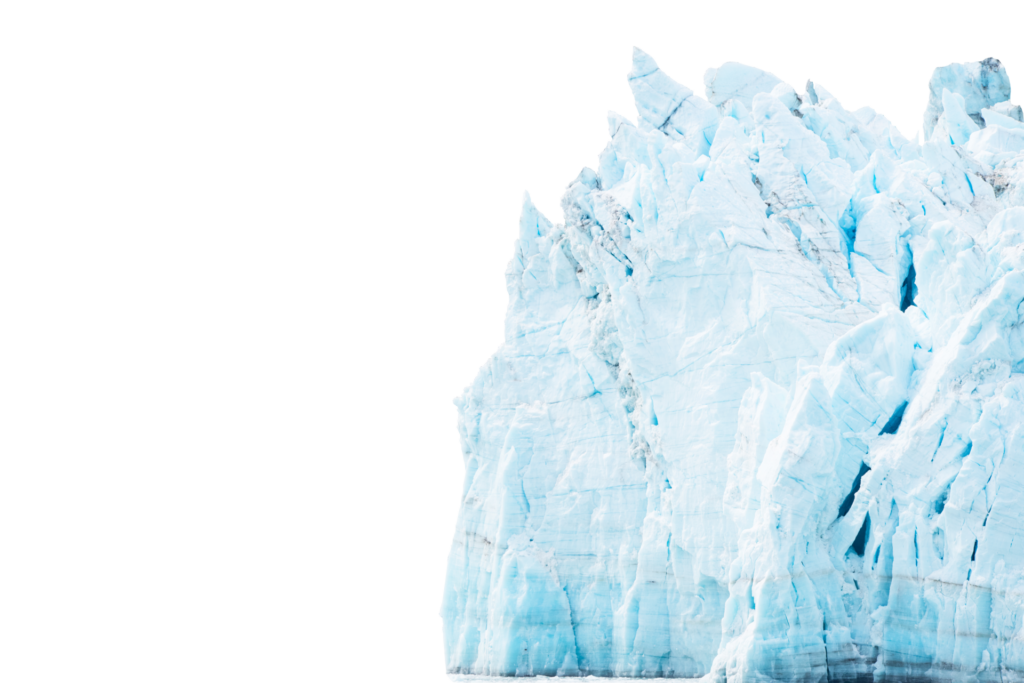
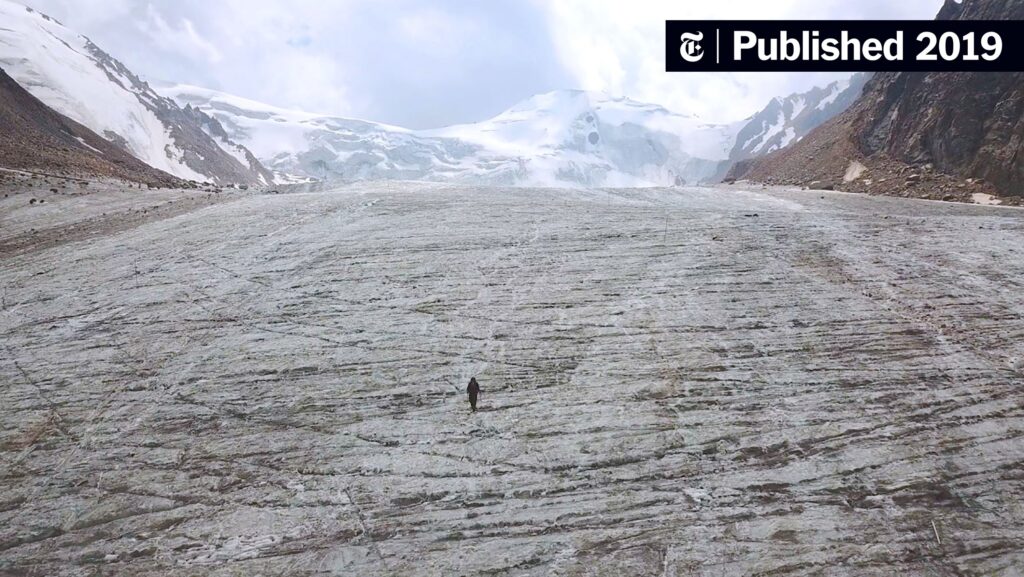
Let us first unravel the essence of glaciers and sea ice. Glaciers, vast rivers of ice, are formed from accumulated snowfall that compresses over millennia. They are majestic in their permanence yet fragile in their existence. Sea ice, on the other hand, forms from the freezing of seawater and plays a crucial role in regulating ocean temperatures and, consequently, global weather patterns. Both are critical components of Earth’s climate system, acting as reflectors of sunlight—thus contributing to the regulation of temperature.
As greenhouse gases accumulate in the atmosphere, they create a warming blanket around the Earth. This rise in temperature affects polar regions disproportionately, leading to an alarming decline in both glaciers and sea ice. The interrelationship between these entities is a manifestation of processes that defy simplistic explanations.
One significant factor linking the fate of glaciers and sea ice is the warming ocean. Oceans absorb vast amounts of solar energy, acting as a heat reservoir. As surface temperatures climb, warmer waters infiltrate glacial regions. This phenomenon, known as “subaqueous melting,” occurs when warmer seawater directly erodes the bases of glaciers that flow into the ocean, hastening their retreat. Concurrently, as warmer air holds more moisture, the atmospheric composition alters, leading to heavier precipitation in some areas while drying others. Such shifts can diminish the accumulation necessary for glaciers to maintain their mass.
Moreover, the loss of sea ice exacerbates glacier melting in a feedback loop that is both vicious and relentless. Sea ice plays a pivotal role in regulating the temperature of ocean waters. As sea ice diminishes, darker ocean waters are exposed, absorbing more solar radiation—a process known as albedo feedback. This not only accelerates the melting of surrounding sea ice but also contributes to higher ocean temperatures, further destabilizing glaciers. The implications are profound: as glaciers recede, they release freshwater into the oceans, contributing to rising sea levels and altering oceanic currents that have been stable for thousands of years.
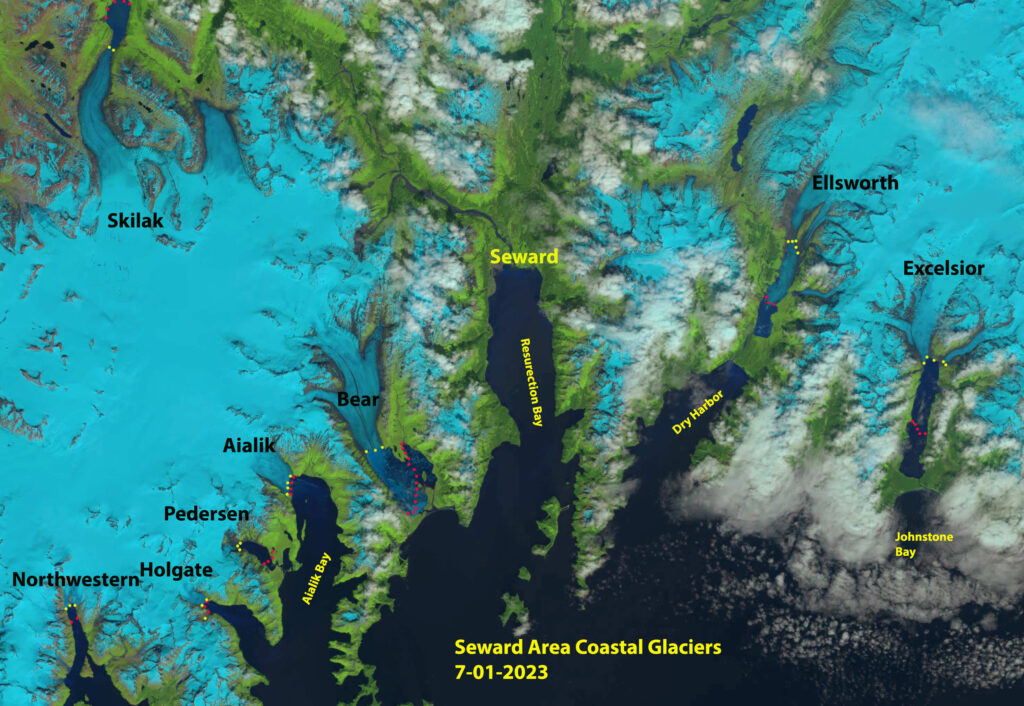
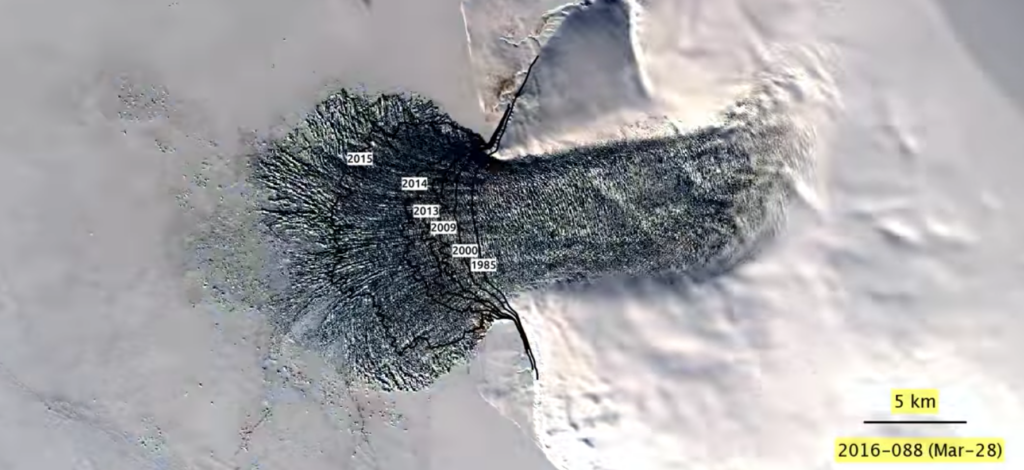
Physical geography further intertwines the destinies of glaciers and sea ice. In regions with significant glacier flow, such as Greenland and Antarctica, the melting of these glaciers accelerates the discharge of icebergs into the surrounding seas. This leads to more significant ice loss from ice shelves that hold back glacial fronts. The collapse of these ice shelves can contribute to the acceleration of glaciers grounded on land, amplifying the outflow of ice into the oceans. The confluence of these factors creates a potent mix for melting, posing challenges not only to the glaciers themselves but also to the ecosystems and human communities that rely on their stability.
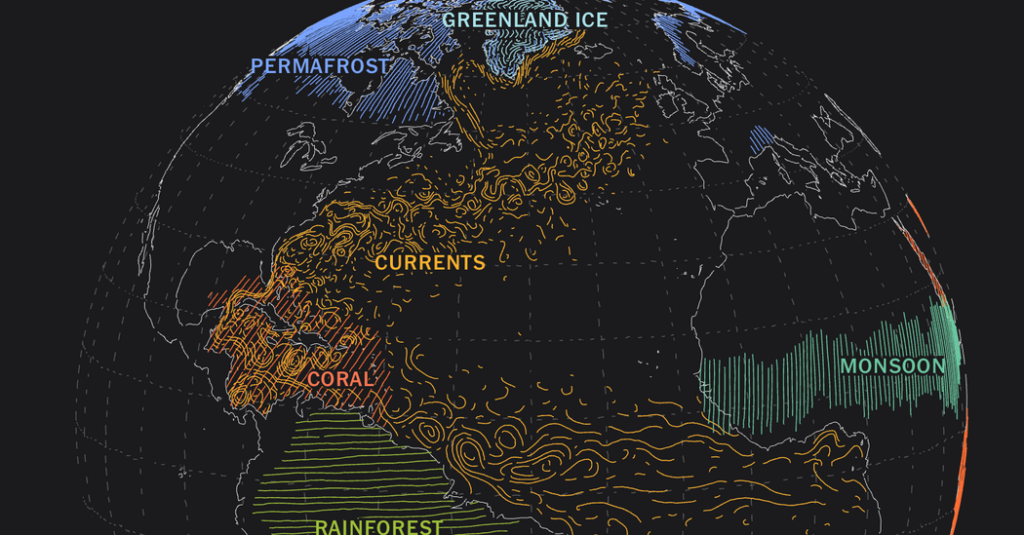
The ocean currents shaped by the unique configurations of both glaciers and sea ice connect climate systems globally. The disruption of these currents due to melting ice alters marine ecosystems and affects fish populations, ocean temperature, and salinity—further influencing weather patterns around the world. Indeed, these changes ripple across the globe, showcasing a complex tapestry where every element interacts symbiotically, and a shift in one can have widespread consequences.
As we delve deeper into the environmental implications of this dual melting, the socio-cultural repercussions become increasingly evident. Indigenous communities in polar regions thrive on the stability offered by glaciers and sea ice, relying on them for sustenance and cultural practices. The loss of these natural resources forces communities to adapt or face existential dilemmas, raising questions about identity, heritage, and survival in the face of climate change. These human stories are vital threads in the broader climate narrative, reminding us of the direct repercussions on those who face the brunt of environmental degradation.
Yet, amid this harrowing saga lies an opportunity for transformation. The concurrent melting of glaciers and sea ice serves as a catalyst to re-evaluate our environmental practices, policies, and collective responsibility towards planetary stewardship. By recognizing the interconnected nature of climate systems, we are prompted to advocate for bold action, mitigate our carbon footprint, and demand accountability from corporations and governments. This awakening calls for the cultivation of innovative solutions aimed at sustaining our planet’s integrity and ensuring a harmonious coexistence with our ecosystems.
In waking up to the stark realities presented by the melting glaciers and sea ice, our perspective must shift. What was once seen as abstract information is now an urgent call to action. The plight of polar regions is not confined to their boundaries—its reverberations can be felt in the heart of every continent. In recognizing this interconnectivity, we are invited to foster a more profound respect for our environment, harnessing our curiosity to explore solutions that extend beyond our immediate surroundings.
In conclusion, the simultaneous melting of glaciers and sea ice is not just an environmental phenomenon; it is a poignant reminder of the intricate web of life that binds us all. Understanding this relationship beckons a commitment to pursue knowledge, embrace change, and safeguard the future of our planet. Each melting glacier and retreating piece of ice serves as a testament to the environmental challenges we face—and an impetus to act with urgency, empathy, and creativity for a sustainable world.





Leave a Comment