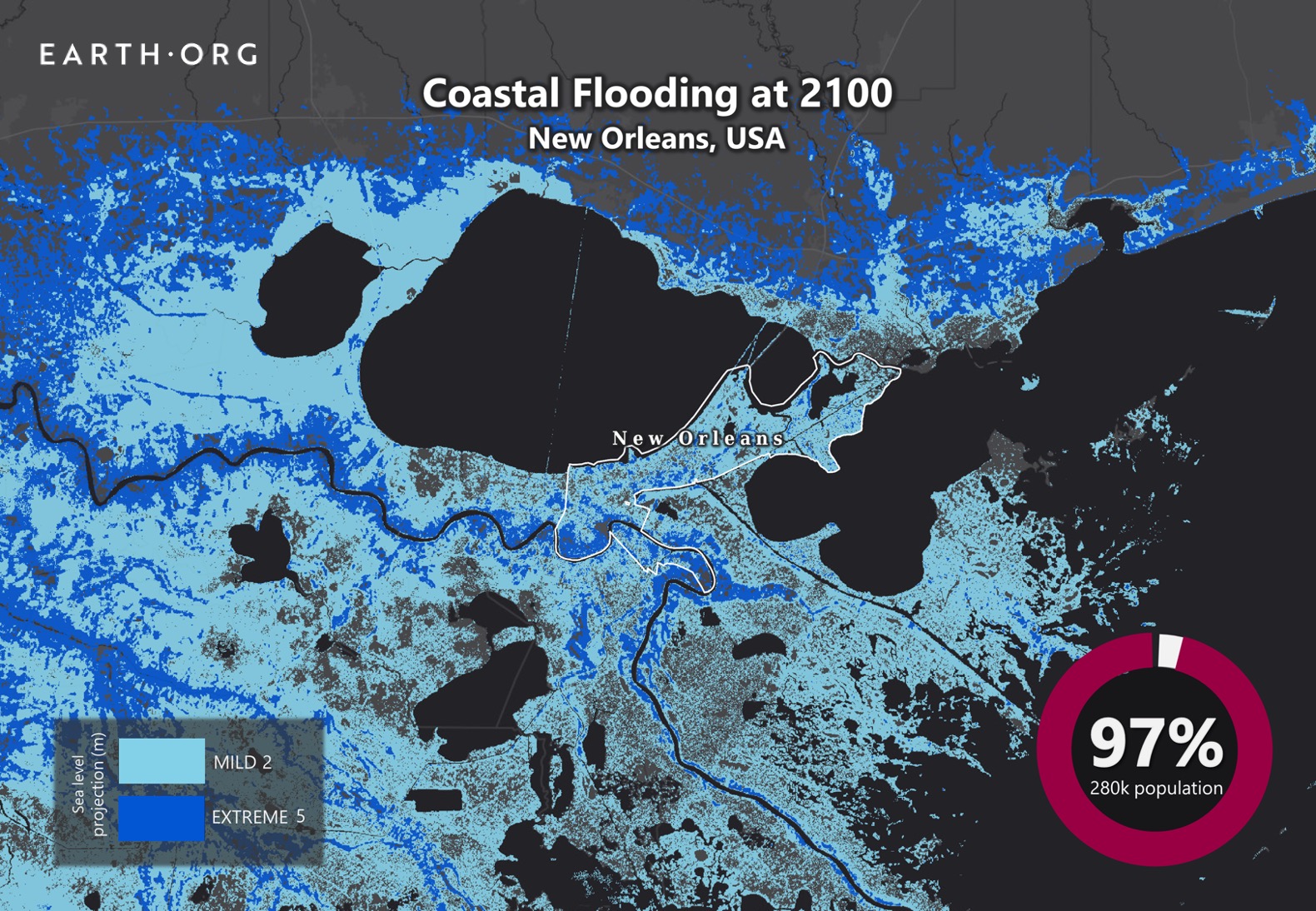
As the sun sets over the crescent-shaped city, New Orleans stands resilient against the backdrop of a world in flux. The soulful melodies echoing through the streets, the vibrant festivities, and a rich tapestry of culture intertwine in a delicate balance. Yet, beneath this vivacious surface lies an unsettling truth. By 2100, the very existence of this enchanting metropolis could be jeopardized if the alarming predictions concerning sea levels materialize.
Picture a grand masquerade, where the profound beauty of New Orleans’ architecture is slowly being enveloped by the encroaching waters; a once-vibrant jubilee teetering on the precipice of oblivion. This image serves as a stark metaphor for a city caught in the clutches of climatic transformation. Climate change is not merely an abstract concept; it has become an existential threat that looms over the Gulf Coast region, threatening to drown the very spirit of New Orleans.
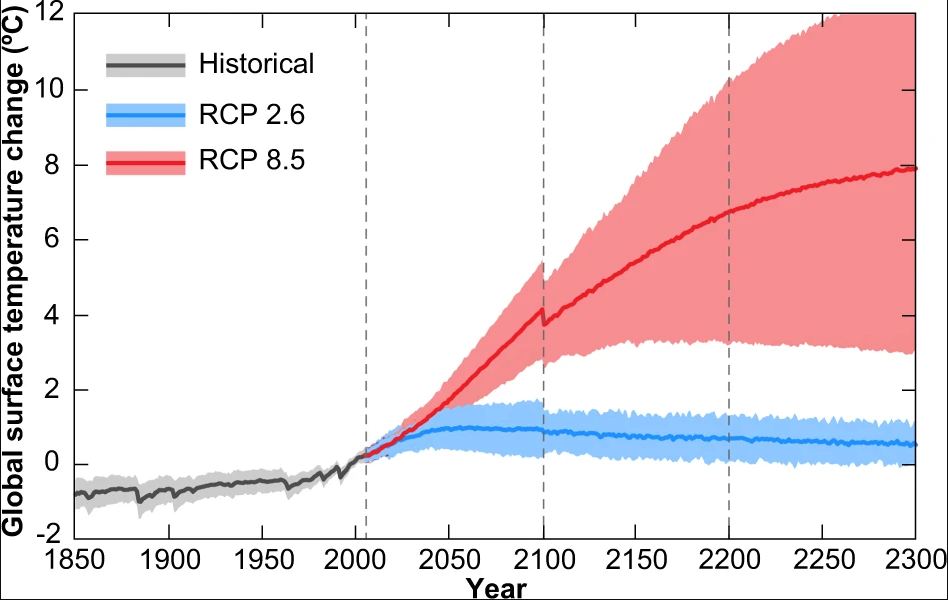
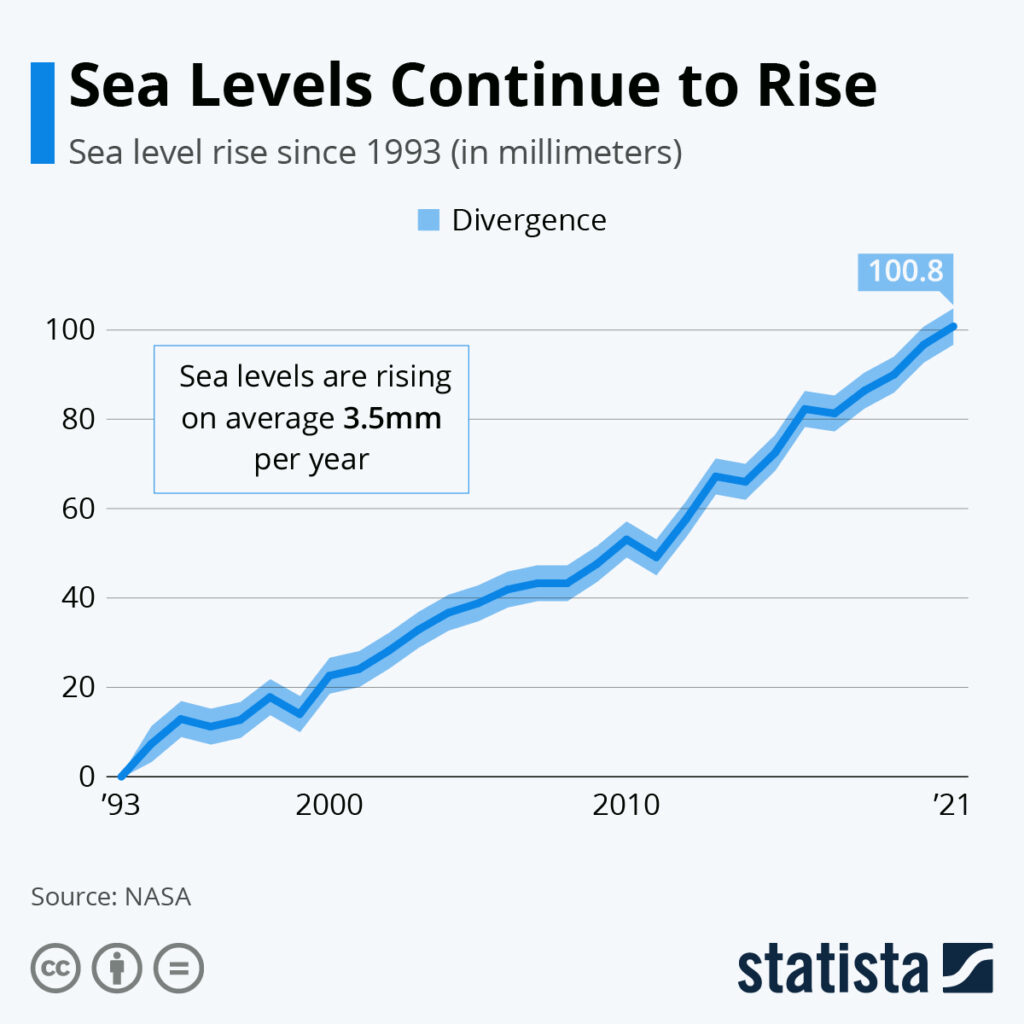
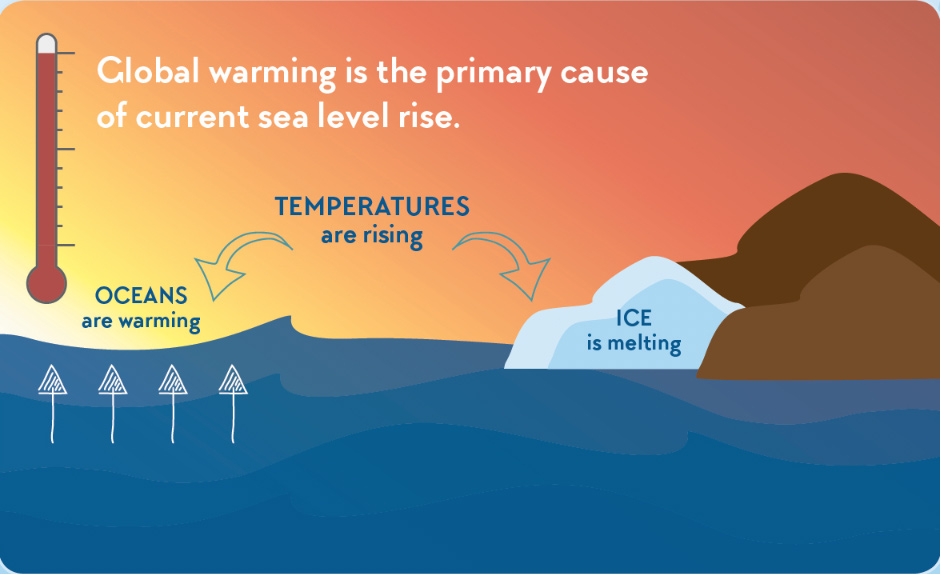
The ramifications of rising sea levels are as multifaceted as they are catastrophic. Projections indicate that, if current trends persist, the sea could rise by three to six feet by the turn of the century. Such an increase could render significant expanses of land, including much of New Orleans, uninhabitable. This staggering reality could lead to displacement on an unprecedented scale, echoing through families and communities forged over generations.
Foremost among the concerns is the city’s vulnerability. Nestled below sea level, great portions of New Orleans are already predisposed to flooding. The levees, which stand as both a physical and psychological barricade against the waters, may falter under the relentless pressure of climate change. Visualize a protective wall, gradually corroding; its once-imposing stature diminished against the insatiable tide.
The fabric of New Orleans is woven with a rich history of resilience alongside an ever-present threat of inundation. The intricate network of bayous and waterways plays a critical role in the ecology of the region, yet these natural barriers are rapidly diminishing. With climate change exacerbating coastal erosion, the wetlands that once shielded the city are receding like a curtain drawn against an unrelenting storm. The graceful cypress trees standing guard in these areas may soon become silhouettes against a flooded skyline.
Infrastructure, the lifeblood of any city, faces its own trial by water. Building codes may necessitate revision to account for the encroaching tides that could become frequent visitors rather than occasional intruders. The structural integrity of homes and businesses hangs in the balance, caught in the dance of adaptation and isolation. Each new storm brings with it heightened anxiety, as New Orleanians brace for the worst, uncertain whether their abode will remain untouched or submerged in history.
Furthermore, inequity coils itself around this narrative, tightening its grip. Historically marginalized communities are disproportionately affected by flooding and rising seas, a poignant reflection of societal divides. As wealthier neighborhoods invest in elevated homes and fortified defenses, the more vulnerable populations may find themselves abandoned to the whims of nature. The struggle for survival turns into a treacherous game; a high stakes gamble where the smallest loss can tip the scales irrevocably.
In the face of this daunting outlook, resilience springs forth in various forms. Community-led initiatives have begun to rise like phoenixes from the ashes of despair, striving to counteract the impacts of climate change. Green infrastructure projects aim to help the land heal while enhancing the city’s ability to absorb excess water. Rain gardens, permeable pavements, and restored wetlands form part of an ambitious blueprint—an optimistic gamble with nature.
At the same time, a shift in perspective is paramount. Climate consciousness burgeons within the hearts of New Orleanians as they confront their future. The city embraces a narrative of recovery and responsibility, mobilizing toward collective action. As the waters loom large, the voices of passionate advocates rise, demanding attention and action on a scale never seen before. A symphony of defiance plays; it resonates with the fervor for preservation and sustainability.
It is essential to recognize that the consequences of rising sea levels extend beyond New Orleans. They ripple throughout the coastal cities, invoking a sense of urgency that reverberates across national and global landscapes. As the levees rise and fall with the tides, we must broaden our vision to encompass those who share the struggle with this majestic city. The fate of New Orleans reflects the larger narrative of our planet, where cities are intertwined in a delicate ecosystem of symbiosis.
The future, though fraught with uncertainty, beckons innovation, adaptation, and the promise of collaboration. What will sea levels in New Orleans look like by 2100? One must hope it is a tableau of transformation rather than a sorrowful farewell. Together, we can craft a narrative that not only preserves the vibrant culture and history of this city but allows it to flourish anew amidst the tides.
As the waters approach, let us stand united in our commitment to nurture and defend the essence of New Orleans. It is not merely a battle against the encroaching seas but an affirmation of our shared humanity. The jazz will continue to play, even as the city evolves; a heartbeat against the backdrop of change—a classic melody in an ever-evolving symphony of survival.






Leave a Comment