Global warming, a phenomenon that has morphed from speculative debate to urgent reality, harbors various devastating effects that threaten the very fabric of life on Earth. Among the myriad consequences, the impending mass extinction of species stands out as one of the deadliest ramifications of this ongoing crisis. This compilation navigates through the labyrinthine dimensions of global warming’s effects, dissecting not only the implications for biodiversity but also the interwoven impacts on human health, food security, and socio-economic stability.
The first harbinger of devastation is the accelerated rate of extinction among plant and animal species. As global temperatures rise, habitats are disrupted, and ecosystems that have flourished for millennia are thrown into discord. The IUCN Red List estimates that over one million species face extinction due to climate change and habitat degradation. Polar bears, once iconic denizens of the Arctic, find their icy shelters melting away. Coral reefs, which nurture a quarter of marine species, are dwindling as ocean temperatures soar, causing widespread bleaching. This cascade of extinction extends beyond individual species; it jeopardizes entire ecosystems—irreplaceable reservoirs of genetic diversity that crucially sustain human life.
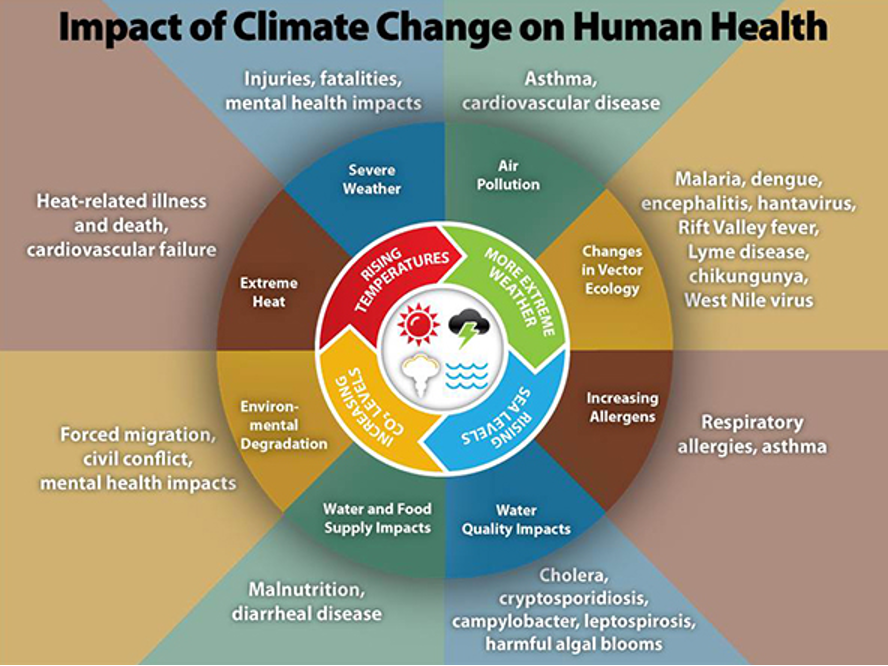
Moreover, the extinction of species carries dire consequences for human health. Biodiversity plays an integral role in the provision of ecosystem services, including the regulation of diseases. Many medicinal compounds are derived from plants and fungi, and as species disappear, so too does the potential for new medicines to emerge. The loss of pollinators, such as bees, could lead to catastrophic declines in food production, directly impacting human nutrition and health. The interplay between biodiversity and our well-being is inextricable; as the natural world unravels, so too does the foundation upon which human health rests.
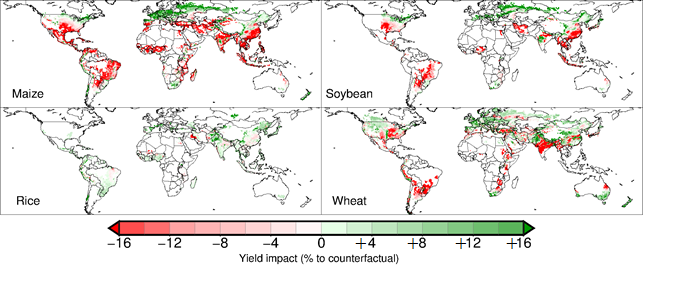
Food security is yet another grim outcome of global warming. The alteration of climate patterns disrupts traditional agricultural practices, resulting in erratic harvests. Crop yields can be drastically reduced, especially in regions already vulnerable to famine. Paradoxically, while some areas may experience increased agricultural productivity due to warmer temperatures, others will suffer devastating losses. This inconsistency is particularly pronounced in developing nations, which lack the resources and infrastructure to adapt swiftly to climatic shifts. The resulting scarcity of food threatens not only nutritional health but also fuels social unrest; competition for dwindling resources often leads to conflict and destabilization.
As global warming intensifies, we must also reckon with the escalating frequency and severity of natural disasters. From raging wildfires in Australia to catastrophic hurricanes in the Caribbean, climate-change-induced phenomena wreak havoc worldwide. These disasters displace millions, leading to humanitarian crises and strained infrastructure. Vulnerable populations are disproportionately affected; their less resilient housing and limited access to resources amplify the fatality of these disasters. The exacerbation of inequalities is a bittersweet irony, as wealthy nations often bear a paltry share of the burden while poorer nations face the brunt of devastation.
Inextricably linked to the social fabric is the migration of climate refugees. As land becomes uninhabitable due to rising sea levels or extreme weather patterns, entire communities are forced to abandon their homes. This migration—often unprecedented in scale—creates a new class of refugees with no safe haven. Nations may close their borders or react with hostility, escalating tensions between migrants and host communities. The political ramifications could lead to a rise in nationalism and xenophobia, further polarizing societies already fraught with division.
Furthermore, the psychological toll of global warming cannot be overlooked. Collective environmental anxiety has reached alarming levels, inducing stress, depression, and feelings of hopelessness. The omnipresent awareness of looming threats exacerbates mental health issues, creating a populace that grapples with despair for the future. As individuals become increasingly aware of the fragility of their existence, the call for action may either catalyze a profound societal shift toward sustainability or leave them paralyzed in fear.
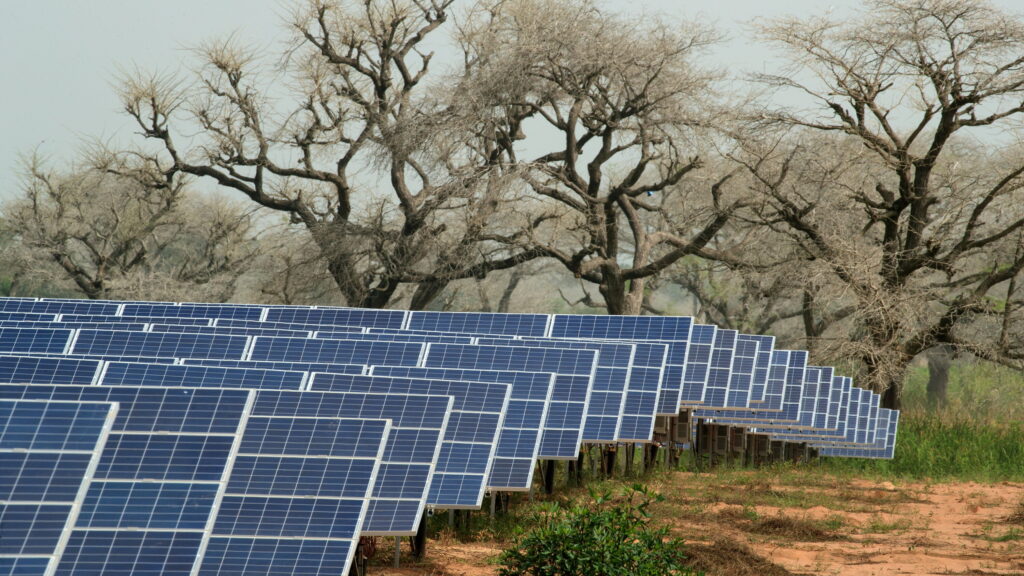
Against this disheartening backdrop, the urgent task remains to galvanize collective action and reshape our trajectory. Addressing climate change requires multifaceted solutions: transitioning to sustainable energy sources, enforcing stricter regulations on emissions, conserving natural habitats, and engaging in global cooperative agreements. Individuals, communities, and governments must unite in a concerted effort if we are to stave off the deadliest effects of global warming.
Ultimately, the essence of the challenge posed by global warming is not merely the loss of temperature stability or weather patterns but an existential battle for biodiversity, human health, and societal integrity. The interplay between these elements defines our present and will invariably shape our future. Each stride towards a sustainable world is a step toward alleviating the impending perils we face. The stakes have never been higher; the clock is ticking. It is incumbent upon humanity to heed the warnings, embrace conservation, and foster resilience for the generations that follow.
In summary, the deadliest effect of global warming manifests through ecological collapse, straining human life at multiple levels. Species extinction, food insecurity, increased natural disasters, forced migration, and mental anguish are interlinked strands of a formidable web. But amid this grim narrative lies the potential for regeneration. Our choices today will echo through eternity.






Leave a Comment