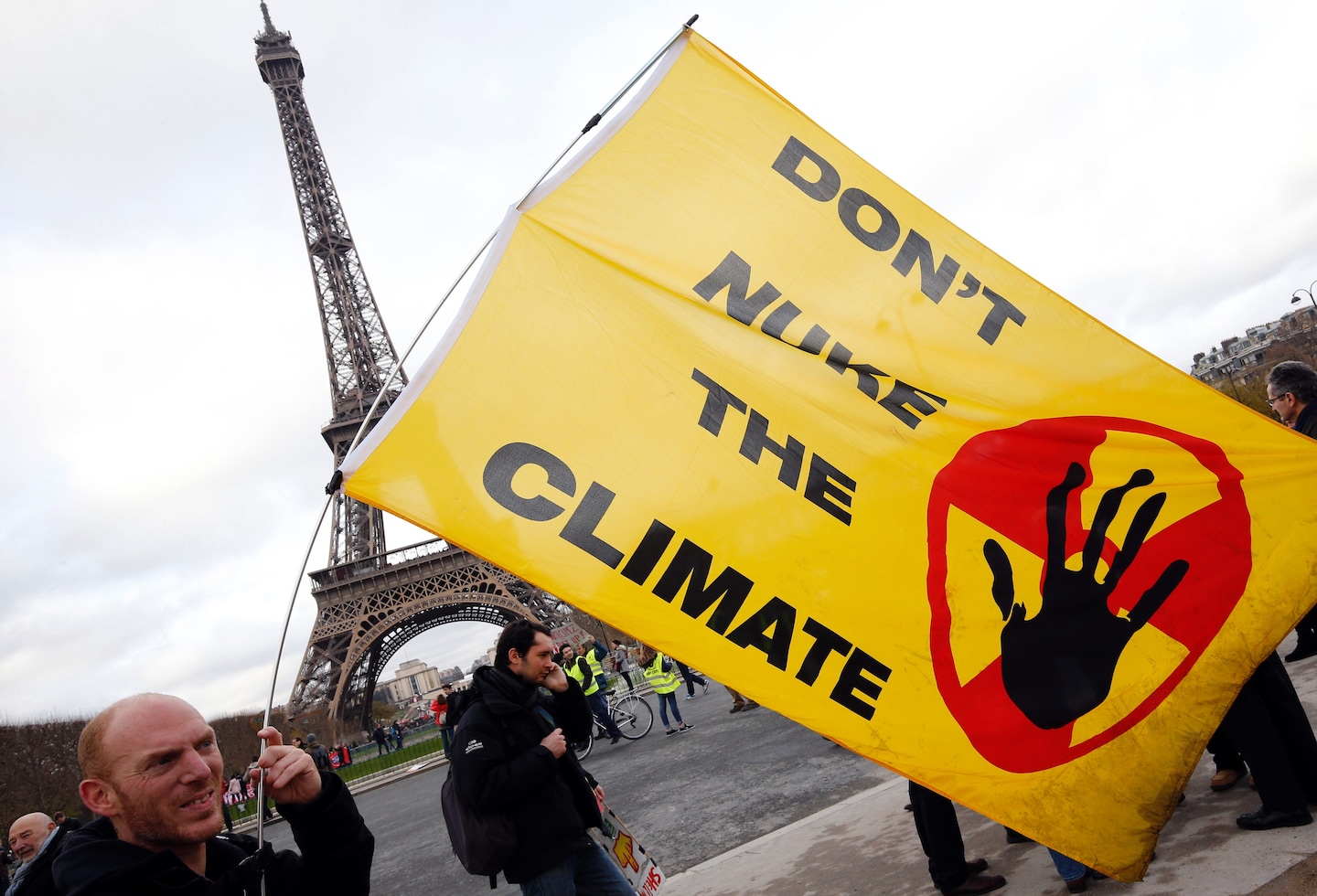
The Paris Climate Agreement, often heralded as a watershed moment in international environmental policy, emerges as a complex tapestry of commitments, aspirations, and inherent challenges. But what does this multi-faceted accord truly entail? And more importantly, what limitations does it carry that threaten its ambitious vision? Let’s dissect the essential components of the agreement, considering both its profound potential and its relative shortcomings.
To begin with, the Paris Agreement was forged during the 21st Conference of the Parties (COP21) to the United Nations Framework Convention on Climate Change (UNFCCC) in December 2015. The primary goal was to unite nearly every nation in a collective pursuit to stave off the calamitous effects of climate change. The pivotal aim is to limit global warming to well below 2 degrees Celsius above pre-industrial levels, with a more ambitious target of restricting the temperature rise to 1.5 degrees Celsius. But can a mere treaty compel adherence, especially when the stakes are so dreadfully high?
The Agreement functions on a framework of Nationally Determined Contributions (NDCs), wherein each participating nation delineates its specific climate targets. This system inspires a certain degree of accountability; countries are encouraged to set progressive, self-defined benchmarks for emissions reductions. Yet, herein lies a potential conundrum: without an overarching enforcement mechanism, how do we truly ensure compliance? What happens when nations “underperform” or fail to achieve their promised targets?
Moreover, the so-called “ratchet mechanism” is a feature designed to promote escalation in ambition over time. Participating states must submit updates to their NDCs every five years, but the reality is fraught with contention. Will nations rise to the occasion and ramp up their commitments, or will they falter under the pressures of development, economic considerations, and political upheaval? The dual challenge of fostering economic prosperity while addressing climate imperatives is a delicate balancing act that often tips toward the latter.
In conjunction with individual targets, the Paris Agreement underscores the significance of global cooperation. Developed nations are encouraged to provide financial and technical assistance to developing nations to help facilitate their transition toward sustainable practices. Fund mobilization is pivotal; it is estimated that up to $100 billion annually should flow into climate mitigation and adaptation efforts in the Global South. However, recent years have revealed an alarming gap between promises and reality. Are we at risk of creating a world where financial disparities precipitate inaction, thereby exacerbating climate vulnerability?
One notable aspect of the accord is its acknowledgment of the necessity for adaptation measures. Climate change is not merely an emissions problem; it presents a myriad of challenges, from extreme weather events to rising sea levels that threaten coastal communities worldwide. Countries are encouraged to assess their vulnerabilities and take proactive steps to safeguard their populations and ecosystems. Yet, as nations grapple with immediate socio-economic pressures, can the momentum for adaptation genuinely be sustained?
However, while the Paris Agreement provides a collaborative platform for engendering climate action, it has not managed to address some critical elements effectively. One major limitation is its reliance on voluntary compliance. The absence of legally binding obligations raises the question: Is it sufficient to rely on good faith when the stakes of inaction are so perilous? What structures or incentives exist to compel nations—especially those with the largest carbon footprints—to prioritize sustainability over short-term interests?
Furthermore, the discourse surrounding fossil fuel dependency continues to dominate, casting a long shadow over the achievements of the Agreement. Many nations still pursue energy policies heavily reliant on carbon-intensive fuels, thereby impeding the transition toward renewable sources. The paradox is stark: can we genuinely achieve our climate goals while simultaneously fueling our economies with fossil fuels? The challenge becomes not just one of policy implementation but also one of reimagining consumption patterns and energy demands.
Public engagement and accountability are crucial facets of the climate action landscape. Grassroots movements have proliferated, igniting a spirit of activism that transcends borders. Yet, translating this fervor into substantive policy change remains a formidable challenge. Are politicians responsive to their constituents’ demands for climate justice, or do political cultures inadvertently insulate them from accountability? The towering specter of climate change demands a collective movement that is as much civic responsibility as it is government policy.
Lastly, the Paris Agreement’s equity principles raise questions about fairness and historical responsibility. Developed nations, often the architects of climate degradation, bear a weighty ethical obligation to rectify their past transgressions. As global citizens, how do we foster a shared understanding that transcends borders and acknowledges the historical inequities that have brought us to this juncture? Can the wealthiest nations shift toward altruism—sharing technology, investments, and knowledge to uplift those nations grappling with the dire consequences of climate change? The success of the Paris Agreement hinges, in part, on reconciling these complex socio-economic dynamics.
In conclusion, while the Paris Climate Agreement represents a significant stride toward global climate action, it is simply a framework—a starting point, not a panacea. The challenges it faces are profound and multifaceted, reflecting the intricacies of global governance and the urgent exigencies of climate change. It implores all nations to reflect on their responsibilities and commit to a shared future—a future that honors the spirit of collaboration, equity, and urgency. The question lingers: will nations heed the call and rise to the occasion, or will the intricacies of implementation and the allure of immediate gains continue to hinder progress in this global endeavor?






Leave a Comment