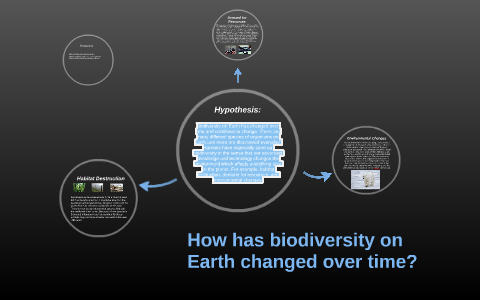
Over eons, the tapestry of life on Earth has unfurled and interwoven various threads of biodiversity—a saga of interconnections, adaptations, and evolution. Yet, this magnificent mosaic is currently under siege. What has transpired over time, and how has this phenomenon impacted the planet’s ecosystems and the entities inhabiting them? This exploration reveals a narrative steeped in both grandeur and despair.
Life on Earth began roughly 3.5 billion years ago, with the first simple organisms emerging in aquatic havens. From these primordial beginnings, a profound evolutionary journey commenced. Through natural selection, species diversified, leading to the emergence of complex life forms. The Cambrian Explosion, approximately 541 million years ago, illustrates this epic advancement, witnessing an unparalleled increase in the variety of organisms. Early multicellular life burgeoned, laying down the foundations for nautical ecosystems that thrived in unison.
However, the inexorable march of time reveals a dual narrative. The planet has witnessed periodic cataclysms that decimated biodiversity, such as the five great mass extinctions. These events forced life to adapt anew, yet they also underscore a chilling reality: extinction is inherent in the biological narrative. The Permian-Triassic Extinction, over 250 million years ago, eradicated 96% of marine species. Such losses highlight an intricate paradox—while evolution crafts astonishing biodiversity, it can abruptly dismantle it as well.
As the ages unfurled, land-based ecosystems blossomed, evolving flora and fauna that proliferated across continents. The emergence of terrestrial life transformed atmospheric compositions and geological landscapes. From colossal conifers to verdant rainforests teeming with vibrant wildlife, biodiversity flourished in a myriad of forms. Each biome became a unique crucible of life, as species adapted to their specific environments, evolving in harmony with one another.
However, the profound expanse of time is now juxtaposed with an alarming contemporary narrative: humanity has become a formidable force, exerting unprecedented influence over the natural world. Since the dawn of the Industrial Revolution, accelerating consumption and expansion have led to habitat destruction, pollution, and climate change. Such anthropogenic activities are now recognized as primary culprits in the ongoing decline of biodiversity. The Global Assessment Report of 2019 by the Intergovernmental Science-Policy Platform on Biodiversity and Ecosystem Services casts a stark portrait—up to one million species face extinction due to human actions.
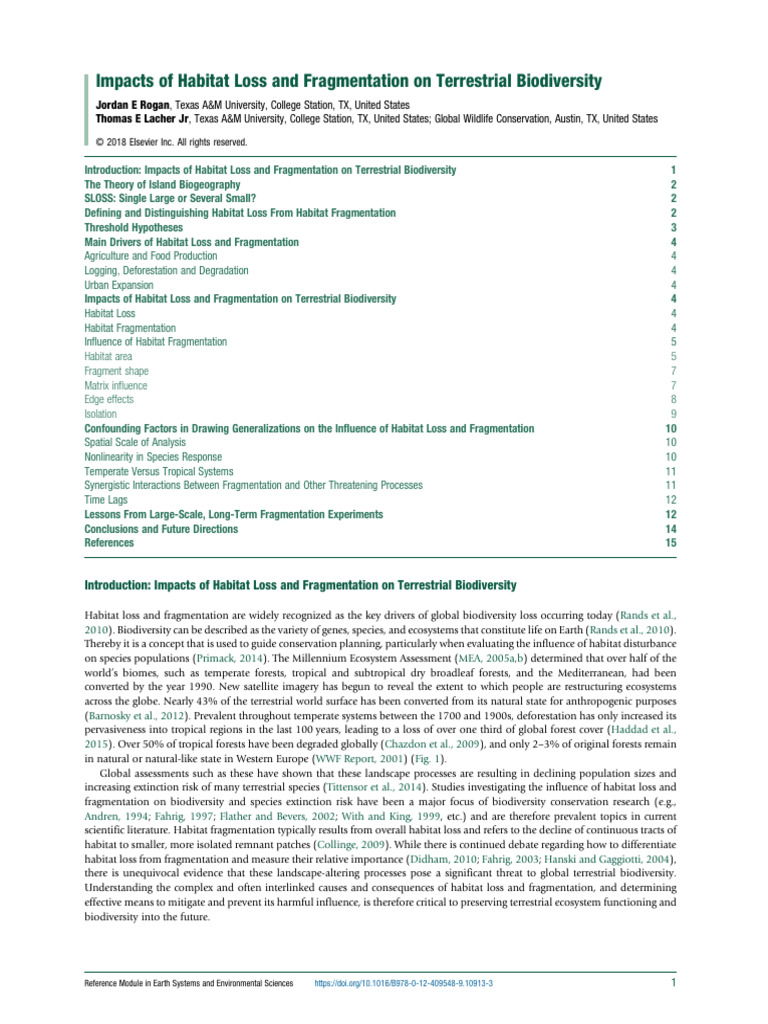
The consequences of habitat degradation are particularly grievous. Deforestation, urbanization, and agricultural expansion obliterate vital ecosystems. Coral reefs, often referred to as the “rainforests of the sea,” are suffering catastrophic declines due to ocean acidification and temperature rises. The intricate relationships that sustain these ecosystems are strained, leading to population declines and the extinction of numerous species. The intricate web of life that once thrived is fraying, as organisms unable to adapt swiftly to these changes find themselves on the brink.
Yet, amidst this somber reality, the story of biodiversity is not solely one of despair. The modern era also heralds a resurgence of awareness and concerted efforts to address the biodiversity crisis. International agreements like the Convention on Biological Diversity aim to foster conservation strategies and promote sustainable practices. Grassroots movements are gaining momentum, urging communities to engage more deeply with their environments. Individuals and organizations alike are cultivating a shift in perspective, recognizing that biodiversity is not merely a backdrop to human existence; it is the foundation of our survival.
Moreover, ecological restoration projects are emerging as beacons of hope. These initiatives strive to revitalize degraded ecosystems, reestablishing their former glory. By rehabilitating lost habitats and contributing to the restoration of native species, these projects illuminate a path forward—a narrative where collaboration with nature can yield restoration and rebirth. This paradigm shift invites an invigorated sensibility; biodiversity is a communal responsibility, one that transcends borders and generational divides.
Furthermore, advances in technology offer innovative solutions to biodiversity conservation. Satellite imagery and data analysis facilitate more effective monitoring of ecosystems, while biodiverse-oriented initiatives harness genetic and ecological research to reintroduce species into their former habitats. Such pursuits not only aim to avert extinction but also rekindle an appreciation for the intricate interdependencies that exist within ecosystems. The wonder of life is linked with the commitment to foster it, both in its diversity and its complexity.
In summary, the trajectory of biodiversity is a tale of remarkable resilience steeped in existential threats. The tapestry of life has ebbed and flowed through epochs, each thread representing its unique story of survival and adaptation. While our current epoch denotes significant challenges, it also embodies a pivotal moment of awakening. The choice rests within humanity’s grasp: to persist along the path of degradation or to emerge as stewards of the natural world. As we collectively choose to embrace and protect the splendid diversity that enriches our planet, we cultivate a richer existence for both ourselves and the myriad forms of life with whom we share this magnificent Earth.









Leave a Comment