In the grand tapestry of life on Earth, biodiversity serves as the ornate embroidery, stitching together ecosystems and creating a vibrant portrayal of existence. Each species plays a critical role, much like threads that come together to form a resilient fabric. However, this intricate artwork is fraying at the seams, revealing the stark reality of biodiversity loss. To understand this unfolding tragedy, we must delve into the root causes that threaten to unravel the very essence of our planet’s biological richness.
The first strand in this narrative of decline is the relentless march of habitat destruction. As humanity expands, we transform verdant forests into concrete jungles, nurturing an illusion of progress. These once-thriving ecosystems, rich with flora and fauna, are now ghostly remnants of what they once were. Deforestation, urbanization, and industrialization act as the proverbial saw, cleaving through habitats with alarming precision. The rainforests of the Amazon, often referred to as the “lungs of the Earth,” are being decimated at an appalling rate. As habitats vanish, so too do the myriad species that call them home, leading to an irrevocable loss of biodiversity.
Next, we encounter the insidious threat posed by climate change, a veritable tempest that casts a long shadow over the future of diverse life. The planet’s temperature is steadily rising, driven by the voracious consumption of fossil fuels and the incessant belching of greenhouse gases. Ecosystems that once thrived under specific climatic conditions find themselves embroiled in an atmosphere of uncertainty. Coral reefs, the vibrant underwater metropolises, begin to bleach as ocean temperatures rise. Species find themselves migrating northward, their very survival hinging on their ability to adapt to these rapid changes. The delicate balance that once held ecosystems together is shattered, further destabilizing the intricate web of life.
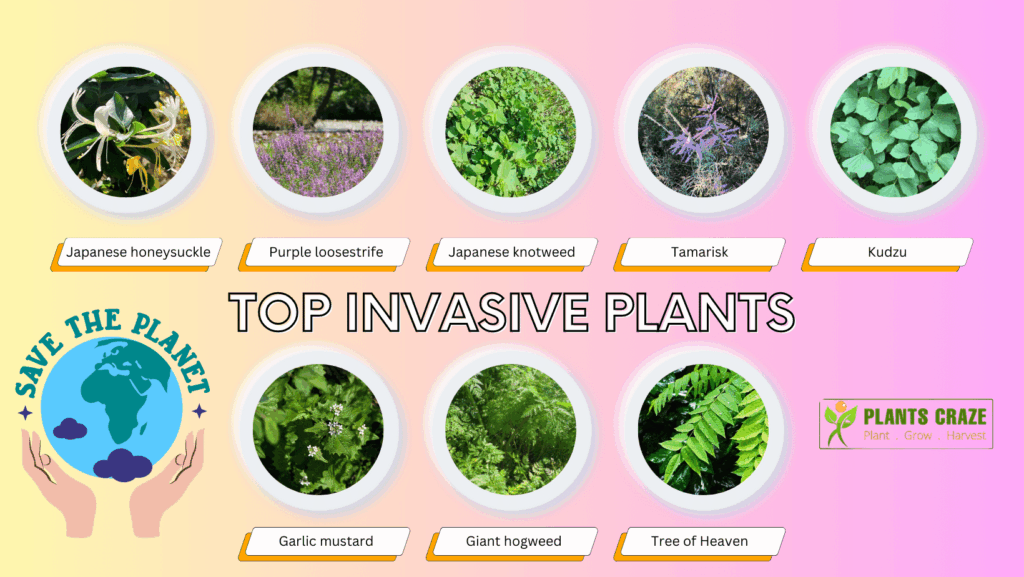
Another critical factor in this dichotomy of existence is the intrusion of invasive species. Nature’s delicate equilibrium is easily disrupted when non-native organisms are introduced into new environments, often through human activity. These interlopers can outcompete, predate, or bring diseases to indigenous species, often leading them to the brink of extinction. The storyline of the brown tree snake in Guam serves as a cautionary tale; introduced accidentally, it decimated the island’s bird populations, forever altering its ecological landscape. Invasive species operate as unwelcome characters, uncoiling the very threads that bind ecosystems together.
Pollution, too, must be acknowledged as a malevolent force in this narrative of degradation. From agricultural runoff suffocating aquatic ecosystems to plastic waste littering our oceans, pollutants wreak havoc on the natural world. Pesticides, laden with toxic chemicals, infiltrate soil and waterways, undermining biodiversity at every level. The reverberations of such contamination extend beyond immediate harm, setting off a chain reaction that ensnares myriad organisms in a lethal web. Wildlife suffers silently, their calls for help drowned out by human indifference and industrial progress.
Human overpopulation exacerbates these concerns, as each additional person contributes to the relentless consumption of resources. The demand for food, water, and land spirals ever upward, leading to unsustainable practices that plunder the Earth’s bounty. The once-abundant wild grasslands are transformed into monoculture farms, reducing genetic diversity among crops and increasing vulnerability to pests and diseases. The kaleidoscope of species that once graced these landscapes is diminished, replaced by a harsh uniformity that threatens resilience.
Economic motivations underpin many of these root causes. The pursuit of short-term profit frequently leads to environmental neglect. Industries often prioritize immediate gains over long-term sustainability, enacting policies that cultivate an ethos of exploitation rather than conservation. The logging, fishing, and agricultural sectors frequently slice through biodiversity, commodifying life without a second thought. This relentless quest for economic advancement forgets that biodiversity is, in itself, an invaluable resource, essential for ecosystem services that support human life.
As we weave through the multiple layers of biodiversity loss, it becomes increasingly clear that a holistic approach is vital. Mitigation efforts must encompass conservation, sustainable practices, and ecological restoration. Reserves and protected areas provide sanctuaries where biodiversity can flourish, sheltered from the encroachment of human activity. Initiatives that promote responsible consumption and the minimization of waste can help restore equilibrium. Education plays a pivotal role in fostering a culture of respect for nature, instilling an understanding that the health of our planet is intimately linked to our own well-being.
The narrative of biodiversity loss serves as both a cautionary tale and a call to action. Each intricate thread of the natural world is vital, and the consequences of untold loss will reverberate across generations. Recognizing the root causes behind this decline allows humanity to understand the path it must forge—a path of ecological integrity rather than exploitation. The time to act is now; the threads of life are straining and fraying, but with concerted effort and unwavering commitment, there is hope for rejuvenation. Together, we can reimagine a future where biodiversity flourishes, a tapestry of life that is vibrant, resilient, and enduring.







Leave a Comment