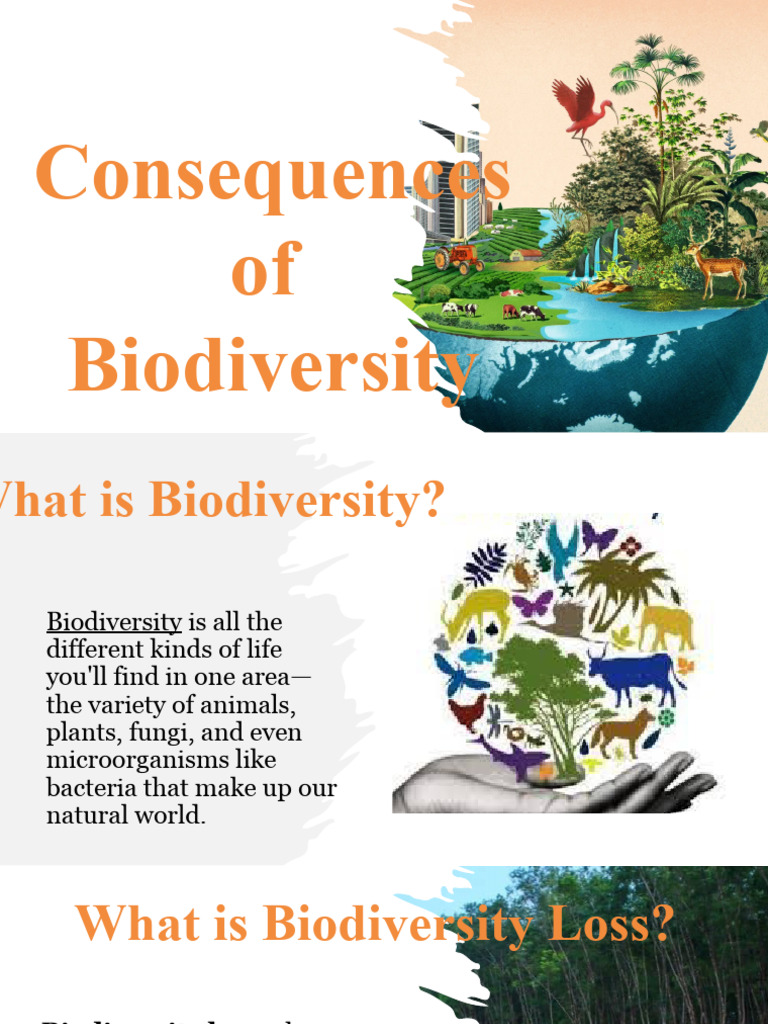
Biodiversity, the intricate tapestry of life that fosters ecosystems and sustains our planet, is a subject of growing concern as various species face severe threats of extinction. This perilous situation is not merely an environmental issue; it has profound implications for both nature and humanity. Understanding the real effects of biodiversity loss requires delving into the interplay between ecological health and human survival.
At its core, biodiversity is the cornerstone of ecosystem functionality. It supports a variety of biological processes that contribute to the production of oxygen, the purification of water, and the regulation of climatic conditions. However, as natural habitats are altered and environmental pressures mount, species vanish at an alarming rate. According to scientists, it is estimated that extinction rates are currently 1,000 times higher than the natural background rate, a phenomenon that demands urgent attention.
One of the most visible effects of biodiversity loss is the degradation of ecosystems. When species are eradicated, a domino effect ensues, disrupting food chains and diminishing ecosystem resilience. Take, for instance, the disappearance of pollinators such as bees and butterflies, which are vital for the reproduction of a vast array of plants. Without these agents, crops wither, and wild flora diminish, leading to a cascading decline in food sources for various organisms, including humans. This poignant example highlights how interconnected and reliant all life forms are upon one another.
The ramifications are not solely ecological; they are acutely economic as well. Agriculture, fisheries, and forestry—the primary sectors of many economies—depend heavily on biodiversity. The loss of diverse species can lower yields and increase vulnerability to pests and diseases, leading to food scarcity and escalating prices. In regions heavily reliant on single-crop farming or monocultures, the stakes are particularly high. By neglecting biodiversity, we gamble with food security, exposing entire populations to hunger.
Moreover, biodiversity loss catalyzes climate change. Ecosystems such as forests and wetlands play pivotal roles in sequestering carbon emissions. When these systems are compromised, stored carbon is released back into the atmosphere, exacerbating global warming. This creates a vicious cycle where climate change further accelerates biodiversity loss, leading to a detrimental feedback loop that threatens life as we know it.
Additionally, the decline of biodiversity strips communities of essential resources. Many indigenous people and local communities depend on a wealth of flora and fauna for medicinal purposes, cultural practices, and sustainable livelihoods. With each species that vanishes, a piece of humanity’s cultural heritage dissipates. The wisdom embedded in traditional interactions with nature—a knowledge system cultivated over millennia—is an invaluable asset that fades when biodiversity is lost.
For many, the psychological connection to nature also diminishes in the wake of biodiversity loss. Studies have shown that exposure to diverse ecosystems has beneficial effects on mental well-being. Nature has an intrinsic ability to rejuvenate the human spirit, providing solace and promoting a sense of connection to the planet. As species disappear, our opportunities for rejuvenation and growth dwindle, leading to an increasing sense of disconnection and despair.
Furthermore, biodiversity plays a crucial role in scientific progress and innovation. The vast genetic diversity encoded in the DNA of various species harbors potential solutions to numerous human challenges, including health crises and climate adaptation strategies. The loss of this genetic reservoir narrows the possibilities for discovering new pharmaceuticals, sustainable agricultural practices, and bioengineering breakthroughs. Nature harbors secrets yet to be unlocked, but with each species extinguished, those secrets are lost forever.
Despite these dire consequences, there lies an opportunity for transformative action. Protecting biodiversity ignites a potential for positive change, fostering resilience in both ecosystems and human communities. Rewilding efforts, sustainable agricultural practices, and the preservation of natural habitats can help counter the entrenched patterns of decline. Emphasizing biodiversity’s value encourages stewardship and a greater awareness of the delicate interplay between life forms and their environments.
Engagement in conservation initiatives can bolster local economies through ecotourism and sustainable resource management. By harnessing the allure of natural environments and promoting biodiversity as an asset, communities can prosper alongside their ecosystems. Education and advocacy also play crucial roles in rallying public support for conservation efforts, as well-informed citizens are more likely to champion policies aimed at halting biodiversity loss.
In conclusion, the loss of biodiversity affects much more than the environment; it strikes at the very heart of human existence, drawing into question our relationship with the natural world. As interconnected beings, we face a choice—to either continue down a path of destruction and neglect, or to embrace the myriad benefits that biodiversity offers. The future of our planet rests on the delicate balance of its ecosystems and the active choices we make today. Embracing biodiversity is not merely an act of preservation; it is a necessary investment in our collective future, ensuring the survival of both nature and humanity as we navigate the complexities of coexistence.








Leave a Comment