
In the theatre of global diplomacy, an enigmatic script has emerged: the Paris Agreement, a landmark accord sealed in 2015, seeks to address one of humanity’s most pressing challenges—climate change. As the clock ticks ominously towards irreversible environmental consequences, understanding the nuances of this agreement becomes an imperative. What if, instead of merely staying informed, we proactively engaged with its implications? Can we rise to the challenge posed by this new era of collective responsibility?
The Paris Agreement, officially adopted on December 12, 2015, during the 21st Conference of the Parties (COP21) in Paris, aims to combat climate change by curbing greenhouse gas emissions globally. This ambitious treaty binds nations to a common goal, yet allows for individual pathways. The overarching objective is to limit the increase in global average temperatures to well below 2°C above pre-industrial levels, while pursuing efforts to restrict the temperature rise to 1.5°C. This dual approach has profound implications for environmental stability and human survival.
But how does this agreement operationalize its lofty goals? At its core, the Paris Agreement functions on a principle of nationally determined contributions (NDCs). Every country, regardless of its economic prowess or historical emissions, commits to formulate, adopt, and uphold plans that detail how it will reduce its carbon footprint and address climate impacts. However, these commitments are not static; countries are encouraged to revise and enhance their NDCs every five years, fostering an environment of progressive ambition.
In addition to emissions reductions, the agreement emphasizes the significance of climate finance. Recognizing that developing nations often possess limited resources to combat climate change, the accord includes crucial provisions aimed at mobilizing financial assistance. Wealthier nations are called upon to deliver $100 billion annually by 2020—an amount that’s intended to assist impoverished countries in their transition toward sustainable development and to bolster resilience against climate change’s adverse effects.
The governing structure of the Paris Agreement is notably decentralized, allowing for a bottom-up approach as opposed to a top-down mandate. This flexibility empowers nations to tailor their strategies to local contexts while fostering a sense of ownership and accountability. Nevertheless, the success of this innovative framework hinges on the commitment of signatory nations—a monumental challenge, since political will can be as fickle as the weather patterns we seek to control.
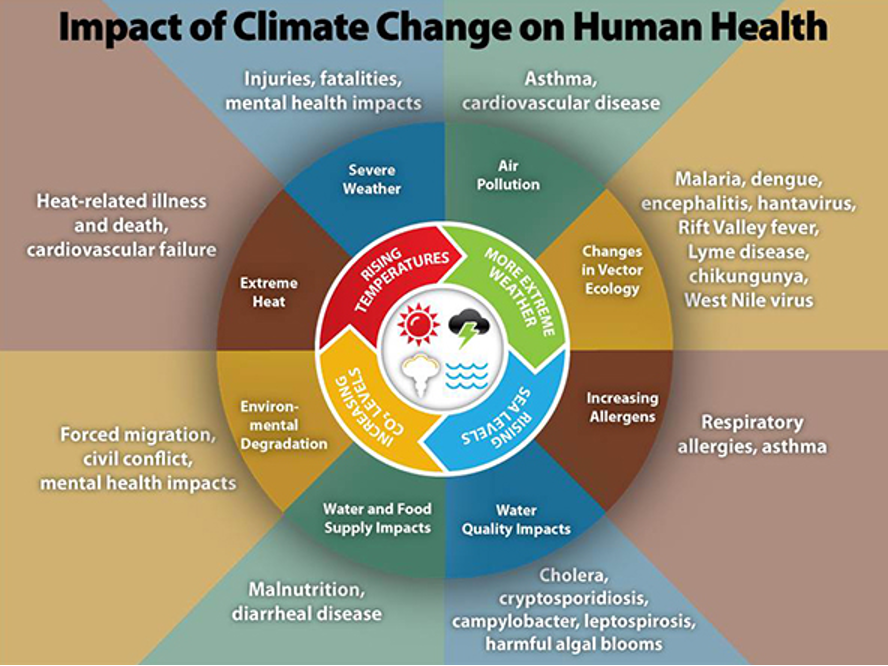
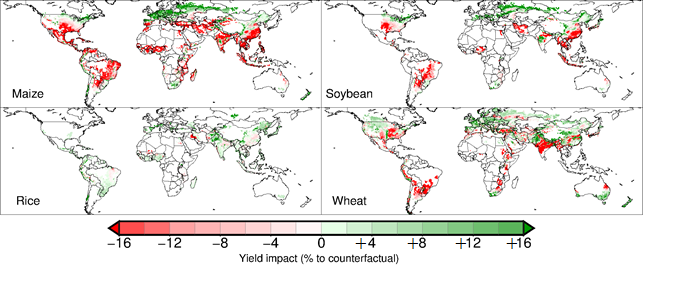
But is the Paris Agreement truly enough to steer global society onto a more sustainable trajectory? The crux of the challenge lies within the intersection of ambition and feasible action. While the framework is laudable, skepticism abounds regarding the adequacy of current contributions to avert catastrophic climate scenarios. Reports consistently indicate that, unless substantial measures are undertaken to accelerate emissions reductions, global temperatures could rise by 3°C or more by the end of the century. Such a trajectory points to devastating consequences: more frequent natural disasters, rising sea levels, and the displacement of millions of vulnerable communities.
In this context, the importance of accountability takes center stage. The Paris Agreement introduces a robust transparency framework, compelling countries to publicly share data regarding their emissions and progress toward NDCs. This transparency not only fosters trust among countries but also serves as a crucible for international pressure; governments are called to act decisively under the scrutiny of their constituents and the global community alike.
Moreover, the agreement acknowledges interconnections between climate change and socio-economic factors. It mandates a comprehensive approach that encompasses adaptation strategies, inclusive economic development, and human rights considerations. This holistic perspective recognizes that climate action cannot occur in a vacuum; it must address underlying issues such as poverty, inequality, and health disparities. In this way, the Paris Agreement aspires not merely to protect the planet, but to promote equitable and just societies.
Yet, what tangible steps can individuals undertake to align with the spirit of the Paris Agreement? Every person has a role to play in this grand narrative. Simple actions—reducing energy consumption, supporting sustainable businesses, advocating for climate policies, and fostering community awareness—construct a mosaic of change. Furthermore, civil society, non-governmental organizations, and grassroots movements serve as critical advocates, bringing forth the voices often overlooked in global dialogues.
As we dissect the Paris Agreement and its implications, one thing becomes unequivocally clear: our world stands at a precipice. The intricacies of climate diplomacy can feel overwhelming, but within this complexity lies the opportunity for constructive engagement. With the Paris Agreement illuminating the path forward, we must ask ourselves: are we willing to confront the collective challenge, or will we allow complacency to dictate our fate?
In conclusion, the Paris Agreement is much more than an international treaty—it is a call to arms for humanity. The stakes are high, and the challenges are formidable. Yet, through collective resolve, strategic action, and relentless advocacy, we can work to manifest a future where the engines of climate change are subdued, and hope reigns supreme. Each of us possesses the power to contribute to this narrative; it’s time to seize it.






Leave a Comment