
In the vast universe of scientific imagery, one photograph stands out with a captivating allure, stirring both the imagination and the intellect. This photograph, rife with intricate details, is not just aesthetically exceptional; it harbors profound implications for our understanding of nature and the universe. But what exactly is this image? How did it come to existence? And why does it matter in the grand tapestry of scientific endeavor?
Let us embark on a journey through the annals of science and art, as we explore the story behind one of the most striking science images ever. Imagine, if you will, a microscopic realm teeming with life and complexity, or perhaps a cosmic vista revealing the vast expanse of the universe. The image in question serves as a thrilling nexus between these two worlds—a representation that invites viewers to ponder the mysteries of existence.
To unravel the essence of this potential masterpiece, we must first recognize that imagery in science serves multiple purposes. It is not merely a tool for documentation but rather a vehicle for storytelling. Each visual representation must encapsulate an idea, an emotion, and, most importantly, a challenge to traditional perspectives. In essence, a captivating image does not just capture the viewer’s attention; it ignites curiosity and prompts inquiry.
This interplay between image and inquiry is where the real magic lies. Consider for a moment that magnificent photograph of the cosmic dance of galaxies or the intricate structures of cellular life. It compels us to ask questions: What is the nature of these galaxies? How do individual cells cooperate to form complex organisms? Each image we look at bears the weight of countless discoveries, each spurring us not just to observe, but to understand.
In looking at the striking imagery, we confront a fundamental challenge: the perceptual filter through which we observe the world. How often do we allow our preconceived notions to hinder our understanding? Science thrives on the disruption of established paradigms. An image that confronts us with its unexpected forms or vibrant colors can shatter those filters, forcing us to reconceptualize our understanding of the world.
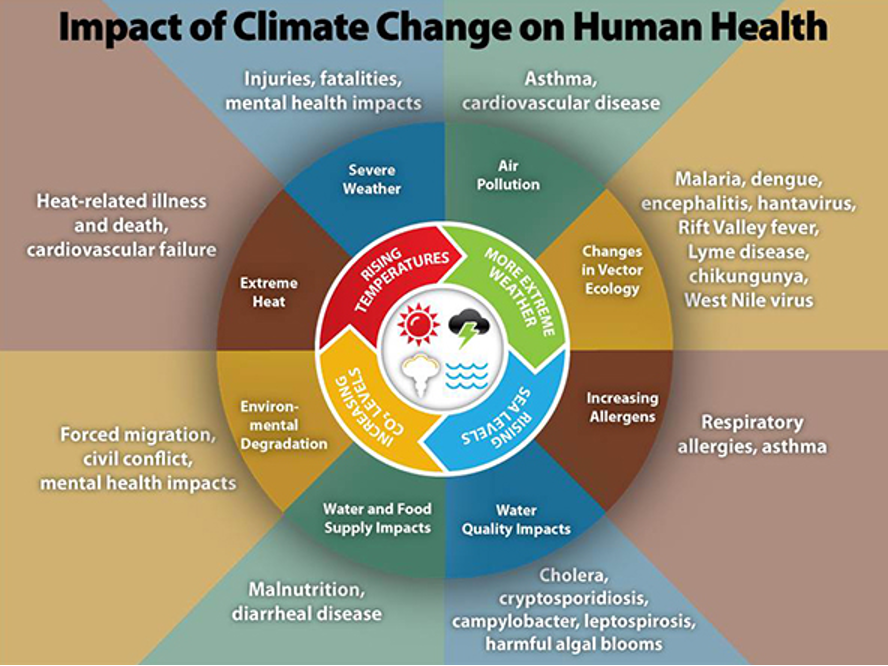
Moreover, the most striking science image often embodies a larger narrative that resonates with contemporary societal issues. Consider the implications of visualizing climate change through striking imagery—melting glaciers, diminishing forests, and the shifting patterns of biodiversity. These images transcend mere documentation; they urge us to consider our role in the world and the urgent need for action.
On the contrary, one might pose a playful question: Are our scientific illustrations becoming too beautiful, too polished, potentially obscuring the harsh realities they depict? When an image is so aesthetically appealing, does it risk becoming a mere spectacle, diverting our attention from the underlying issues at play? It is an existential dilemma that challenges the scientific community to balance artistry with authenticity.
Delving deeper still, the implications of striking imagery extend into the arena of communication. In an era inundated with information, an evocative image can serve as a succinct ambassador of scientific concepts, bridging gaps across diverse audiences. The elegance of a single photograph can evoke sympathy, provoke action, and galvanize change. It becomes a catalyst for dialogue, illuminating the complexities of scientific principles in a manner that is accessible and engaging.
The role of striking imagery in public discourse cannot be overstated. It harnesses the emotive power of visuals, providing an entry point for individuals to connect with scientific topics that may feel distant or daunting. As such, these images can play a critical role in informing policy decisions and fostering community engagement. They transform dense data into poignant narratives that engage the heart as much as the mind.
Furthermore, the journey of creating such compelling scientific imagery is often riddled with challenges. Behind every polished photograph is a cadre of scientists, artists, and communicators grappling with the intricacies of their craft. Technical challenges abound, as do ethical considerations; the risk of misinterpretation looms large. A striking image carries great responsibility, demanding clarity and integrity to ensure that its message resonates genuinely and effectively.
As we navigate through this convergence of art and science, we are compelled to reflect on the very essence of representation in scientific discourse. What stories do we wish to tell through our imagery? Are we leveraging the fullest potential of visual communication to engage with pressing global issues? Striking images can serve as poignant reminders of our collective responsibility towards the environment and humanity.
Ultimately, the most striking science image is not merely a beacon of beauty; it embodies a myriad of challenges and opportunities. It urges us to question, to engage, and to advocate for our planet and its inhabitants. Within its frame lies a call to action that resonates across disciplines and communities. The question then is not just whether we can capture such an image—which, in truth, we can—but rather, how we will respond to the stories these images tell and the challenges they pose. As stewards of knowledge and advocates for change, it is our prerogative to ensure that the artistry of science remains a powerful force for good in shaping the future.









Leave a Comment