Freshwater and marine environments are crucibles of unparalleled diversity; they host a myriad of species, each intricately woven into the tapestry of life. Yet, as we delve into the deep, poetic layers of aquatic ecosystems, we uncover unsettling realities that threaten their existence. The fragility of these habitats and the creatures within them faces not just a single threat, but a cacophony of challenges that continuously erode their resilience. This article seeks to illuminate the major threats facing aquatic biodiversity today, revealing the interconnectedness of these issues and the broader implications for our planet.
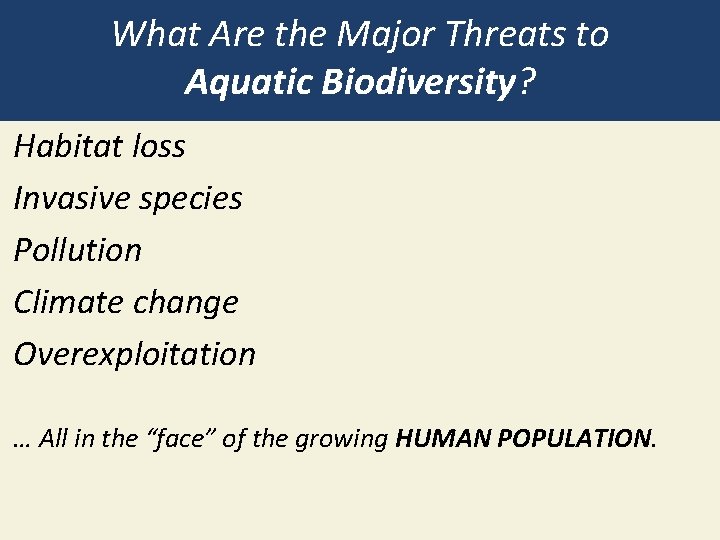
The phenomenon of climate change looms large, casting a long shadow over aquatic ecosystems. Rising global temperatures result in warmer waters, which have grave repercussions for marine life. Coral reefs, often described as the rainforests of the sea, are particularly vulnerable; their delicate symbiosis with zooxanthellae is disrupted, leading to coral bleaching and, ultimately, the collapse of these biodiverse havens. Furthermore, altered rainfall patterns and increased evaporation rates exacerbate issues related to freshwater availability, directly impacting riverine and lacustrine ecosystems. The delicate balance of aquatic life, honed over millennia, is disturbed as both temperature and salinity levels fluctuate beyond the thresholds that many species can endure.
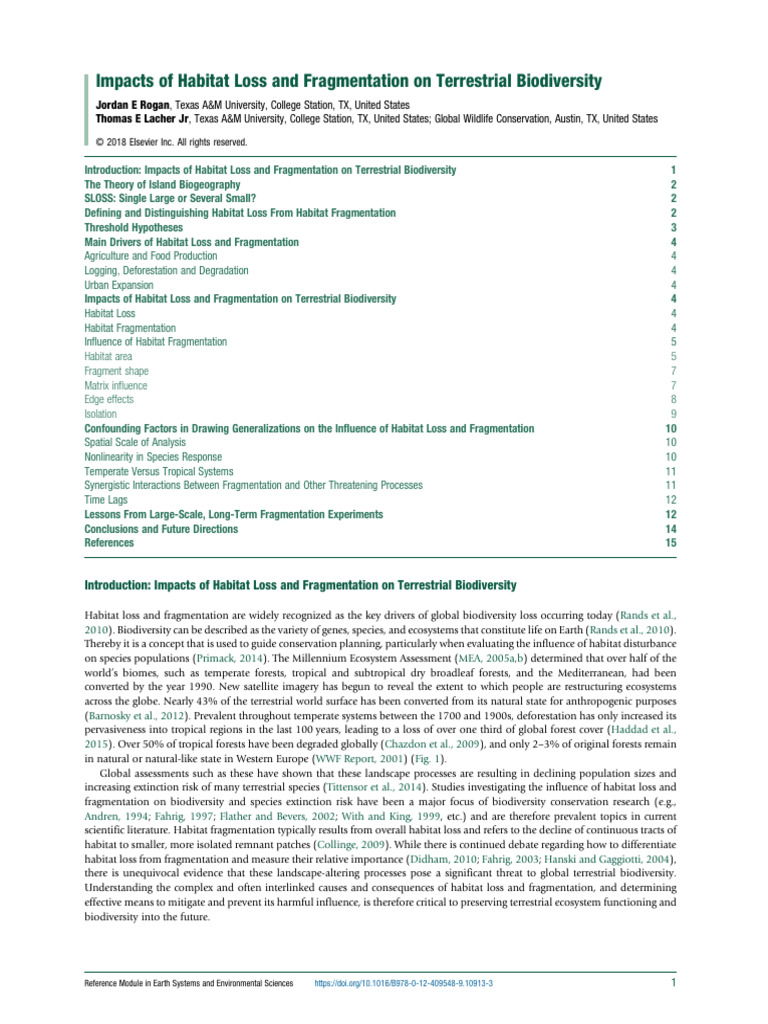
Alongside climate change, the encroachment of human activity into natural habitats represents a significant threat. Urbanization and agricultural expansion encroach upon riverbanks and lakeshores, leading to habitat degradation. Wetlands, often dubbed the kidneys of our landscapes, are drained and filled for development or agriculture, eliminating crucial nurseries for countless species. Coastal ecosystems, such as mangroves and salt marshes, face similar denudation. As these habitats vanish, not only do local species suffer extinction or population decline, but the ecological services they provide—including carbon sequestration, flood mitigation, and water filtration—are also lost, further compromising ecosystem health.
Pollution, a veritable scourge on aquatic environments, continues to be an unrelenting force that threatens biodiversity. The chemical runoff from agricultural fields introduces a host of fertilizers and pesticides into waterways, resulting in toxic environments that can decimate fish populations and disrupt food chains. Heavy metals from industrial waste can accumulate in the tissues of aquatic organisms, leading to bioaccumulation and biomagnification. This not only endangers the species as they navigate their increasingly contaminated realms but also poses dire risks to human health as toxins seep into our food systems through the very fish we consume. Plastic pollution compounds these problems, as microplastics infiltrate the bodies of aquatic organisms, fundamentally altering their biological functions and reproductive capabilities.
The unregulated and often unsustainable practices of fishing exacerbate the crisis facing aquatic biodiversity. Overfishing has reduced fish populations to perilous levels; species that once thrived in abundance are now teetering on the brink of collapse. The insatiable demand for seafood fuels practices such as bottom trawling, which devastates seabeds and non-target species alike. Bycatch is an inevitable consequence of these methods, resulting in the unintended capture and death of countless marine organisms. Additionally, the use of destructive fishing gear modifies habitats, further eroding biodiversity and compromising the ecological balance within these marine environments.
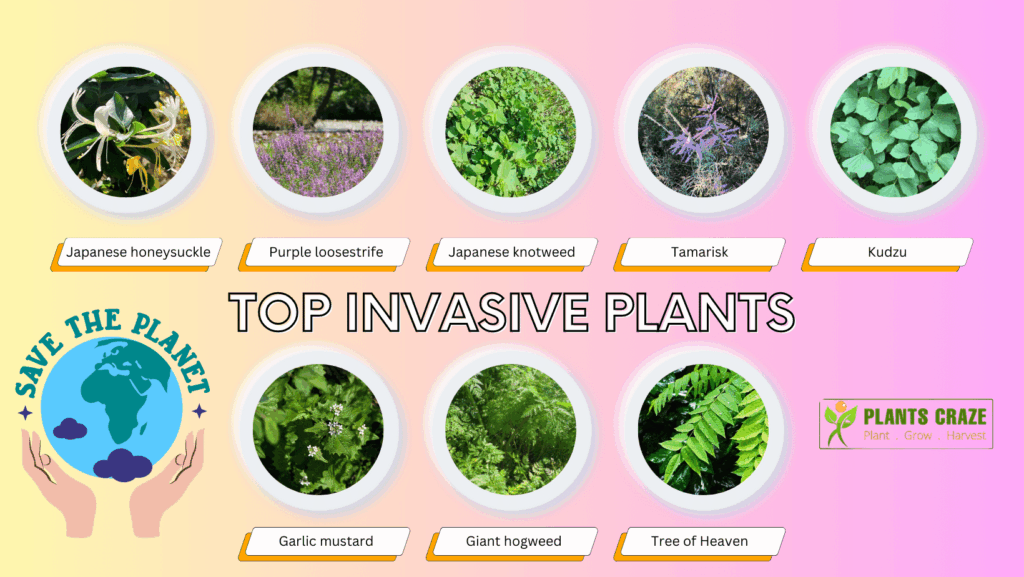
Invasive species represent another vexing challenge to aquatic ecosystems. When alien species are introduced—whether intentionally or accidentally—they often disrupt the existing dynamics of local flora and fauna. These invaders can outcompete native species for limited resources, sometimes leading to localized extinctions. The presence of invasive species can also alter habitat structure, nutrient cycling, and predator-prey relationships, rendering ecosystems unrecognizable to native organisms that have historically thrived in those conditions. The delicate equilibrium that once existed is often irretrievably altered, with cascading effects throughout the food web.
Another facet of this multifaceted crisis is the burgeoning trend of ocean acidification, a direct consequence of increased carbon dioxide levels in the atmosphere. As CO2 is absorbed by the oceans, it reacts with seawater to form carbonic acid, lowering pH levels. This phenomenon has deleterious effects on calcifying organisms, such as mollusks and corals, disrupting their ability to build shells and skeletons. Such changes not only threaten these species but ripple through entire ecosystems, impacting numerous trophic levels and ultimately endangering food security for human populations reliant on these marine resources.
Comprehension of these threats to aquatic biodiversity compels one to consider the underlying literary notion of interconnectedness. Each threat—climate change, habitat degradation, pollution, overfishing, invasive species, and ocean acidification—does not stand alone; they are intricately interwoven, composing a narrative of crisis. The shared fate of our planet is encapsulated in the tales of countless aquatic species, resonating with our own existence. As stewards of this Earth, it is incumbent upon us to advocate for sustainable practices, galvanize efforts for restoration, and foster an enduring commitment to preserving the rich, irreplaceable tapestry of aquatic biodiversity.
In conclusion, the cumulative impact of these myriad threats serves not only as a clarion call for action but also illustrates the profound and intricate bonds between all life forms. The preservation of aquatic biodiversity is not merely an environmental concern; it is a moral imperative that extends to future generations. A healthier planet is predicated upon the vitality of its ecosystems; it is our responsibility to ignite a movement that honors this connection, ensuring that the vibrant stories of aquatic life continue to be told for generations to come.









Leave a Comment