Biodiversity is not merely a collection of species coexisting; it is the intricate tapestry of life that sustains the very fabric of our planet’s ecosystems. As such, understanding the looming threats to global biodiversity is imperative. Beneath the surface of beautiful landscapes and vibrant wildlife lies a narrative fraught with peril—one that calls for urgent attention. In this discussion, we delve into five of the most insidious threats that undermine our global biodiversity, urging a shift in perspective to foster greater awareness and action.
1. Habitat Loss and Fragmentation
Habitat loss stands as a monumental force against biodiversity. Driven primarily by urban development, agriculture, and deforestation, vast swathes of the planet’s ecosystems are being dismantled at an alarming rate. As natural habitats are obliterated, the intricate webs of life they support unravel, leading to cascading effects on local species. When habitats are fragmented, populations become isolated, reducing genetic diversity and increasing vulnerability to extinction.
Moreover, the relentless expansion of infrastructure results in ecological islands—small patches of habitat surrounded by inhospitable landscapes. Species that once thrived in a rich, interconnected habitat now find themselves in precarious situations, struggling to survive. The shifting balance of these ecosystems can lead to the loss of vital services that they provide, such as pollination, nutrient cycling, and climate regulation.
2. Climate Change
Climate change is arguably one of the most pervasive threats confronting biodiversity. It alters temperature and precipitation patterns, causing disruptions that species often find difficult to navigate. As the climate warms, many species are forced to migrate to more suitable habitats, yet not all can keep pace with the rapid changes. Those that remain face altered food webs and changing interspecies relationships, often leading to mismatches in the timing of food availability and reproductive cycles.
The oceans are not exempt from this deluge of change. Coral bleaching, the result of rising sea temperatures, decimates reef ecosystems that are home to a myriad of species. The repercussions extend beyond marine life; entire fishing industries are at risk, jeopardizing food security for millions. Moreover, altered climates can facilitate the spread of invasive species, further complicating the survival of native species already under duress.
3. Overexploitation
Humanity’s insatiable appetite for resources manifests in overexploitation, which has far-reaching consequences for biodiversity. From overfishing in our oceans to the poaching of iconic species such as elephants and rhinoceroses, the drive for short-term gain often leads to long-term ecological imbalance. Overexploitation can trigger population declines, pushing species closer to the brink of extinction.
The unsustainable harvesting of plants and animals not only depletes species at alarming rates but also disrupts ecological processes crucial for the health of ecosystems. As certain species vanish from their environments, the intricate relationships that have evolved over millennia begin to fray, leading to ecosystem collapse. The very resilience that sustains these systems falters, making recovery increasingly difficult.
4. Pollution
Pollution, widespread and insidious, infiltrates ecosystems both terrestrial and aquatic, presenting a multifaceted threat to biodiversity. Contaminants such as plastics, heavy metals, and pesticides compromise the health of species and their habitats. The repercussions of pollution extend far beyond the immediate vicinity of contaminated environments; toxic substances can bioaccumulate in food chains, eventually affecting apex predators—including humans.
The degradation of air quality impacts species that rely on unpolluted environments for their survival, while waterways choked with plastics and chemicals deliver devastating blows to aquatic life. Species struggling under the burden of pollution suffer from impaired reproductive health, increased susceptibility to disease, and diminished population resilience. When ecosystems falter, humanity faces the dire consequences of lost ecosystem services, from clean water to pollination.
5. Invasive Species
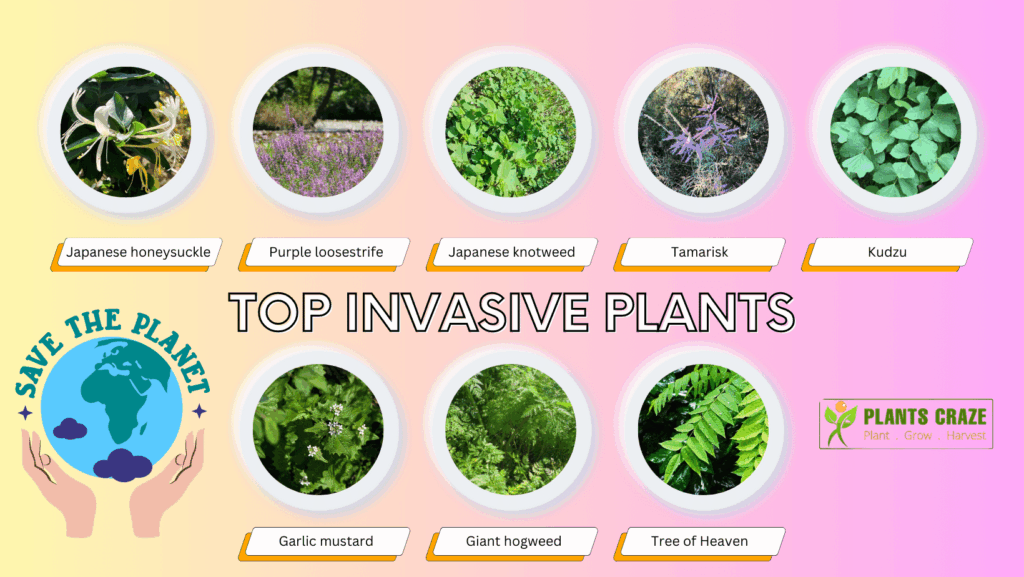
The introduction of non-native species, whether intentional or accidental, can wreak havoc on local ecosystems. Invasive species often outcompete native species for resources, leading to declines or even extinction of indigenous populations. The delicate balance of ecosystems shifts as these invaders establish themselves, often thriving due to a lack of natural predators.
Invasive species can drastically alter habitat structure, nutrient cycling, and species interactions, resulting in a loss of biodiversity and the degradation of ecosystem functions. Their proliferation exemplifies the interconnectedness of global ecosystems, illustrating how actions taken in one part of the world can reverberate across continents. Curbing the spread of invasive species demands concerted global efforts, as the battle against them is as much about preventing their introduction as it is about managing existing populations.
In conclusion, the sanctity of global biodiversity hangs in a precarious balance, threatened by a confluence of human activities and ecological changes. Recognizing the threats posed by habitat loss, climate change, overexploitation, pollution, and invasive species is the first step toward fostering a more sustainable relationship with our planet. Each of us holds the opportunity, and perhaps the responsibility, to advocate for conservation efforts and support sustainable practices. Only through collective action can we hope to stem the tide of biodiversity loss and preserve the rich tapestry of life for future generations.







Leave a Comment