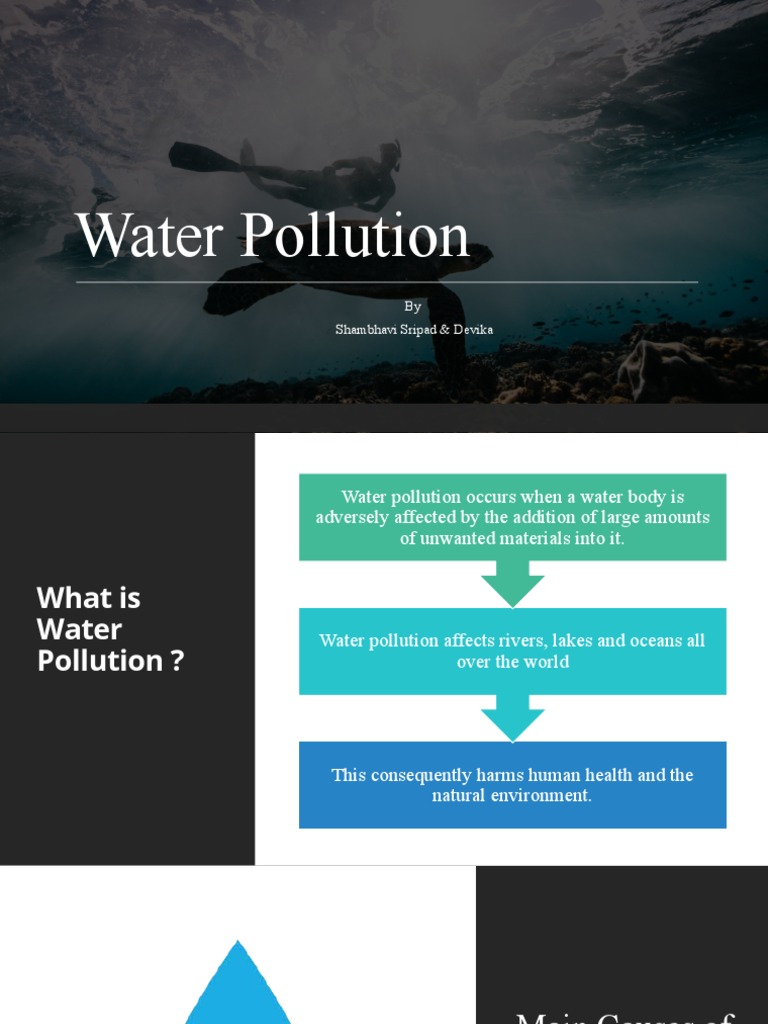
Water, the lifeblood of our planet, flows through ecosystems like an intricate network of veins, sustaining life in its myriad forms. Yet, this invaluable resource faces a grave threat: pollution. The environmental impact of water pollution is profound, transforming pristine rivers into chemical-laden streams, and turning vibrant lakes into lifeless cesspits. As we delve into this critical issue, we shall explore the origins of water pollution, its ramifications on ecological sanctuaries, human health, and ultimately, the very fabric of our societies.
To understand the environmental impact of water pollution, one must first reckon with its sources. Pollutants are akin to unwelcome guests at a meticulously curated banquet; they arrive from a myriad of origins: agricultural runoff, industrial discharge, urban sewage, and even domestic waste. Fertilizers and pesticides, when washed off fields during rainstorms, seep into aquatic systems, leading to algal blooms that often suffocate aquatic life. These blooms are deceptive, at first appearing as patches of vibrant green that overlook the malignancy within, ultimately robbing underwater fauna of essential oxygen. As these organisms die, the scales of the ecosystem tip, resulting in extensive fish kills and ecological collapse.
Industrial facilities, with their colossal machinery and formidable outputs, often contribute significantly to the degradation of water bodies. Heavy metals and toxic chemicals, intentionally or inadvertently released, do not merely pollute; they insidiously infiltrate the food web. Fish exposed to contaminants like mercury bioaccumulate these hazardous substances, which subsequently ascend the trophic pyramid to perch on the dinner plates of humans—who, in their unwitting consumption, invite potential health crises into their lives.
But the repercussions of water pollution extend far beyond aquatic organisms. The nexus between clean water and human health is unfathomably tight. Contaminated drinking water serves as a harbinger of numerous diseases, with millions of people—particularly in developing nations—succumbing to waterborne ailments such as cholera and dysentery. The detrimental economic repercussions are equally alarming; the healthcare costs attributed to polluted water are staggering and often spell doom for developing economies. In this ceaseless cycle, poor communities, already marginalized by socio-economic barriers, find themselves further entombed in poverty as they grapple with the devastating effects of polluted drinking water.
Moreover, the ecological ramifications of water pollution span the spectrum of biodiversity loss. Aquatic life, once a rich tapestry of species, dwindles as ecosystems become increasingly inhospitable. Endangered species, like the majestic sturgeon, witness their habitats obliterated by pollution that chokes river systems and obliterates spawning grounds. This loss of biodiversity is not just an ecological tragedy but a harbinger of broader environmental dysfunctions. Each organism extinguished represents a fragment of our rich biological heritage, an irreplaceable cog in the intricate wheel of life.
The severity of water pollution’s environmental impact begs a broader examination of its role in climate change. Contaminants disrupt the delicate balance of ecosystems, which plays an essential role in carbon sequestration. Wetlands, often denigrated as mere wastelands, serve as crucial carbon sinks; yet, when these vital ecosystems are polluted, their ability to mitigate climate disruption diminishes. The interconnections among air, water, and soil pollution become glaringly evident, presenting a multi-faceted crisis that must be tackled holistically.
Fortunately, amid these dire consequences, a flicker of hope remains. Technological innovations and community-led initiatives serve as beacons of resilience. Wastewater treatment plants are being designed with enhanced efficiency, specifically targeting harmful pollutants to restore aquatic ecosystems. Additionally, bioremediation, utilizing microorganisms to degrade contaminants, has emerged as a promising solution for restoring polluted environments. On the grassroots level, communities around the globe mobilize, advocating for cleaner practices and sustainable water use. Education and awareness have become potent tools in the fight against pollution, as individuals recognize their role in safeguarding this precious resource.
In the face of such a profound challenge, it is imperative to foster a symbiotic relationship between humanity and nature. The call for policy changes, stricter regulations on industrial discharges, and innovative agricultural practices resonate with urgency. Each drop of water carries with it an implicit story—a tale of life, death, resilience, and fragility. Just as the pollution of our waters is an affront to our existence, the revival and protection of these precious ecosystems will serve as a testament to our commitment to the planet. It is a moral imperative that we stand as stewards of the earth, nurturing our resources as we strive to quench our insatiable thirst for progress.
Ultimately, understanding the environmental impact of water pollution is but the first step in a long journey toward restoration. As global citizens, we must comprehend that the liberation of our water systems from the grip of pollution demands concerted effort, innovative thinking, and above all, an unwavering respect for the delicate balance of life. For every drop of pristine water, there lies the promise of rejuvenation—a promise that, if nurtured, will yield bountiful returns for generations to come.









Leave a Comment