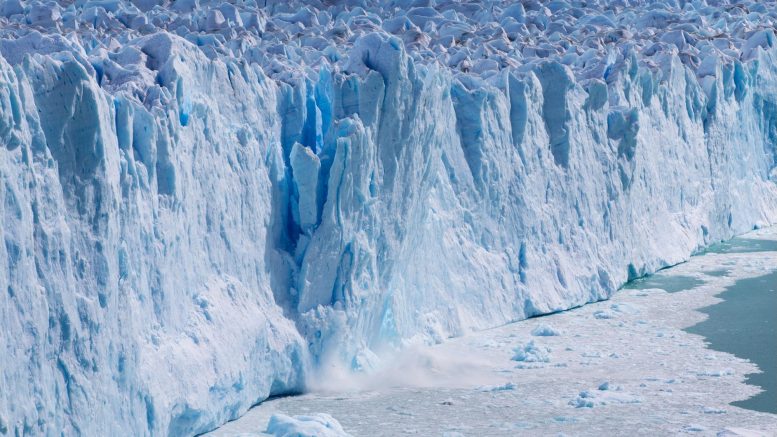
Antarctica, a vast and forbidding expanse of ice, harbors numerous glaciers, each with its own story, secrets, and implications for the global climate. Among these is the Thwaites Glacier, ominously dubbed the “Doomsday Glacier.” This moniker does not merely invoke hyperbole; the consequences of its collapse could be dire, triggering a domino effect of ecological and societal changes. In this exploration, we delve into the critical aspects surrounding the Thwaites Glacier, its alarming instability, and the global ramifications that its eventual demise may herald.
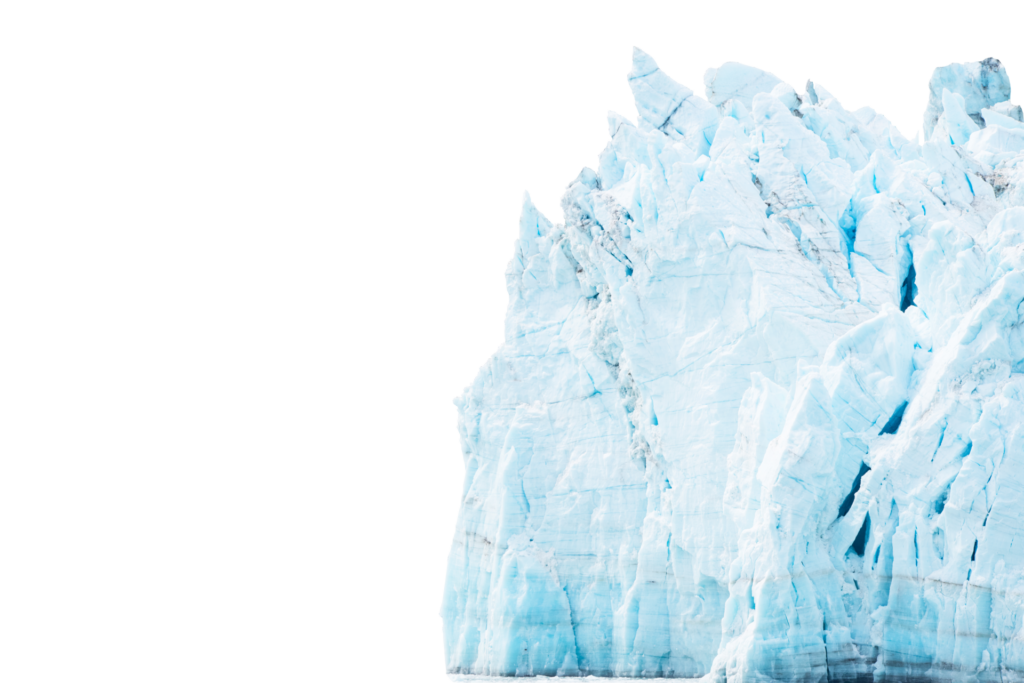
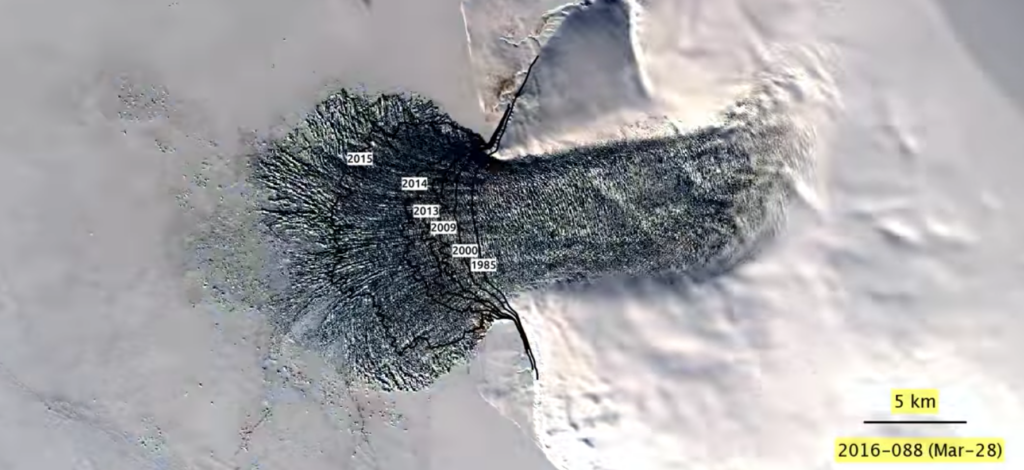
Firstly, it is essential to understand what renders the Thwaites Glacier so precarious. Located in West Antarctica, this glacier is approximately the size of Florida. It serves as a linchpin for surrounding ice masses, holding back extensive ice reserves that could otherwise contribute to worldwide sea-level rise. The dynamic interaction between the ocean and the glacier, particularly undercurrents that warm the ice from below, has been under scrutiny. These warm waters erode the glacier’s ice shelf, making it increasingly vulnerable to catastrophic collapse.
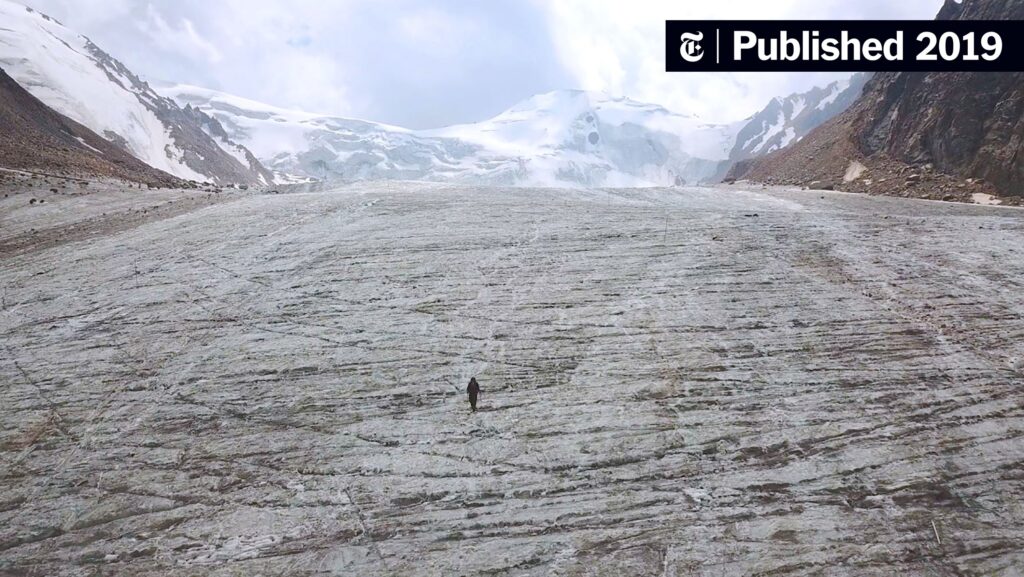
In recent decades, scientists have observed significant accelerations in the glacier’s flow. This phenomenon is not just an isolated incident; it is part of a broader trend observed in many glaciers across Antarctica, which are inextricably linked to climate change. The underlying arithmetic is troubling: as temperatures rise, the melting accelerates. This vicious cycle suggests that the more the ice melts, the faster it will continue to do so. The consequences of such rapid disintegration are hard to fathom.
What does it mean for global sea levels if Thwaites falters? Current projections estimate that its collapse could lead to a rise in sea levels by over three meters, if not more, by the end of the century. This is not a mere inconvenience for coastal cities. Major urban centers such as New York, Miami, and Tokyo sit at the mercy of rising waters. Their infrastructures have not been designed to endure such radical changes. The scale of displacement could potentially be unprecedented, generating millions of climate refugees and igniting geopolitical strife over diminishing habitable land.
But the ramifications of Thwaites Glacier’s collapse extend beyond mere measurements of sea elevation. The ripple effects permeate various ecological and social frameworks. Coastal ecosystems, which rely on the balance between land and sea, face annihilation. Mangroves and salt marshes, crucial for carbon capture and habitat provision, would succumb to the encroaching tides. The intricate web of life that thrives in these areas would unravel, causing a cascade of extinction events that could impede vital ecological services.
Moreover, the socio-economic repercussions would be profound. From increased insurance costs to disrupted supply chains, the financial implications could destabilize entire regions. Adapting to rising seas involves substantial investments in infrastructure to protect or elevate existing urban landscapes, leaving less economically resilient communities vulnerable. Without an enhanced commitment to sustainability and adaptation strategies, the gap between affluent and impoverished nations could exacerbate dramatically, leading to socio-political volatility.
The Thwaites Glacier’s fate is intertwined with international collaboration and action against climate change. A concerted global response is essential. This is not simply about resource allocation; it requires a paradigm shift in how we view our relationship with the environment. The urgency of investing in renewable energy, improving energy efficiency, and embarking on reforestation initiatives becomes even more pronounced in the context of the looming threat posed by Thwaites.
The scientific community is racing against time to better understand the Thwaites Glacier. Ongoing research endeavors employing sophisticated models and technology aim to predict the glacier’s future behavior more accurately. Monitoring its dynamics helps paint a clearer picture of the potential for its collapse. These efforts not only inform policy but also highlight the necessity of education and raising awareness within the public sphere.
To bridge the gap between scientific inquiry and public comprehension, communication is key. Educators and activists alike are crucial players, mission-driven to disseminate this knowledge. Open forums, engaged discussions, and interactive platforms can spur curiosity and drive the conversation forward. The Thwaites Glacier, thus, emerges not just as an ice mass— it becomes a symbol of the collective challenge humanity faces. Engaging the masses in dialogues about climate resilience and sustainability will be vital in mobilizing action.
In conclusion, the doomsday implications of Thwaites Glacier’s disintegration serve as a clarion call for immediate action. Understanding its precarious position in our global ecosystem should awaken us to the urgency of our current climate crisis. Beyond statistics and projections, we must cultivate a greater sense of environmental stewardship, fostering innovative solutions. The glacier’s eventual demise does not need to be an inevitability; it can become a catalyst for transformative change. By nurturing a deeper relationship with our planet, we can strive to mitigate the potential catastrophes that lie ahead.
As we navigate through the complexities of climate change, remember that the fate of the Thwaites Glacier is inextricably linked to our own. The time for action is now, before the ice begins to crack under the weight of our indifference.




Leave a Comment