In the intricate tapestry of our planet, biodiversity acts as the cornerstone of ecological stability. Yet, this vital manifestation of life is waning at an alarming rate. The compelling narrative of biodiversity loss unfolds through various interwoven threads—each thread a cause, each cause a precursor to further decline. Understanding the genesis and ramifications of these changes beckons a shift in perspective and calls for urgent action.
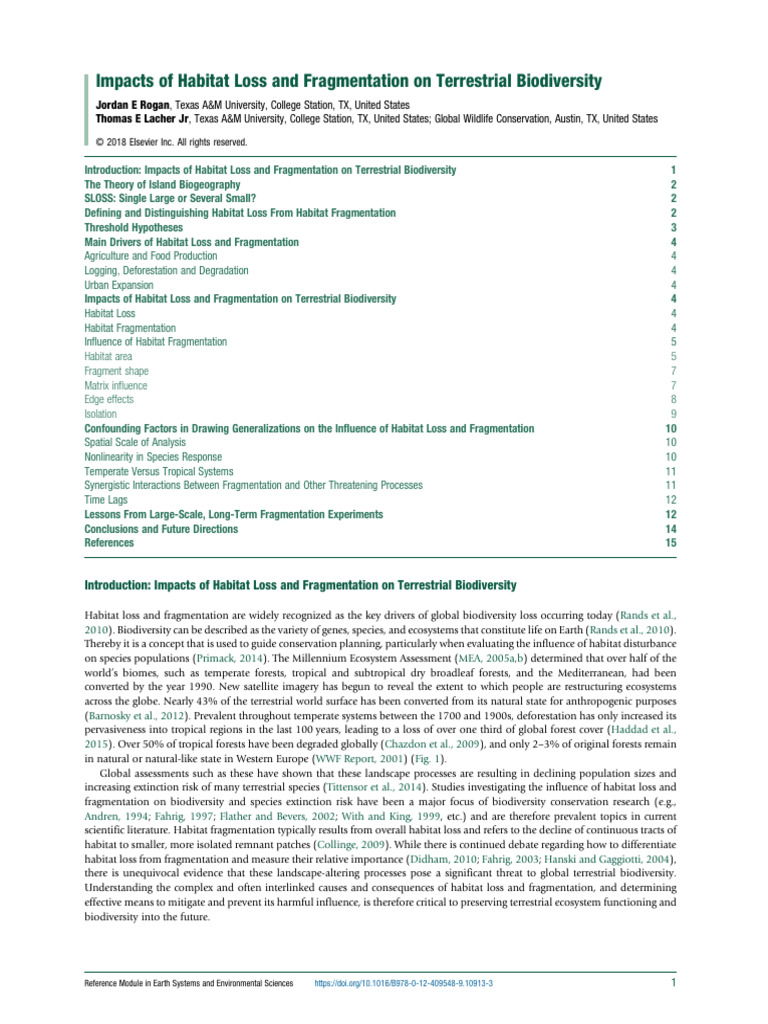
At the forefront of the causes of biodiversity loss is habitat destruction. This phenomenon primarily stems from human activities, particularly urbanization, agriculture, and deforestation. As societies burgeon and expand, natural landscapes are obliterated to make way for infrastructure, monocultures, and livestock grazing. Wetlands, forests, and grasslands, which are teeming with life, are transformed into lifeless expanses of concrete or uniform crops. Each loss is not merely a subtraction of a species; it is a depletion of ecosystem services, from carbon sequestration to water filtration, that supports human existence.
Another insidious cause is climate change, a byproduct of industrialization and fossil fuel consumption. The increasing concentration of greenhouse gases in the atmosphere has invoked dramatic shifts in weather patterns, leading to habitat alteration. For example, coral reefs—often referred to as the rainforests of the sea—are disintegrating due to rising ocean temperatures and acidification. Terrestrial species, too, are migrating, adapting, or facing extinction as their fragile ecosystems metamorphose before their very eyes. The shifting climatic conditions render certain habitats inhospitable, compelling species to either adapt at an accelerated rate or face extinction’s cruel grip.
Pollution represents yet another formidable foe in the battle against biodiversity. The rampant discharge of chemicals, plastics, and waste into natural environments devastates ecosystems. Aquatic life suffers immensely from toxins and microplastics, leading to bioaccumulation in food chains that eventually affect human health. Terrestrial ecosystems, similarly beset by pesticide runoff and heavy metals, witness declines in species that fail to withstand such environmental pressures. Each toxic spill, each non-biodegradable piece of plastic, chokes the life out of ecosystems, gradually but inexorably leading to biodiversity loss.
Overexploitation of natural resources cannot be ignored in this discourse. Unsustainable fishing practices deplete marine populations faster than they can replenish, while poaching and illegal trade threaten iconic species such as elephants and rhinoceroses, driven by the insatiable demand for ivory and exotic pets. This relentless harvesting exemplifies a grave disconnect between human aspirations and ecological balance, with mortal consequences for both flora and fauna.
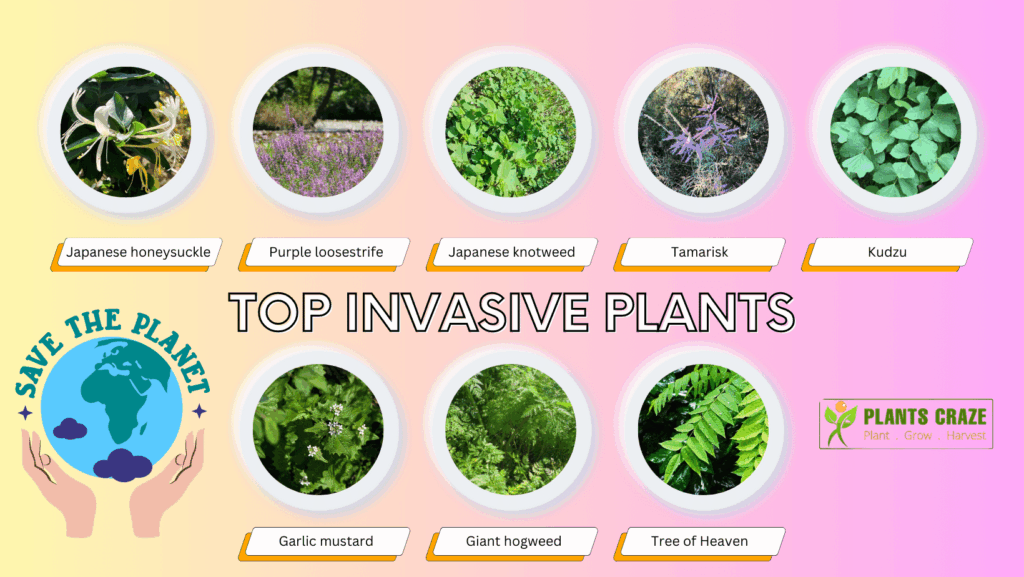
Invasive species further complicate the landscape of biodiversity loss. When foreign organisms—whether plants, animals, or pathogens—arrive in new environments, often through human activity, they can outcompete native species for resources, leading to declines in indigenous populations. Notably, the introduction of the brown tree snake in Guam resulted in the extinction of numerous native bird species. The invasion of non-native species can catalyze a series of ecological disruptions, threatening the delicate balance that sustains biodiversity.
As these causes coalesce, their effects become starkly evident. The most overt consequence of biodiversity loss is extinction. Not merely a loss of individual species, extinction reverberates through ecosystems. Each species plays a unique role, contributing to functions such as pollination, seed dispersal, and habitat formation. The extinction of a single species can trigger a domino effect, undermining the intricate interdependencies in nature. The International Union for Conservation of Nature (IUCN) reports that over one million species are at risk of extinction—a somber testament to the urgency of the matter.
Furthermore, biodiversity loss leads to diminished ecosystem resilience. Ecosystems with high biodiversity are typically more robust and better equipped to withstand environmental stresses such as disease, climate fluctuations, and invasive threats. Conversely, ecosystems stripped of their diversity become brittle, more susceptible to collapse. This fragility threatens not only wildlife but also the human populations reliant on these natural systems for sustenance and livelihoods.
The ramifications extend beyond environmental degradation; biodiversity loss has profound socio-economic implications. Many communities, particularly those in developing regions, derive their livelihoods from ecosystems—through agriculture, fishing, and tourism. As biodiversity declines, so too do these livelihoods, exacerbating poverty and inequality. The intricate web of life sustains cultural identities, traditions, and ways of life. The erosion of biodiversity consequently erodes cultural heritage, thrilling into silence age-old stories and practices closely tied to the natural world.
One must also consider the intrinsic value of biodiversity; it underpins our planet’s health and our very existence. The potential for medical breakthroughs often lies in the genetic diversity of flora and fauna. A myriad of pharmaceuticals originates from compounds found in plants or animals. As species disappear, so too may the cures we have yet to discover. The loss of biodiversity is not merely an environmental crisis; it is a humanitarian one, with consequences stretching far into the future.
In conclusion, the entwined causes and effects of biodiversity loss magnify the message that the time for action is now. Understanding this complex narrative is essential for cultivating a sense of stewardship towards our planet. Only through collective awareness and commitment can humanity rekindle a harmonious relationship with nature, ensuring that the intricate threads of life continue to weave the fabric of our world for generations to come.







Leave a Comment