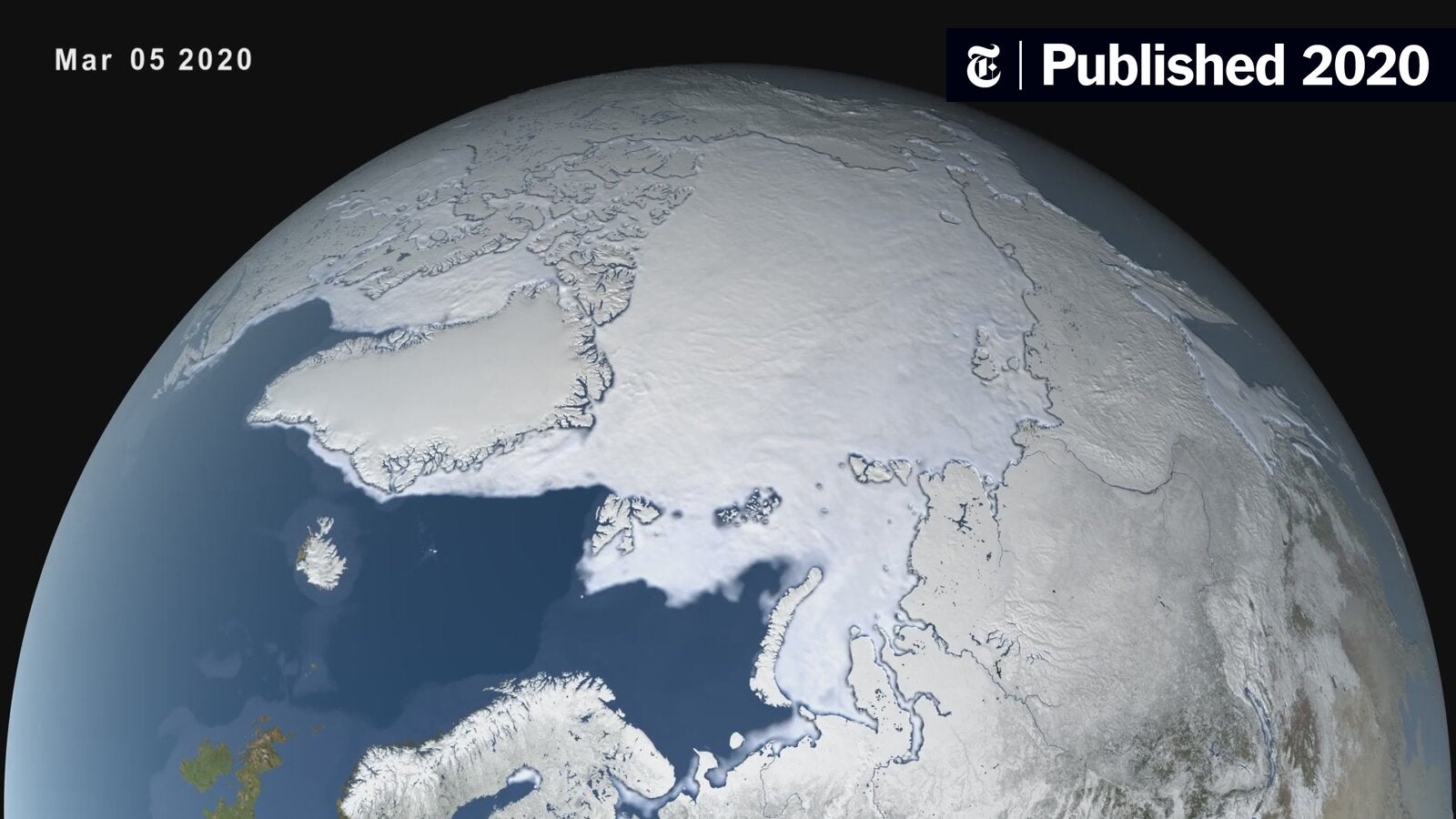
The Arctic region, a pristine expanse often romanticized in literature and art, is undergoing a hearty transformation that signals the onset of a new climate paradigm. This geographical wonder, known for its icy landscapes and unique ecosystems, is becoming increasingly warmer. Scientists have warned that this shift is not just a fleeting anomaly but signifies a broader, more alarming evolution in Earth’s climate system.
Historically, the Arctic has served as a major indicator of climate change, with its average temperatures rising at twice the rate of the global average. This phenomenon, termed Arctic Amplification, results from a complex interplay of atmospheric and oceanic processes. The once impenetrable ice cover is thinning and retreating, a disquieting harbinger of what’s to come. The shrinking glaciers and ice caps are not simply matters of regional ecology but are poised to have far-reaching consequences across the globe.
One of the most profound implications of this warming is the release of methane, a potent greenhouse gas locked away in permafrost. As the Arctic warms, these frozen landscapes are thawing, triggering a cascade of greenhouse gas emissions that could escalate global warming at unprecedented rates. This presents an ominous feedback loop: as the planet heats, more methane is released, further exacerbating the climate crisis. The ramifications of this are not confined to the Arctic; the entire planet stands at the precipice of significant climatic shifts.
Moreover, the change in the Arctic climate is not merely about rising temperatures. Breathtakingly intricate ecosystems, many of which are adapted to extreme cold, are threatened by the gradual warming. Polar bears, seals, and a myriad of other species find themselves in a fight for survival. As sea ice diminishes, these animals struggle to hunt and reproduce, directly impacting biodiversity. The collapse of these species would alter the food web and affect communities that rely on Arctic wildlife for subsistence and culture.
As we delve deeper into the effects of the transition, we discover the potential for new maritime routes to open, a double-edged sword. The melting ice is paving the way for passageways that could significantly shorten shipping times between continents. However, this commercial opportunity comes with risks of oil exploration and increased shipping traffic in previously untouched waters, both of which threaten delicate ecosystems. The paradox lies in the fact that while humanity might perceive this as a boon, it simultaneously accelerates environmental degradation.
Indigenous peoples of the Arctic, whose lives are intricately connected to the land and its resources, are facing profound changes. Their traditional knowledge and practices are increasingly undermined by the shifting climate. The loss of ice affects hunting patterns, while unpredictable weather poses dangers to their livelihoods. This cultural shift evokes a sense of urgency; their stories are not just anecdotal—each narrative is a remnant of a once-stable harmony with nature, now precariously close to extinction.
In addition to ecological and cultural ramifications, the shift in Arctic climate influences global weather patterns. The westerly jet stream, which affects weather systems across the Northern Hemisphere, is increasingly disrupted by the loss of Arctic sea ice. This could lead to more severe winters in places like North America and Europe, as well as erratic weather trends, emphasizing the interconnectivity of our planet’s climatic systems. The delicately balanced tapestry of weather is fraying, warning us of the upheaval to come.
Education plays a pivotal role in addressing these emerging challenges. Raising awareness about the importance of the Arctic within the global climate system is integral to galvanizing action. As scientists work tirelessly to quantify and model the effects of climate change, it is imperative that policymakers and the public understand the urgent need to mitigate emissions and support conservation efforts. Education is not merely a tool for knowledge—it is a catalyst for change.
Innovation and technology also hold promise in combating the climate crisis. Renewable energy sources, carbon capture methods, and sustainable practices are beginning to gain traction. However, the urgency of the situation demands not just adaptation but proactive measures. The transition to a low-carbon economy is not optional; it is essential for preserving both the Arctic and global ecosystems. Furthermore, as we advance, incorporating indigenous knowledge into scientific understanding can foster more holistic solutions.
In reflecting on the Arctic’s changing landscape, it is essential to remember that we are not passive observers. The decisions made today will resonate through generations. Engaging in discussions about climate policies, advocating for sustainable practices, and directly participating in grassroots movements can empower individuals and communities alike. The plight of the Arctic should evoke not only a sense of concern but also a call to action—a reminder that preservation is a shared responsibility.
Ultimately, the Arctic’s shift to a warmer climate reverberates through the essence of what it means to coexist on this planet. The beauty of the Arctic, with its majestic icebergs and vibrant ecosystems, serves as both a marker of natural history and a bellwether for the future. As we navigate through this era of change, the lessons learned from the Arctic must inspire a deep-rooted commitment to safeguarding our planet—not just for ourselves but for all forms of life that inhabit it. Embracing this responsibility is not merely an obligation; it is an opportunity for profound transformation.



Leave a Comment