
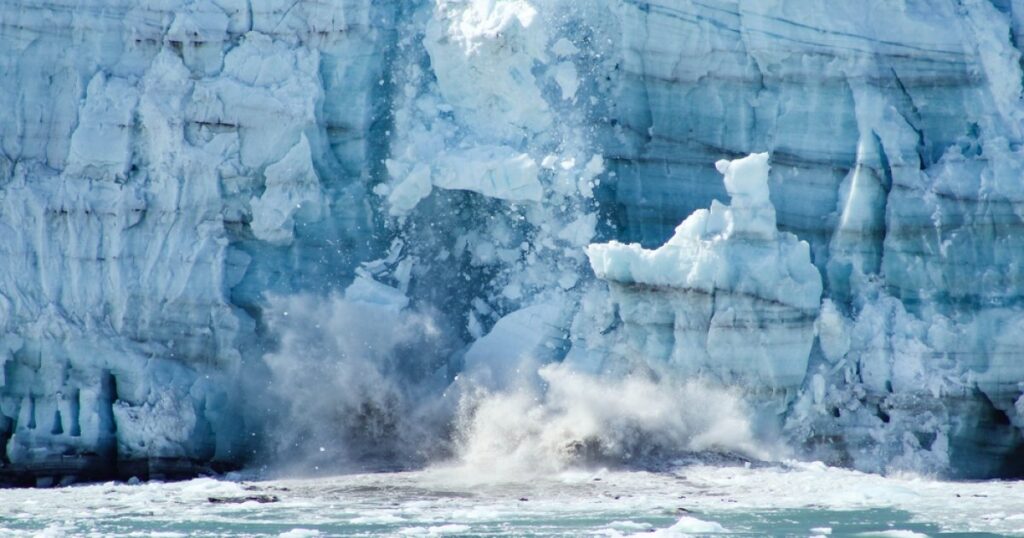
Why Melting Arctic Sea Ice Doesn’t Raise Sea Levels
Melting Arctic sea ice does not raise sea levels because the ice is already floating and displaces its own water volume, while sea‑level
November 5, 2025
Melting Arctic sea ice does not raise sea levels because the ice is already floating and displaces its own water volume, while sea‑level
November 5, 2025
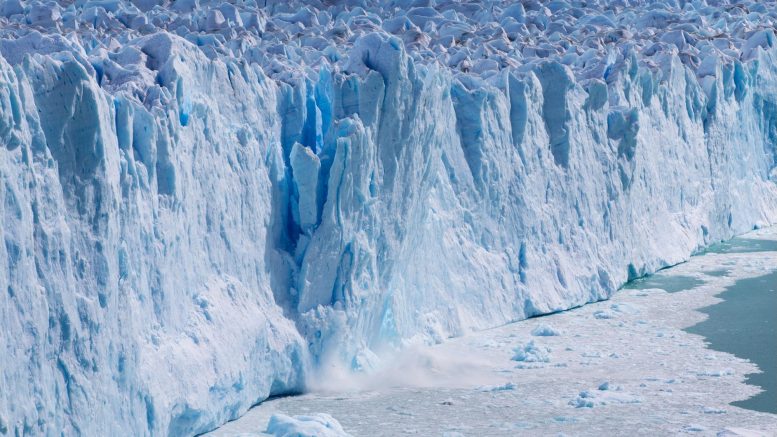
The Thwaites Glacier in West Antarctica—often called the “Doomsday Glacier”—is destabilising under warm ocean waters, and its potential collapse could add several metres
November 5, 2025
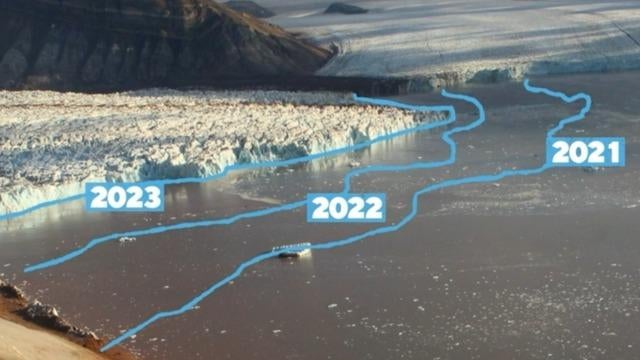
Understanding how melting ice sheets contribute water to the oceans clarifies the scale of sea-level rise, the scientific confidence behind estimates, and what
November 4, 2025

Tides are short‑term, predictable water‑level changes driven by lunar and solar gravity, while sea level rise is a long‑term increase caused mainly by
November 4, 2025
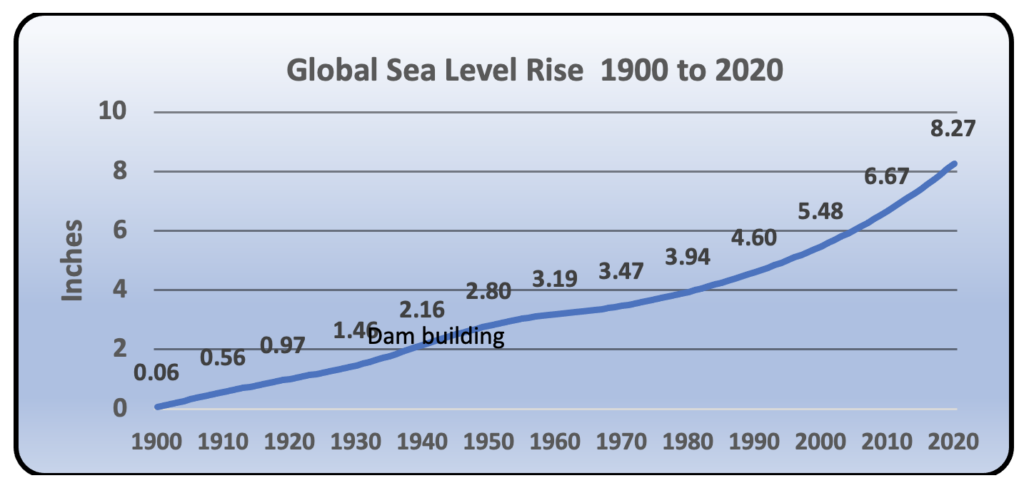
Sea level has risen about 3 mm per year over the past two decades, driven by thermal expansion and ice loss, with measurable impacts
November 4, 2025
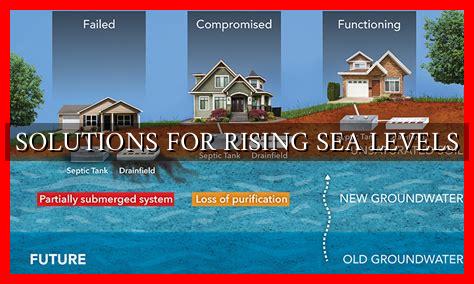
Rising sea levels, driven by warming oceans and melting ice, threaten coastlines worldwide, but evidence‑based mitigation, adaptation, and restoration strategies can meaningfully limit
November 3, 2025
October 18, 2026

October 18, 2026

24Earth is an independent environmental knowledge platform explaining climate, oceans, biodiversity, pollution, energy, and planetary change through accessible, evidence-based reporting.
Copyright ©2026
24Earth.
