Skip to content
24Earth | Climate, Oceans, Nature & Energy Explained
  • X
  • Instagram
CTA Button
  • Home
  • Tools
    • Air Quality Checker
    • Greenhouse Gas Converter
    • Appliance Energy Cost Calculator
    • Home Energy Emissions Calculator
    • Renewable Energy Comparison Tool
    • EV vs. Gasoline Car Emissions Calculator
    • Electricity Mix Explorer
    • Country Environmental Profile
    • CO₂ Equivalency Converter
    • Household Carbon Footprint Calculator
  • Blog
    • Climate & Atmosphere

      Fundamental processes and indicators that drive Earth’s climate system.

      • Adaptation and Resilience

        Strategies to reduce vulnerability and recover from climate effects.

      • Carbon Cycle

        The natural and anthropogenic flows of carbon among Earth’s reservoirs.

      • Climate Attribution

        Methods for linking specific weather events to human‑caused climate change.

      • Climate Change Basics

        An overview of the science behind long‑term climate change.

      • Climate Impacts

        Consequences of climate change on ecosystems, economies, and societies.

      • Climate Indicators

        Metrics such as temperature, precipitation, and sea level that track climate trends.

      • Extreme Weather

        Intensified storms, heatwaves, and other severe weather events.

      • Global Warming

        The observed rise in average global temperatures due to greenhouse gases.

      • Greenhouse Effect

        How atmospheric gases trap heat and regulate Earth’s temperature.

      • Greenhouse Gases

        Key gases like CO₂, methane, and nitrous oxide that drive warming.

    • Earth Data

      Tools and datasets for monitoring and understanding environmental change.

      • Climate Modeling

        Simulations that project future climate scenarios.

      • Data Quality Assurance

        Processes ensuring accuracy and reliability of data.

      • Data Visualization

        Graphic representation of complex climate data.

      • Earth Observation

        Satellite and aerial monitoring of planetary systems.

      • GIS Mapping

        Geographic information systems for spatial analysis.

      • Open Data Platforms

        Public repositories for sharing environmental datasets.

    • Energy & Solutions

      Clean energy technologies and strategies to mitigate climate change.

      • Carbon Removal

        Methods to capture and sequester atmospheric CO₂.

      • Clean Transportation

        Low‑emission vehicles and mobility solutions.

      • Climate Policy

        Regulations and agreements aimed at mitigating climate change.

      • Electricity Grids

        Infrastructure for delivering power to consumers.

      • Energy Efficiency

        Reducing energy use while maintaining performance.

      • Energy Storage

        Technologies that retain energy for later use.

      • Geothermal Energy

        Utilizing Earth’s internal heat for power and heating.

      • Hydropower

        Electricity produced from flowing or stored water.

      • Nuclear Energy

        Generating electricity through nuclear fission reactions.

    • Nature & Biodiversity

      The variety of life, ecosystems, and the threats they face.

      • Biodiversity Basics

        Fundamental concepts of species variety and ecosystem function.

      • Ecosystem Restoration

        Projects aimed at rebuilding degraded natural systems.

      • Ecosystems

        Interconnected communities of organisms and their physical environment.

      • Forests and Deforestation

        The role of forests and the impacts of tree loss.

      • Freshwater Ecosystems

        Rivers, lakes, and wetlands and their vulnerability.

      • Habitat Loss

        Destruction and fragmentation of natural habitats.

      • Invasive Species

        Non‑native organisms that disrupt native ecosystems.

    • Oceans & Ice

      Changes in the world’s oceans, ice masses, and related coastal impacts.

      • Coastal Adaptation

        Measures to protect shorelines and communities from ocean threats.

      • Coastal Flooding

        Inundation of low‑lying areas from storms and rising seas.

      • Coral Reefs

        Heat‑induced bleaching and degradation of reef ecosystems.

      • Glaciers

        The retreat and mass loss of mountain and valley glaciers.

      • Ice Sheets

        Changes in the massive ice bodies of Antarctica and Greenland.

      • Marine Ecosystems

        Broad impacts on oceanic food webs and biodiversity.

      • Ocean Acidification

        The decreasing pH of seawater caused by absorbed CO₂.

      • Ocean Warming

        Rising sea temperatures and their effects on marine life.

    • Pollution & Environmental Health

      Contaminants affecting air, water, land, and human‑well‑being.

      • Air Pollution

        Contaminants released into the atmosphere affecting health.

      • Chemical Pollution

        Release of hazardous substances into air, soil, and water.

      • Environmental Justice

        Equitable distribution of environmental benefits and burdens.

      • Microplastics

        Tiny plastic particles that infiltrate ecosystems and food chains.

      • Noise and Light Pollution

        Disturbances from excessive sound and artificial illumination.

      • Plastic Pollution

        Accumulation of plastic debris in terrestrial and marine environments.

      • Waste and Recycling

        Management of solid waste and material recovery.

      • Water Pollution

        Degradation of water quality from chemicals and waste.

Lifecycle Emissions

Airbus Bets on Hydrogen-Powered Planes to Cut Aviation Emissions

Airbus is developing hydrogen‑fuelled aircraft under its ZEROe programme, targeting zero‑emission flight by 2035 and offering a potential pathway to reduce aviation’s contribution

by

Edward Philips

January 30, 2026

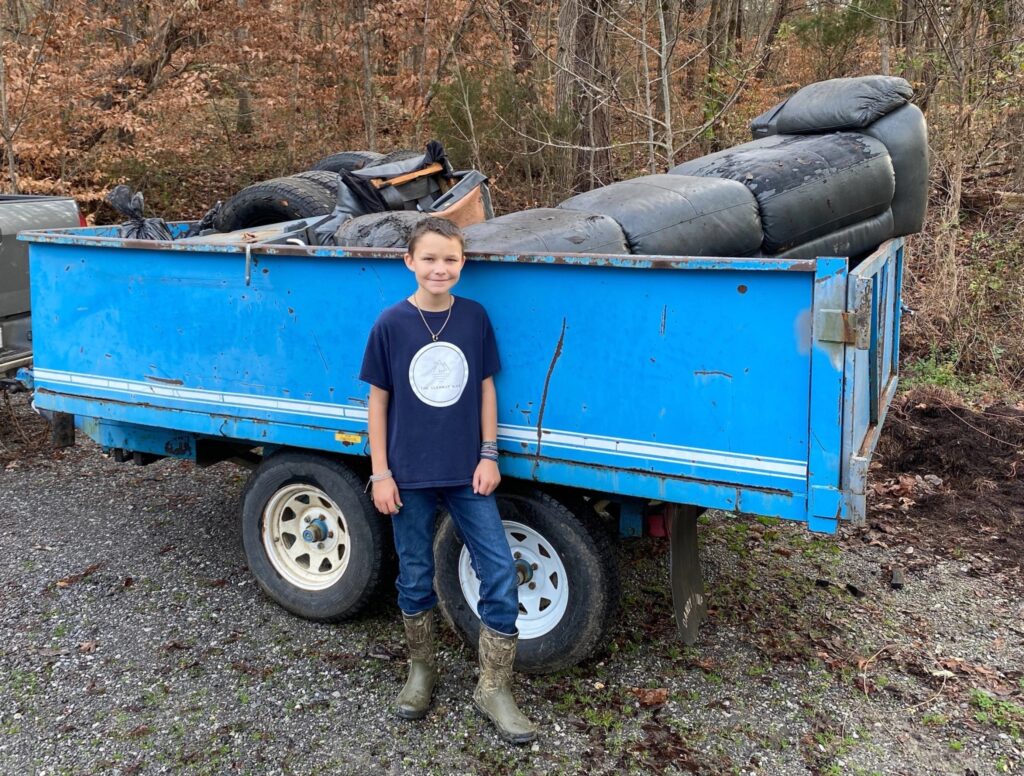
Cash Daniels’ Trash Pickup Movement Inspires Youth Climate Action

Cash Daniels, known as “The Conservation Kid,” leads a youth‑driven trash‑pickup movement that aims to collect one million pounds of litter, demonstrating how

by

Edward Philips

January 29, 2026

Asia’s Recycling Challenge: Progress and Setbacks

Asia’s recycling challenge reflects a mix of rapid urban growth, policy shifts, and emerging technologies, producing both notable advances and persistent setbacks across

by

Edward Philips

January 27, 2026

Atmospheric CO₂ Jump in 2025 Pushes World Off Track for 1.5°C Goal

The 2025 atmospheric CO₂ jump—an unprecedented rise in global carbon dioxide concentration—has pushed the world further away from the 1.5 °C limit of the

by

Edward Philips

January 22, 2026

Atmospheric CO₂ Reaches Highest Level in 4 Million Years Scientists Warn

Atmospheric carbon dioxide has risen to concentrations not seen in four million years, a level that signals intensified greenhouse warming and broad implications

by

Edward Philips

January 20, 2026

Blue Hydrogen and the Clean Energy Transition: What the Evidence Shows

Blue hydrogen, produced from natural gas with carbon capture and storage, offers a lower‑carbon bridge for the clean‑energy transition, yet its real climate

by

Edward Philips

January 19, 2026

Older posts
Newer posts
← Previous Page1 … Page24 Page25 Page26 … Page49 Next →

Latest Post

October 18, 2026

Abrupt Arctic Permafrost Thaw Poses a Serious Climate Threat

October 18, 2026

Do Plastic-Free Policies Actually Work? Evidence From Around the World

October 18, 2026

After Hurricane Idalia Biden Says Climate Change Is Undeniable

Popular

A Short Essay on Climate Change for Easy Understanding

Atmospheric CO₂ Jump in 2025 Pushes World Off Track for 1.5°C Goal

Carbon Sinks Explained: Nature’s Role in Absorbing CO₂

Is Human CO₂ Really Causing Glaciers to Melt?

How Arctic Ice Melt Releases CO₂ Into the Atmosphere

24Earth is an independent environmental knowledge platform explaining climate, oceans, biodiversity, pollution, energy, and planetary change through accessible, evidence-based reporting.

Blog Categories

  • Climate & Atmosphere
  • Earth Data
  • Energy & Solutions
  • Nature & Biodiversity
  • Oceans & Ice
  • Pollution & Environmental Health

Nav Link

Privacy Policy AI Use Policy Correction Policy Editor Policy Fact-Checking Policy Sources Standart

Follow Us

  • Instagram
  • X
  • LinkedIn

Copyright ©2026

24Earth.

Contact Us About Me Disclaimer Funding and Advertising Disclosure
  • Home
  • Tools
    • Air Quality Checker
    • Greenhouse Gas Converter
    • Appliance Energy Cost Calculator
    • Home Energy Emissions Calculator
    • Renewable Energy Comparison Tool
    • EV vs. Gasoline Car Emissions Calculator
    • Electricity Mix Explorer
    • Country Environmental Profile
    • CO₂ Equivalency Converter
    • Household Carbon Footprint Calculator
  • Blog
    • Climate & Atmosphere

      Fundamental processes and indicators that drive Earth’s climate system.

      • Adaptation and Resilience

        Strategies to reduce vulnerability and recover from climate effects.

      • Carbon Cycle

        The natural and anthropogenic flows of carbon among Earth’s reservoirs.

      • Climate Attribution

        Methods for linking specific weather events to human‑caused climate change.

      • Climate Change Basics

        An overview of the science behind long‑term climate change.

      • Climate Impacts

        Consequences of climate change on ecosystems, economies, and societies.

      • Climate Indicators

        Metrics such as temperature, precipitation, and sea level that track climate trends.

      • Extreme Weather

        Intensified storms, heatwaves, and other severe weather events.

      • Global Warming

        The observed rise in average global temperatures due to greenhouse gases.

      • Greenhouse Effect

        How atmospheric gases trap heat and regulate Earth’s temperature.

      • Greenhouse Gases

        Key gases like CO₂, methane, and nitrous oxide that drive warming.

    • Earth Data

      Tools and datasets for monitoring and understanding environmental change.

      • Climate Modeling

        Simulations that project future climate scenarios.

      • Data Quality Assurance

        Processes ensuring accuracy and reliability of data.

      • Data Visualization

        Graphic representation of complex climate data.

      • Earth Observation

        Satellite and aerial monitoring of planetary systems.

      • GIS Mapping

        Geographic information systems for spatial analysis.

      • Open Data Platforms

        Public repositories for sharing environmental datasets.

    • Energy & Solutions

      Clean energy technologies and strategies to mitigate climate change.

      • Carbon Removal

        Methods to capture and sequester atmospheric CO₂.

      • Clean Transportation

        Low‑emission vehicles and mobility solutions.

      • Climate Policy

        Regulations and agreements aimed at mitigating climate change.

      • Electricity Grids

        Infrastructure for delivering power to consumers.

      • Energy Efficiency

        Reducing energy use while maintaining performance.

      • Energy Storage

        Technologies that retain energy for later use.

      • Geothermal Energy

        Utilizing Earth’s internal heat for power and heating.

      • Hydropower

        Electricity produced from flowing or stored water.

      • Nuclear Energy

        Generating electricity through nuclear fission reactions.

    • Nature & Biodiversity

      The variety of life, ecosystems, and the threats they face.

      • Biodiversity Basics

        Fundamental concepts of species variety and ecosystem function.

      • Ecosystem Restoration

        Projects aimed at rebuilding degraded natural systems.

      • Ecosystems

        Interconnected communities of organisms and their physical environment.

      • Forests and Deforestation

        The role of forests and the impacts of tree loss.

      • Freshwater Ecosystems

        Rivers, lakes, and wetlands and their vulnerability.

      • Habitat Loss

        Destruction and fragmentation of natural habitats.

      • Invasive Species

        Non‑native organisms that disrupt native ecosystems.

    • Oceans & Ice

      Changes in the world’s oceans, ice masses, and related coastal impacts.

      • Coastal Adaptation

        Measures to protect shorelines and communities from ocean threats.

      • Coastal Flooding

        Inundation of low‑lying areas from storms and rising seas.

      • Coral Reefs

        Heat‑induced bleaching and degradation of reef ecosystems.

      • Glaciers

        The retreat and mass loss of mountain and valley glaciers.

      • Ice Sheets

        Changes in the massive ice bodies of Antarctica and Greenland.

      • Marine Ecosystems

        Broad impacts on oceanic food webs and biodiversity.

      • Ocean Acidification

        The decreasing pH of seawater caused by absorbed CO₂.

      • Ocean Warming

        Rising sea temperatures and their effects on marine life.

    • Pollution & Environmental Health

      Contaminants affecting air, water, land, and human‑well‑being.

      • Air Pollution

        Contaminants released into the atmosphere affecting health.

      • Chemical Pollution

        Release of hazardous substances into air, soil, and water.

      • Environmental Justice

        Equitable distribution of environmental benefits and burdens.

      • Microplastics

        Tiny plastic particles that infiltrate ecosystems and food chains.

      • Noise and Light Pollution

        Disturbances from excessive sound and artificial illumination.

      • Plastic Pollution

        Accumulation of plastic debris in terrestrial and marine environments.

      • Waste and Recycling

        Management of solid waste and material recovery.

      • Water Pollution

        Degradation of water quality from chemicals and waste.

CTA Button