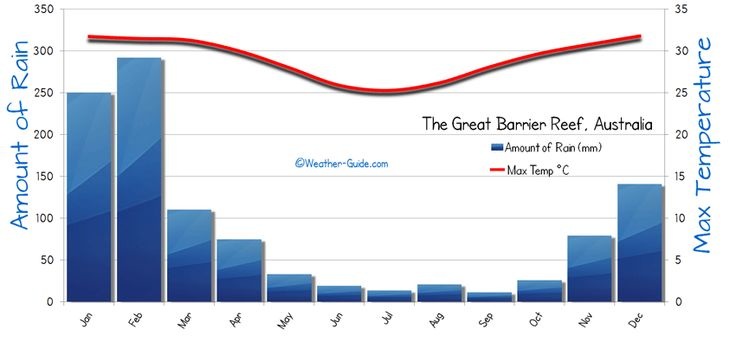
Rising sea levels represent one of the most pressing challenges facing our planet today. They threaten coastal communities, alter ecosystems, and disrupt the delicate balance of marine environments. Among these ecosystems, the Great Barrier Reef stands as a poignant symbol of the duality of nature’s resilience and vulnerability. This vast coral network, recognized for its unparalleled biodiversity, is now caught in the turmoil wrought by anthropogenic climate change. The question then arises, is the rising sea level harmful or potentially beneficial to the Great Barrier Reef? This article explores the multifaceted implications of this phenomenon, emphasizing the delicate balance of ecological impacts.
Understanding Sea Level Rise
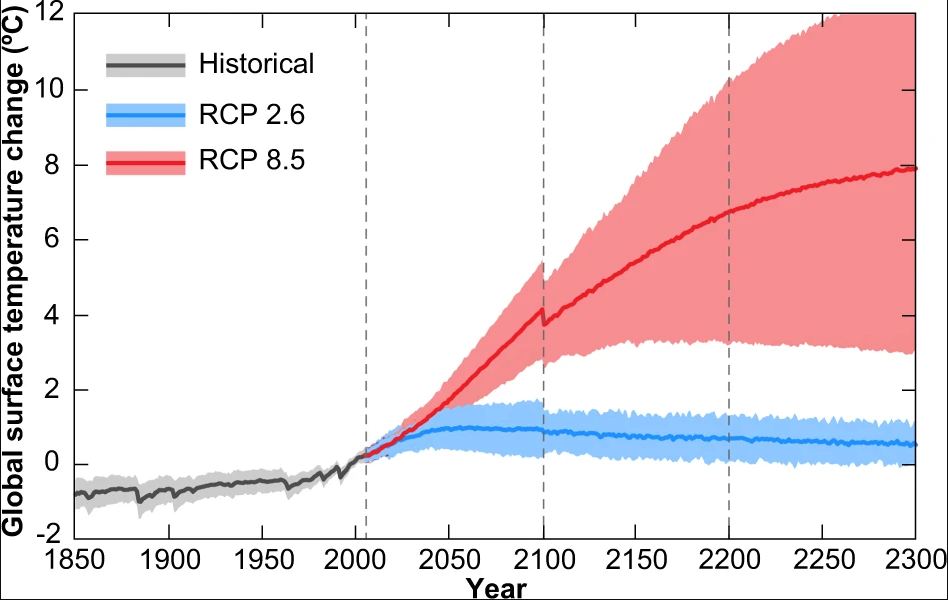
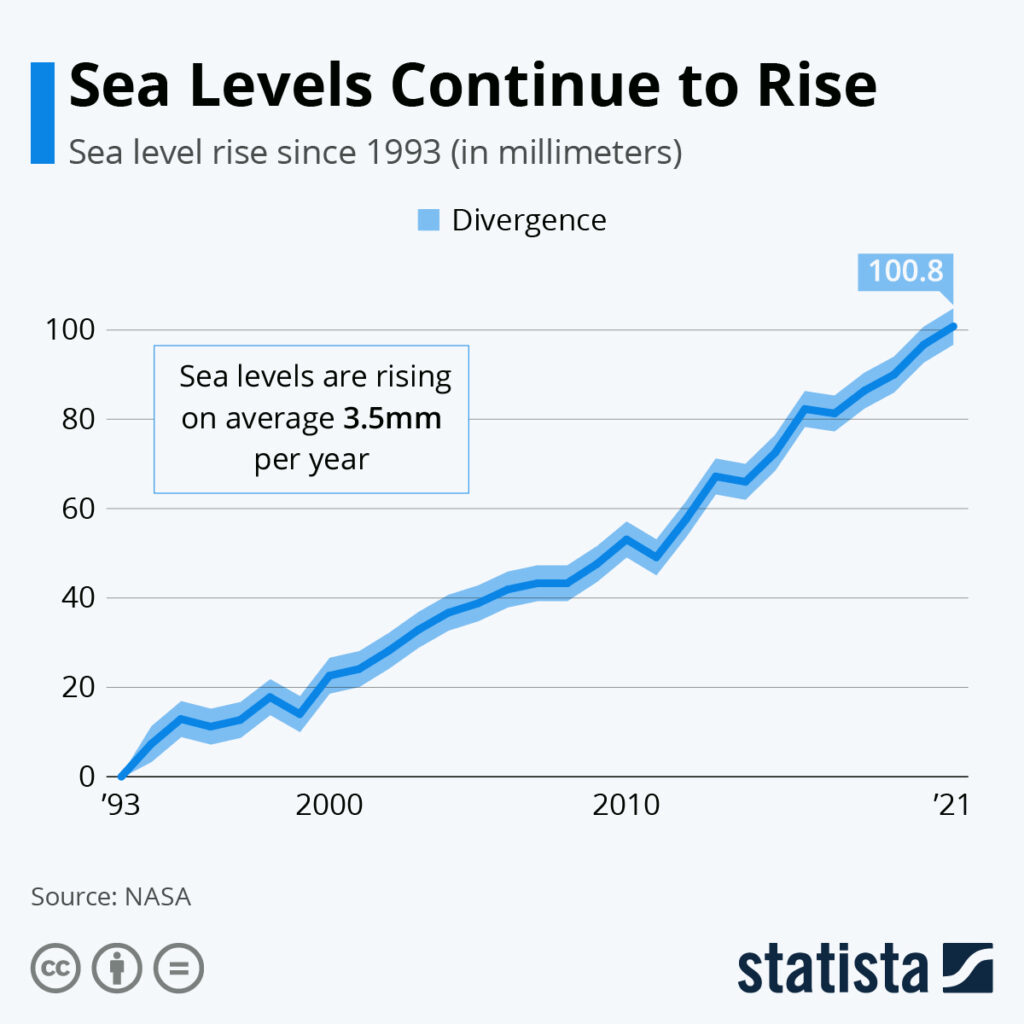
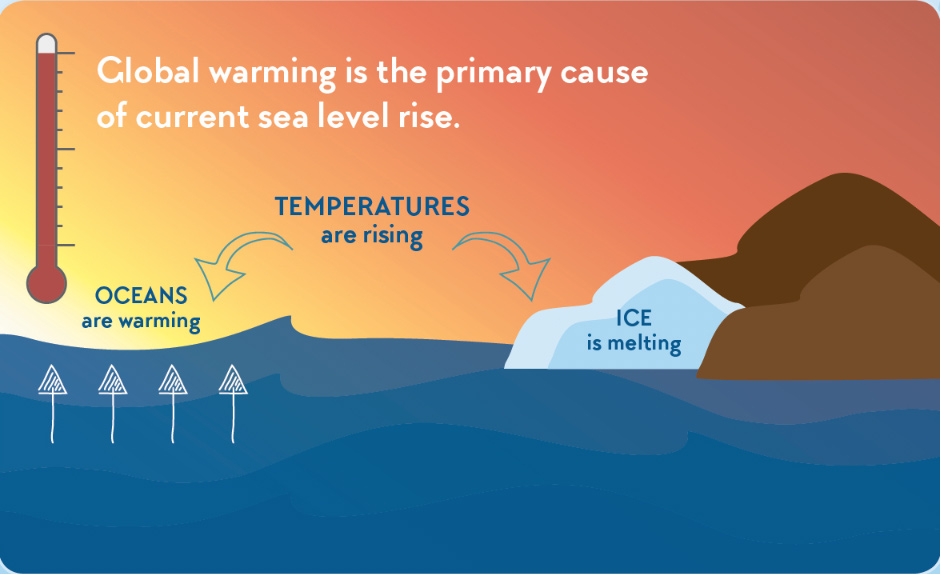
Sea level rise is primarily driven by two factors: thermal expansion due to warming oceans and the melting of ice sheets and glaciers. As global temperatures escalate, the oceans absorb a significant amount of this excess heat, causing water to expand. Concurrently, the melting of the Greenland and Antarctic ice sheets contributes to the influx of freshwater into the oceans, exacerbating this phenomenon. These elements intertwine, creating a complex tapestry of climatic repercussions that extend well beyond mere coastal inundation.
The Great Barrier Reef: A Jewel Under Siege
The Great Barrier Reef, stretching over 2,300 kilometers along Australia’s northeastern coast, is the world’s largest coral reef system. This irreplaceable ecosystem, teeming with marine life, is integral not only for biodiversity but also for local economies dependent on tourism and fishing. Unfortunately, rising sea levels pose significant threats to this fragile habitat. By altering salinity levels and disrupting light penetration, the expanding waters can inhibit coral growth and compromise the health of the reef.
Harmful Impacts of Rising Sea Levels
The most glaring impact of rising sea levels on the Great Barrier Reef is erosion. Coastal areas that boast coral structures can experience accelerated erosion, which threatens both their physical form and the myriad species that rely on these habitats. Furthermore, increased sedimentation can smother coral, limiting their ability to photosynthesize effectively. In conjunction with rising ocean temperatures, these factors weaken corals, rendering them susceptible to bleaching events and disease outbreaks.
The added influx of freshwater from melting ice and increased rainfall can also disrupt the delicate salinity balance vital for coral health. Corals are inherently sensitive organisms; a shift in salinity can hinder their reproductive cycles and growth patterns, leading to diminished coral cover. This loss of coral not only decreases biodiversity but can also unhinge the intricate food webs that support myriad aquatic species.
Socioeconomic Consequences
Possible Positive Aspects
Adaptive Capacity of Coral Reefs
The Role of Conservation Efforts
Global Cooperation and Policymaking
Conclusion
Rising sea levels present a dual-edged sword for the Great Barrier Reef. The harmful impacts on coral health, biodiversity, and socioeconomic stability cannot be downplayed. Yet, there lies a potential for adaptation and resilience among marine ecosystems, along with opportunities for futuristic biodiversity. The path forward demands a holistic approach that encompasses robust conservation efforts, global cooperation, and a commitment to mitigating climate change. As stewards of our planet, ensuring the sustainability of the Great Barrier Reef is both an ethical and economic imperative. The fate of this iconic marine wonder hinges on our actions today.






Leave a Comment