In the complex tapestry of environmental challenges facing our planet, pollution and global warming emerge as two prominent threads, often perceived as separate crises. Yet, a closer examination reveals a far more intricate relationship. The interdependence of these issues invites us to reconsider our approaches to mitigating their impacts. Are pollution and global warming merely two sides of the same coin, or do they represent distinct yet interconnected realms of environmental degradation? This exploration unfolds a narrative that underscores the necessity for a unified perspective in our quest for sustainable solutions.
The first step in understanding the relationship between pollution and global warming lies in defining each phenomenon. Pollution refers to the introduction of harmful substances or contaminants into the natural environment, resulting in adverse effects on ecosystems and human health. This pervasive issue manifests in various forms, including air, water, soil, and noise pollution. On the other hand, global warming denotes the long-term rise in Earth’s average surface temperature due to the accumulation of greenhouse gases (GHGs) in the atmosphere, primarily resulting from human activities, such as fossil fuel combustion and deforestation.
At first glance, these issues may appear disconnected; however, a deeper inquiry reveals their profound interlinkages. Pollution—particularly in the form of carbon emissions—serves as a principal driver of global warming. When we burn fossil fuels for energy, we release carbon dioxide (CO2), a leading GHG. Additionally, other polluting agents, such as methane from industrial agriculture and nitrous oxide from fertilizers, contribute significantly to the greenhouse effect. Thus, the insidious nature of pollution not only degrades our immediate surroundings but also catalyzes a global crisis that threatens Earth’s climate stability.
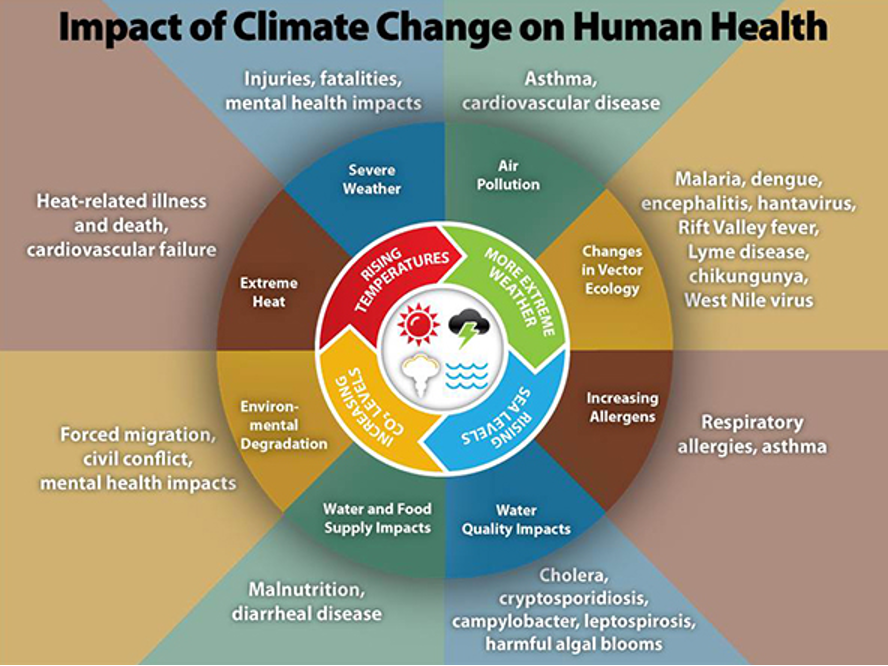
Moreover, the repercussions of pollution extend beyond the climate crisis; they showcase the fragility of human health and wellbeing. For example, air pollution, laden with toxic particulates and gases, has been linked to respiratory diseases, cardiovascular problems, and premature mortality. These health risks can be exacerbated by climate change, as rising temperatures can enhance the formation of ground-level ozone, further diminishing air quality. In this sense, pollution and global warming are an indomitable pair, their effects colliding and cascading through various levels of human experience.
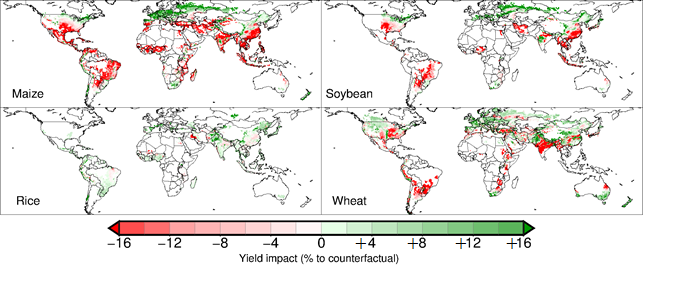
Moreover, the detrimental impacts of pollution and global warming converge in vulnerable communities. Low-income populations and marginalized groups often bear the brunt of both challenges. These communities frequently reside near industrial zones or heavily trafficked roads, exposing them to high levels of air and soil pollution. Compounded by the effects of climate change—such as intensified natural disasters and shifts in agricultural productivity—these populations face a dual threat that exacerbates existing inequalities. The intertwining nature of pollution and global warming becomes evident, revealing that environmental justice is not an isolated issue, but rather a collective one intricately woven into the fabric of social equity.
Recognizing this interconnectedness fosters a paradigm shift in how we approach environmental policies and solutions. Rather than treating pollution and climate change as disparate challenges, a holistic strategy becomes essential. For instance, transitioning to renewable energy sources not only curtails carbon emissions—mitigating global warming—but also reduces air pollutants, improving public health. Investing in green infrastructure, such as urban forests and permeable pavements, not only addresses urban heat islands that exacerbate climate change but also enhances air quality and urban resilience.
Additionally, innovative storytelling techniques can play a pivotal role in reshaping public perception about these intertwined crises. Media outlets, filmmakers, and influencers have the capacity to weave narratives that highlight personal stories and community experiences at the intersection of environmental degradation and social justice. These narratives can evoke empathy, inspire action, and galvanize movements that advocate for systemic change.
As we venture forward, it is paramount for governments, corporations, and individuals to embrace an integrated framework when formulating responses to environmental issues. Policies that prioritize air quality and greenhouse gas reductions must be crafted in tandem, ensuring that strategies account for the intricacies of both pollution and climate change. Collaborative efforts among diverse stakeholders can yield multifaceted solutions—community-led initiatives, corporate responsibility, and robust government regulations can intertwine to form a resilient response to these dual crises.
Furthermore, education serves as a crucial pillar in transforming public consciousness regarding the interconnected nature of pollution and climate change. Curricula that emphasize environmental literacy, sustainability practices, and the importance of clean air should be fortified in educational institutions. Engaging students through experiential learning—field trips to affected areas, hands-on activities in environmental stewardship—can cultivate a generation of informed citizens who are responsive to the challenges that lie ahead.
Ultimately, the confluence of pollution and global warming necessitates a reconsideration of our conceptual frameworks and action plans. By perceiving these crises as intertwined rather than separate phenomena, we engender a commitment to addressing the root causes of environmental degradation holistically. This paradigm shift invites a collaborative spirit that can transcend borders, uniting individuals in a common mission to safeguard our planet for future generations. To combat these crises effectively, we must harness the resilience of humanity and channel our efforts towards a sustainable future—marked by clear skies, healthy ecosystems, and a thriving, equitable society.






Leave a Comment