
Overpopulation and global warming are two interconnected phenomena that present significant challenges to humanity. While many acknowledge their existence, the depth of their relationship often remains obscured by ignorance, misinformation, and apathy. This article delves into the intricate interactions between these two pressing issues, revealing the underlying connections that underscore their impact on the planet and future generations.
At its core, overpopulation refers to a condition where the number of individuals within a population exceeds the carrying capacity of a specific region or environment. This situation leads to multiple socio-economic problems, straining resources—water, food, and energy—while simultaneously exacerbating pollution and environmental degradation. Conversely, global warming, mainly driven by greenhouse gas emissions, results from human activities that entwine closely with population dynamics. The repercussions of overpopulation stretch far beyond mere numbers; they gravitate toward ecological destabilization and climatic fluctuations that threaten life as we know it.
The most critical nexus between overpopulation and global warming is the increased demand for resources. As the global population surges toward an estimated 9.7 billion by 2050, the strain on resources becomes more apparent. Each individual contributes to consumption patterns that directly correlate with greenhouse gas emissions. The more people there are, the greater the demand for food, water, and energy resources. This demand leads to intensified agricultural practices, deforestation, and fossil fuel extraction—activities notorious for their carbon footprints that exacerbate climate change.
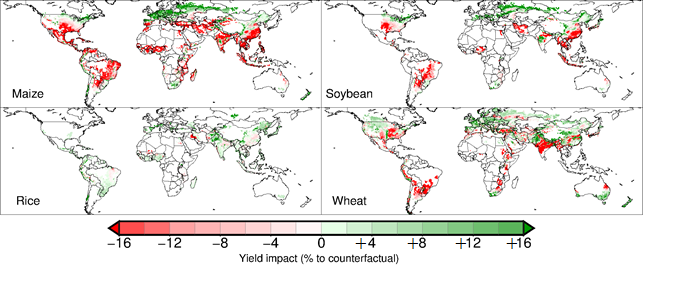
Let’s explore how agricultural expansion, spurred by overpopulation, directly influences global warming. As societies strive to feed burgeoning populations, land previously designated for forests or natural habitats is converted into agricultural lands. The result? Not only is carbon-storing vegetation removed, but the soil’s ability to trap carbon diminishes. This conversion is emblematic of the broader ecological footprint of humanity, one that casts shadows across the ecosystem and furthers the trajectory of global warming. Consequently, the cascading effects of agricultural sprawl extend into biodiversity loss, soil degradation, and water scarcity—each its own harbinger of further climatic upheaval.
Furthermore, the energy demands associated with an increasing population add another layer to the complexity of this relationship. The collective reliance on fossil fuels for energy—coupled with the need for transportation, heating, cooling, and industrial production—creates a perfect storm for elevating carbon emissions. As nations grapple with economic growth, the balance between eco-friendliness and infrastructure development tips precariously toward unsustainable practices. The burgeoning middle class in developing nations is an exemplar of this phenomenon, as emerging economies strive to mimic the industrialized nations that historically paved the way through carbon-intensive growth.
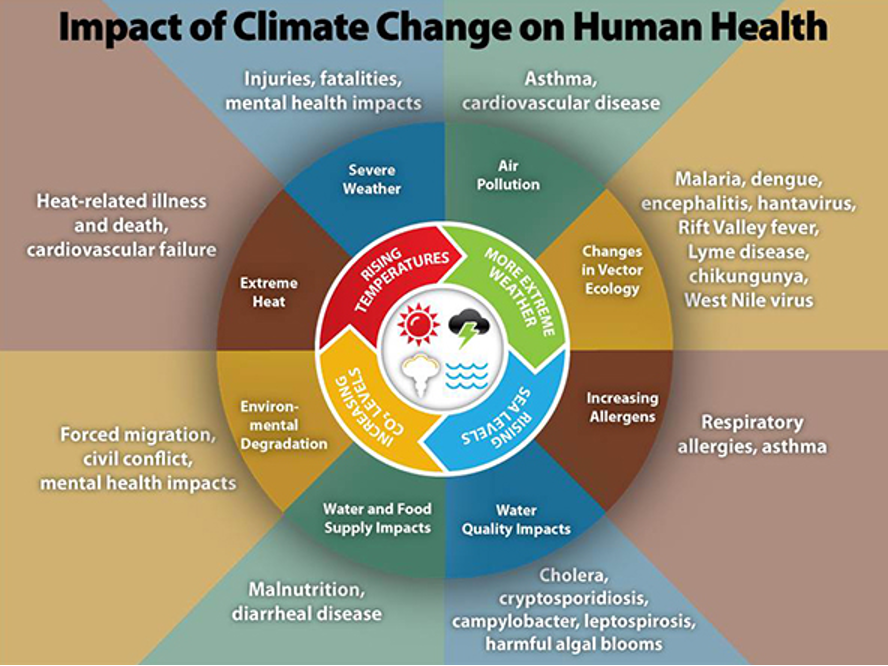
However, the connection runs deeper. The implications of overpopulation are not just quantitative but qualitative. Larger populations necessitate more infrastructure, which in itself consumes resources and generates waste. Urbanization, an inevitable consequence of overpopulation, leads to increased energy consumption and vehicular pollution. Cities become heat islands, amplifying local temperature increases, which conversely influence weather patterns and contribute to extreme weather events. The torrential rains, devastating hurricanes, and blazing wildfires we witness today can be traced back to a multitude of human activities, overpopulation being a significant catalyst.
An equally critical aspect to consider is the social dimension of overpopulation and global warming. Regions with high population densities often experience social strife, political instability, and economic disparity. These conditions make communities more vulnerable to the impacts of climate change. For instance, impoverished populations in densely populated areas frequently lack the resources necessary to adapt to rising sea levels, erratic weather patterns, or resource scarcity. This vulnerability creates a cyclical connection: as climate change intensifies, socio-economic inequalities proliferate, leading to further population pressures through migration and displacement.
Yet, amidst the challenges lie opportunities for transformative change. Addressing the nexus of overpopulation and global warming requires a multifaceted approach that encompasses education, empowerment, and sustainable development. By fostering family planning, reproductive health education, and promoting women’s rights, we can curtail population growth and simultaneously alleviate the pressures on our planet. This proactive stance not only mitigates the impacts of overpopulation but also fosters social equity, empowering individuals to break the yoke of poverty and resource scarcity.
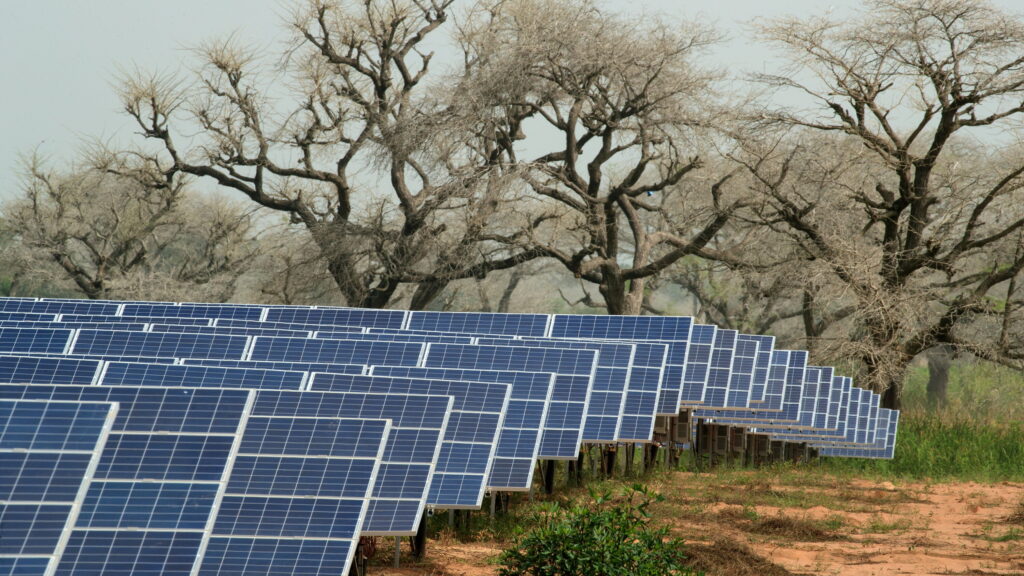
Investing in renewable energy sources presents another avenue for progress; transitioning from fossil fuels to wind, solar, and hydroelectric power not only mitigates greenhouse gas emissions but also sets the stage for sustainable development. Urban planning that prioritizes public transportation, green spaces, and energy-efficient buildings can help counteract the adverse effects of urbanization while accommodating growing populations. Each of these initiatives serves as a testament to the potential for human ingenuity to triumph over existential threats.
In conclusion, the connection between overpopulation and global warming is profound and intricate. Each influences the other in a relentless cycle of consumption, pollution, and climate instability. Recognizing this relationship is imperative as humanity navigates the complex web of challenges inherent in sustaining life on Earth. A commitment to education, innovation, and sustainable practices can foster a more harmonious coexistence. The future depends on our ability to act decisively, melding consciousness with action to curb the pressing issues of overpopulation and climate change, ensuring a more resilient planet for generations to come.






Leave a Comment