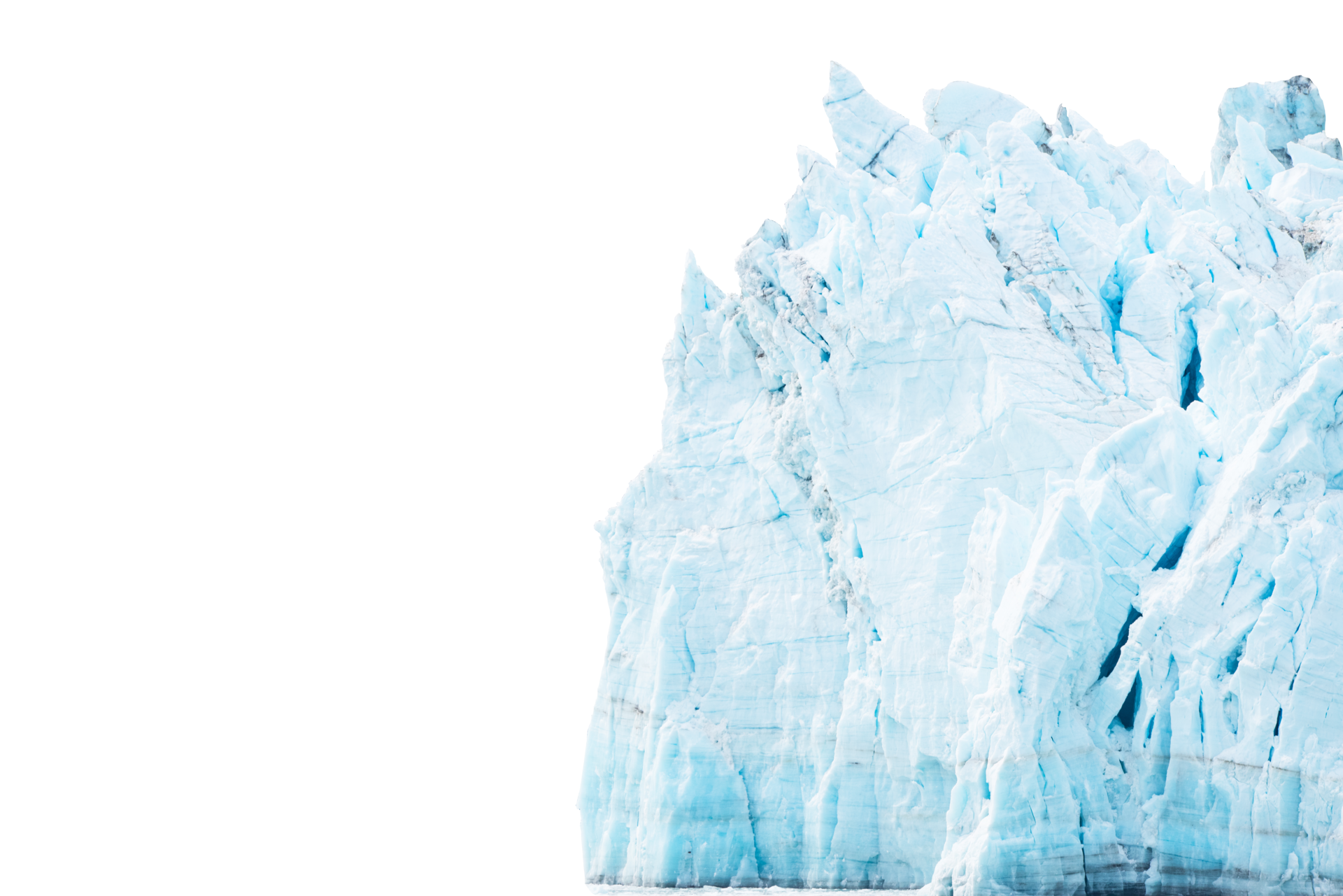
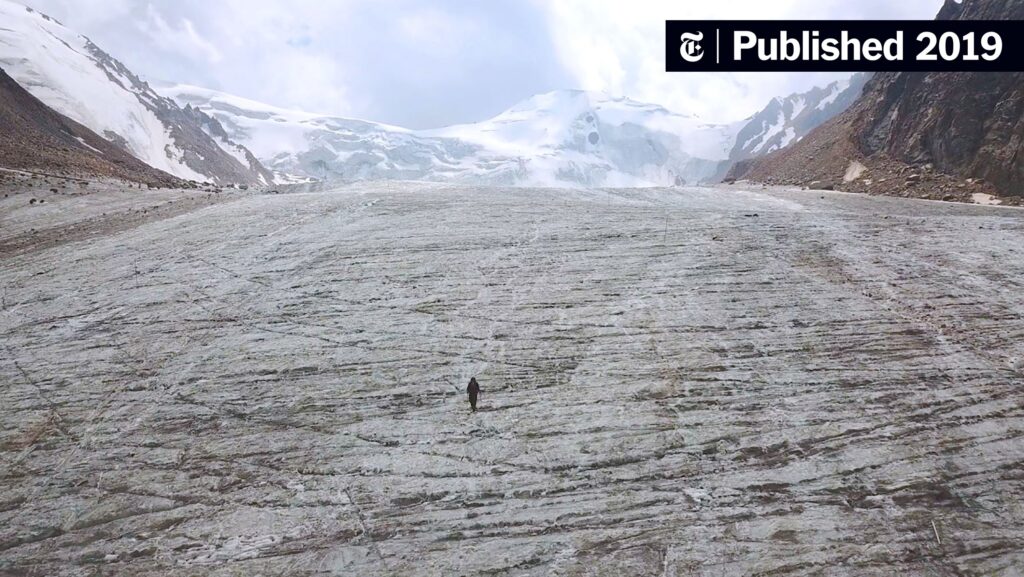
The earth is adorned with breathtaking landscapes, composed of majestic mountains, serene valleys, and ethereal glaciers. These sprawling frozen riverways are the lifeblood of our planet, embodying a delicate balance that sustains ecosystems, regulates climate, and influences sea levels. However, as the relentless march of climate change persists, these colossal ice formations are gradually yielding to the warmth of the sun, silently narrating an urgent tale of interconnectedness between glaciers, snow, and the myriad dynamics of our environment.
Just as veins pulse with the life-giving blood in a body, glaciers serve as reservoirs of freshwater, vital to life. They collect and store snow, which over seasons metamorphoses into crystalline ice. This process unveils a fascinating narrative of transformation and continuity. Snowfall blankets the ground like a soft quilt, a season’s ephemeral blessing that holds within it the promise of rejuvenation. As warmer months approach, the accumulated snow morphs into the glacier’s heart—dense and steadfast, but alas, no longer static. With the warming climate, these majestic glaciers are increasingly subjected to the cruel kiss of sunshine, causing them to melt at unprecedented rates.
The interrelationship between glaciers, snow, and ice is an intricate tapestry woven through the threads of geological, meteorological, and hydrological forces. As temperatures rise, snow not only accelerates its own diminishing cycle but triggers a cascade of environmental responses. The phenomenon of albedo—a term denoting the reflectivity of surfaces—plays a pivotal role in this dance. Fresh snow, pristine and white, reflects sunlight efficiently, maintaining cooler temperatures. However, as it transforms into dirty ice, its reflective properties dwindle. The scales tip; sunlight is absorbed rather than reflected, exacerbating the warming cycle, driving further ice melt, akin to a domino effect that reverberates through ecosystems.
The global ramifications of glacier retreat are profound. For communities dependent on glacial runoff for drinking water and irrigation, the melting glaciers signal a dual threat: both an impending shortage as glaciers recede and a present danger foreseen in flooding events when glacial lakes burst their bounds. Thus, while glaciers might seem distant and unapproachable, they cast a long shadow over the lives of those who dwell in their periphery. The ancient adage rings true—the fate of one is inexorably linked to the fate of many. Their melting is not merely an environmental issue; it is a human one, marked by tales of struggle and resilience.
Moreover, the melting of glaciers contributes to rising sea levels, an ominous harbinger of future calamities. The ocean, that vast reservoir of life, begins to swell with the ice once held captive in frigid realms. Communities on the coastlines brace against the tide, facing the harsh prospect of encroaching waters. The erasure of land that has cradled civilizations for centuries casts an unsettling prediction for future generations. The displacement and migration of peoples emerge as poignant moral crises of our era.
As we delve deeper into the implications of melting glaciers, we must also consider the ecological ramifications. Ice, a unique habitat, serves as a refuge for several endemic species, meticulously adapted to this frozen milieu. The loss of habitat beckons extinction for these vulnerable creatures, highlighting the perils of a warming world. Marine ecosystems depend on the influx of nutrient-rich freshwater from melting glaciers, creating intricate dynamics of life within the ocean. The withdrawal of this critical resource threatens the delicate balance of life beneath the waves.
Yet, within this story of a warming planet lies the complexity of hope. The phenomena of melting glaciers inspire a burgeoning field of scientific inquiry and innovation. Researchers keenly study glaciers, seeking answers that may unlock climatic mysteries hidden in the annals of ice. Around the globe, initiatives aimed at preserving glacial habitats and mitigating climate change forge paths toward resilience and recovery. Technology offers solutions—from renewable energy sources that alleviate carbon emissions to advanced monitoring systems that help us visualize glacier changes in real time. In this profound interconnectedness, we find opportunities for collaboration and informed action.
What can individuals do to contribute to the preservation of these glacial sentinels? Advocacy and education remain powerful tools. By amplifying awareness of climate change and its consequences, individuals can rally communities—turning collective outrage into impactful change. Systemic efforts to reduce greenhouse gas emissions, protect vulnerable ecosystems, and promote sustainable practices are crucial. Each small action, when woven into the fabric of collective endeavor, can become a monumental force for change.
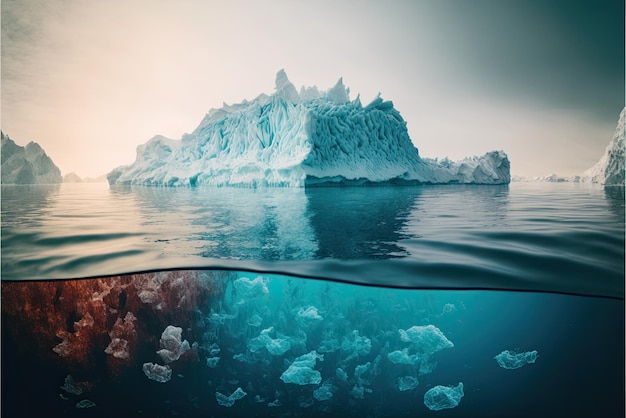
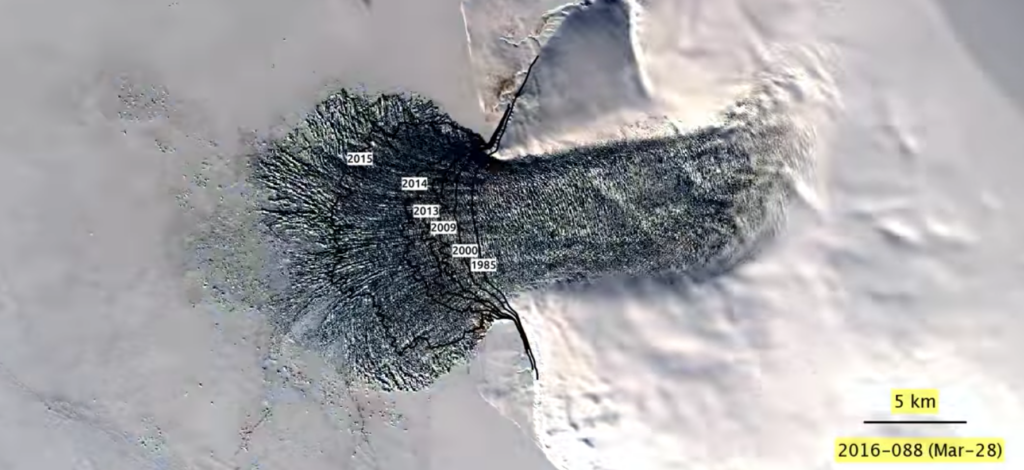
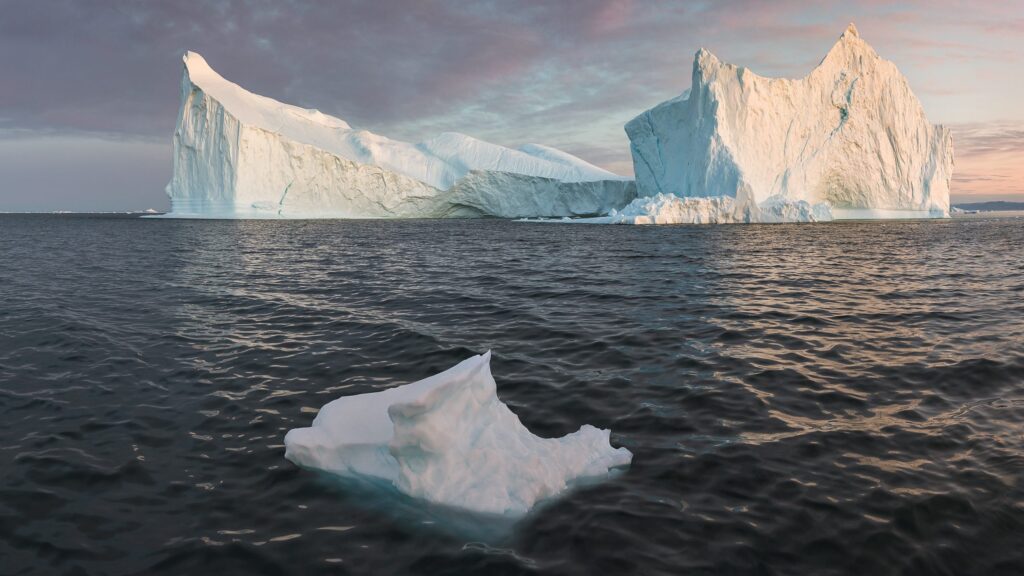
In the great saga of melting glaciers, the narrative is ongoing—a dynamic interplay of astonishing beauty and stark reality. Each iceberg that breaks free is not just a fragment of ice; it is a symbol of shifts yet to come, echoing the voices of the many species, communities, and ecosystems that stand to lose their footing amidst the warming tides. There exists a pressing urgency to forge a concord between human activity and environmental stewardship. By embracing our roles as stewards of the planet and advocates for those voiceless among us, we begin to stitch together the frayed edges of this delicate narrative.
The story of glaciers, snow, and ice unfolds before us with gravitas, a reminder of our interdependence. The earth is an intricate mosaic, each piece integral to the whole. Let us heed the call, embrace our shared responsibility, and navigate the winding paths ahead with empathy, courage, and enduring hope.





Leave a Comment