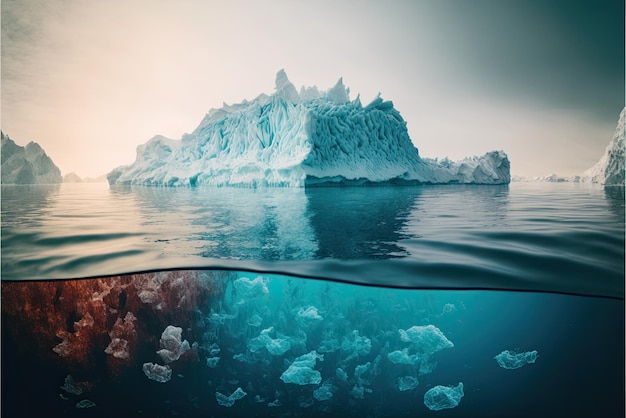
The spectacle of melting glaciers evokes a visceral sense of awe and urgency, compelling observers to grapple with the reality of climate change. As these ancient ice formations succumb to rising temperatures, they not only diminish the breathtaking landscapes we cherish but also serve as critical indicators of environmental health. This article delves into the mesmerizing yet sobering phenomenon of melting glaciers, encapsulating their visual power while illuminating the broader implications of their decline.
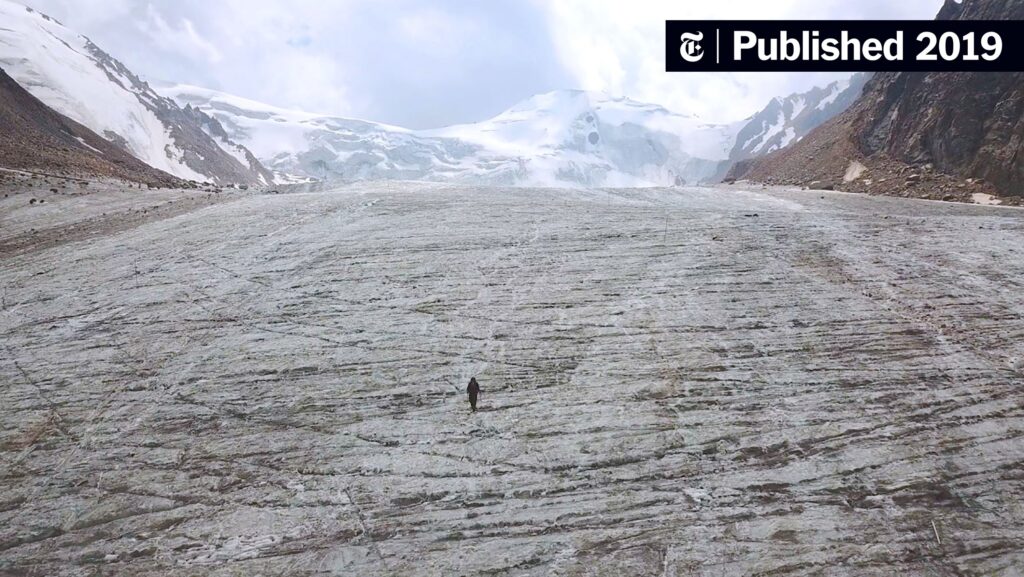
Glaciers, the colossal ice masses that have taken thousands of years to form, are not mere relics of our planet’s history; they are dynamic systems integral to Earth’s climate and water cycle. Their pristine surfaces reflect sunlight and insulate underlying ecosystems, contributing to the stability of our environment. However, as the globes’ temperature escalates, the equilibrium of these icy giants is irrevocably disrupted. The clear blue ice that once captured the imagination transforms, slowly turning into murky, uneven pools—disparate pieces of a vanishing panorama.
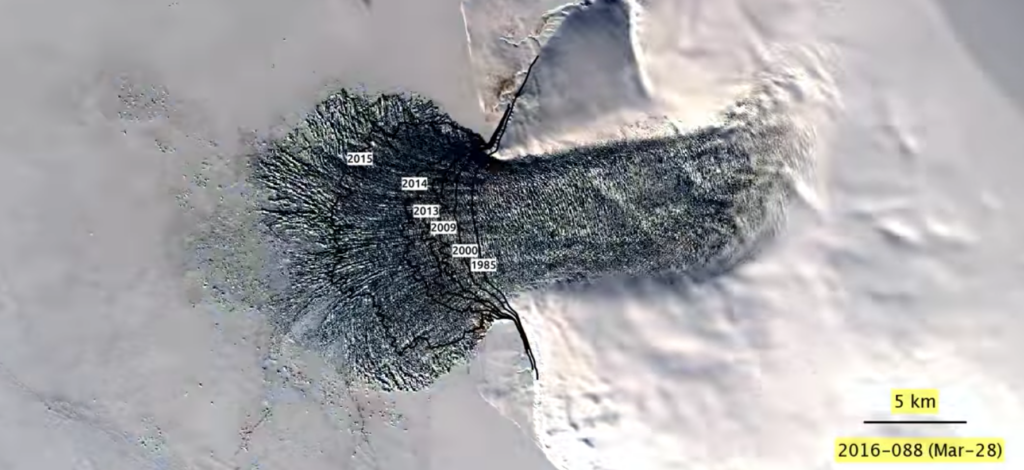
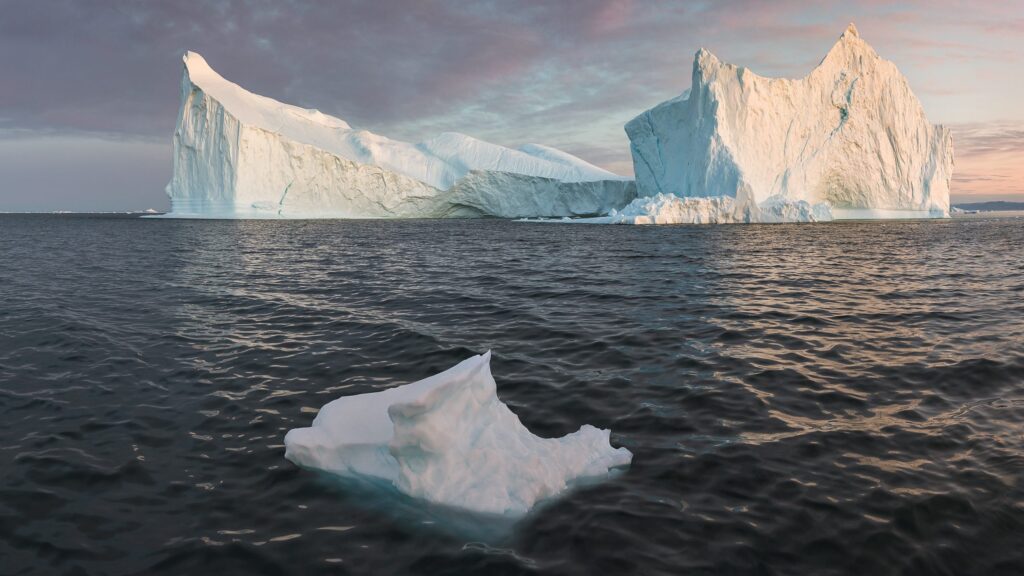
One of the most striking illustrations of this transformation is found in the Arctic, where glaciers and icebergs, once formidable sentinels of natural beauty, fracture and collapse under the strain of warming temperatures. The dramatic breaking apart of these ice masses produces what can only be described as natural spectacles, yet they signify an imminent environmental crisis. The murals painted by melting glaciers are crafted not only in shades of blue and white, but also in the more urgent hues of brown and gray, underscoring the impending peril faced by many terrestrial and marine ecosystems.
To comprehend the implications of melting glaciers, one must first recognize their role as freshwater reservoirs. Approximately 70% of the world’s freshwater is locked in ice. As glaciers recede, the immediate visual impact is the transformation of landscapes—majestic mountains lose their icy crowns, replaced by barren terrain and altered watercourses. Rivers fed by glacial melt are initially swollen with freshwater, but this boon is fleeting. Over time, diminished glacial mass results in reduced river flows, endangering both human populations and wildlife that rely on these essential water resources. The dramatic natural compositions formed by glaciers, therefore, portray a larger narrative of uneven resource distribution in a warming world.
Moreover, there is an aesthetic allure to the fabric of glacial ice itself. Embedded within these icy constructs are layers of history, each representing epochs of climate variations and atmospheric conditions. When ice cores are extracted and studied, they narrate chronicles of our planet’s climatic past. The intricate patterns found in the ice tell tales of atmospheric composition and temperature shifts that offer invaluable insights into humanity’s current predicament. Thus, the paradox of allure and alarm intertwines; the very beauty of glaciers is being eroded by forces beyond their control.
As we contemplate glaciers and their plight, it becomes essential to recognize their interconnectedness with global climate patterns. Melting ice contributes to sea level rise, which poses an existential threat to coastal communities worldwide. The once serene shorelines are increasingly threatened by the encroaching forces of the ocean, a scenario often illustrated in stark graphical contrasts—lush landscapes now facing the bleak realities of flooding. In places where communities have long stood resilient, the prospect of relocation looms ominously, prompting urgent discussions about climate justice and the ethical considerations inherent in this global crisis.
Visualizing the consequences of glacier melt also invites attention towards the myriad of species dependent on these ancient formations. Polar bears, seals, and numerous other species that call ice-bound regions home are facing unprecedented challenges. The stark imagery of a solitary polar bear precariously perched on a fragment of floating ice reflects not merely the beauty of nature but a poignant cry for survival. As their habitat diminishes, the struggle for existence intensifies, manifesting in harrowing scenes that captivate the observer yet evoke a profound sense of empathy.
As we move through this narrative of change, it is imperative to consider the solutions emerging in response to the crisis presented by melting glaciers. Innovative technologies, conservation efforts, and policy initiatives are being instituted to mitigate the effects of climate change. Renewable energy sources, such as wind and solar, are gaining traction as societies confront the realities of their carbon footprints. Meanwhile, grassroots movements are proliferating, advocating for sustainable practices and drawing the public’s focus to the fragile relationship shared with our planet.
Ultimately, the profound visual representation of melting glaciers serves as a clarion call. The stunning imagery captivates our attention, yet it underscores an urgent message. This juxtaposition of admiration for nature’s grandeur and a recognition of its dwindling presence compels a critical examination of our role as stewards of the Earth. The glaciers themselves, in all their resplendent beauty, beckon us to champion environmental responsibility, fostering a passion for preservation.
In conclusion, the illustration of melting glaciers encapsulates far more than a momentary aesthetic experience. It serves as an evocative reminder of the fragility of our planet’s ecosystems and the volatile dance of climate change. As we stand on the precipice of potential disaster, we hold the power to shape the narrative that unfolds. Embracing this responsibility is vital; together, we may be able to reverse, or at least mitigate, the tide of doom the glaciers have been forced to endure. With renewed commitment and action, perhaps, the enduring beauty of these majestic ice forms can endure long into the future.





Leave a Comment