
In an era marked by unprecedented climate change, the pressing question looms large: Is reducing greenhouse gas emissions still realistic? As humanity grapples with the existential dilemmas wrought by anthropogenic influences on our atmosphere, a profound shift in perspective is imperative. This exploration delves deep into the multifaceted strategies that could herald a new epoch of sustainability while sparking curiosity about the pathways that lie ahead.
The narrative begins with an acknowledgment of the palatable urgency surrounding greenhouse gas emissions. Carbon dioxide, methane, and nitrogen oxides—each a silent yet potent antagonist to our planet’s delicate equilibrium—have surged perilously over the past century. The data is sobering; the Intergovernmental Panel on Climate Change (IPCC) warns that we must curtail emissions by nearly half by 2030 to avoid climate catastrophe. However, amidst these daunting statistics, a sliver of hope remains. This hope is encapsulated in the realm of innovation—a veritable Pandora’s box of potential solutions waiting to be unlocked.
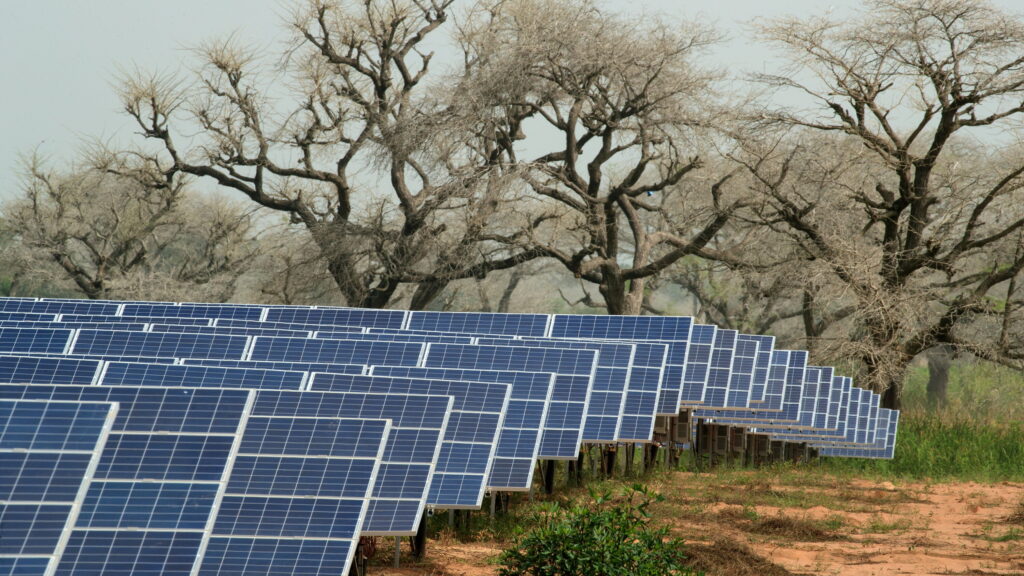
First, let us examine renewable energy technologies. The explosive growth in solar and wind energy production represents a paradigm shift that is changing the energy landscape. Historically, the reliance on fossil fuels has tethered many nations to grim cycles of environmental degradation and economic volatility. Yet now, with advancements in efficiency and storage, solar panels and wind turbines are emerging not merely as alternatives but as preferable primary sources of energy. As they proliferate, the reliance on carbon-intensive energy diminishes, and the benefits reverberate through economies, creating jobs and fostering energy independence.
Simultaneously, we must confront the undeniable role of policy in driving change. Here, the narrative tangents towards regulatory measures that can catalyze significant reductions in emissions. Carbon pricing schemes, cap-and-trade programs, and stringent emissions standards are all crucial instruments available to policymakers. Their potential effectiveness, however, hinges on public support and political will. This is not merely a legislative issue; it is a moral imperative. Citizens must become advocates for comprehensive reform, compelling their representatives to prioritize ecological sustainability as a tenet of governance.
Yet, policy alone cannot suffice. Societal transformation is vital. The individual has power—power to drive consumption habits towards sustainability. The choices made daily, from transportation to diet, can amplify collective actions that lead to substantial reductions in emissions. The adoption of plant-based diets, for instance, is not merely a personal decision but a revolutionary act that can halve an individual’s carbon footprint. Such dietary shifts, bolstered by movement towards local, sustainable agriculture, have the potential to invigorate economies, nurture community bonds, and regenerate the earth.
Education, therefore, takes center stage. A well-informed public armed with knowledge about sustainability principles can wield influence in their localities. Schools, universities, and educational campaigns must focus on environmental curricula that inspire critical thinking about consumption and conservation. Moreover, leveraging digital platforms fosters a broader dialogue. Social media, in particular, acts as a conduit for galvanizing grassroots movements, creating a collective consciousness that demands sustainable practices at every level of society.
However, we must remain vigilant against complacency in the face of technological promises. Innovations such as carbon capture and storage (CCS) hold tantalizing possibilities, yet their deployment must not serve as an excuse for continued emissions. As we explore solutions, it is crucial to emphasize that technology should complement rather than replace fundamental changes in behavior and policy. The narrative must pivot towards a holistic approach where innovation and tradition coexist harmoniously.
Furthermore, the global dimension of climate change cannot be overlooked. This is a global challenge requiring collaborative international efforts. The Paris Agreement, for instance, represents a collective commitment to limiting global temperature rise and encouraging nations to report progress transparently. Countries must engage in earnest discourse, sharing technologies, resources, and strategies to meet their emissions targets. The interconnectedness of global economies serves as both a challenge and an opportunity—one that, if addressed with sincerity, can yield untold rewards.
Nevertheless, challenges remain myriad. The inertia of existing economic systems, entrenched interests, and the pervasive influence of lobbyists are formidable barriers to progress. Resistance swells in regions where fossil fuel industries hold sway, often stifling the narrative of change. In these tumultuous waters, grassroots movements, catalyzed by a passionate populace, emerge as beacons of hope, creating local coalitions and urging transformative changes that scale up to national policies.
Ultimately, the question of whether reducing greenhouse gas emissions is realistic transcends mere feasibility. It is a question where optimism meets the complexity of human behavior, governance, and innovation. The future of our planet hinges on a conscious commitment by individuals, communities, industries, and governments to forge a sustainable path. By reframing the narrative around emissions reductions as not just a necessity, but a collective opportunity for regeneration and renewal, we open up new possibilities.
In conclusion, the actions taken today will craft the legacy bequeathed to future generations. While the road ahead may be fraught with obstacles, a multifaceted approach—anchored in innovation, policy reform, education, individual agency, and international collaboration—illuminates a realistic pathway towards reducing greenhouse gas emissions. As we traverse this path, let us kindle curiosity, inspire action, and pave the way for a cleaner, more sustainable future.






Leave a Comment