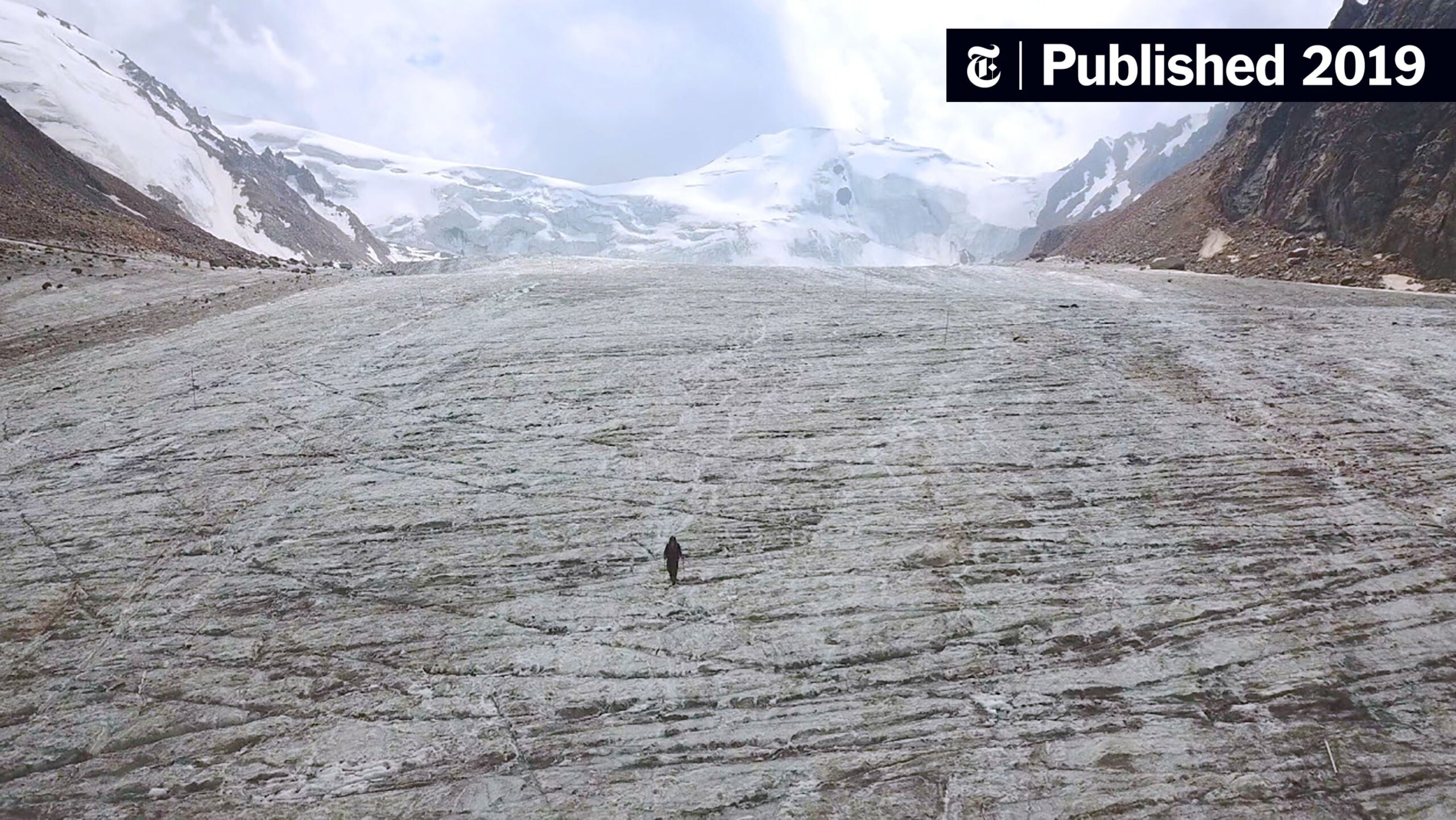
The Earth’s glaciers are the planet’s ice sentinels, preserving the memories of eons past, yet they are now retreating faster than the pages can turn in a well-thumbed tome of climatic history. This alarming narrative unsettles us like the abrupt screech of a brake on a quiet night, prompting the age-old query: Is human-generated carbon dioxide (CO₂) truly the architect of this icy demise? To unpack this inquiry, we must first traverse the landscape of atmospheric science and environmental history.
At the heart of the matter lies the distinction between natural climate variability and anthropogenic influences. The Earth has endured cycles of warming and cooling, a tale etched in the annals of glacial advance and retreat over millennia. Yet, the rapidity of current changes suggests a different narrative: one where human activity, particularly our insatiable appetite for fossil fuels, plays a significant role. The rise in atmospheric CO₂ levels is not merely a footnote but a glaring chapter in this unfolding saga.
To understand the gravity of human impact, one must consider the greenhouse effect, an exquisite orchestration of gases enveloping our planet. Think of CO₂ as a thick, insulative blanket surrounding Earth, trapping heat that would otherwise escape into the cosmos. As human activities, chiefly industrialization and deforestation, have intensified, so too has the concentration of this blanket material, leading to a dramatic increase in global temperatures.
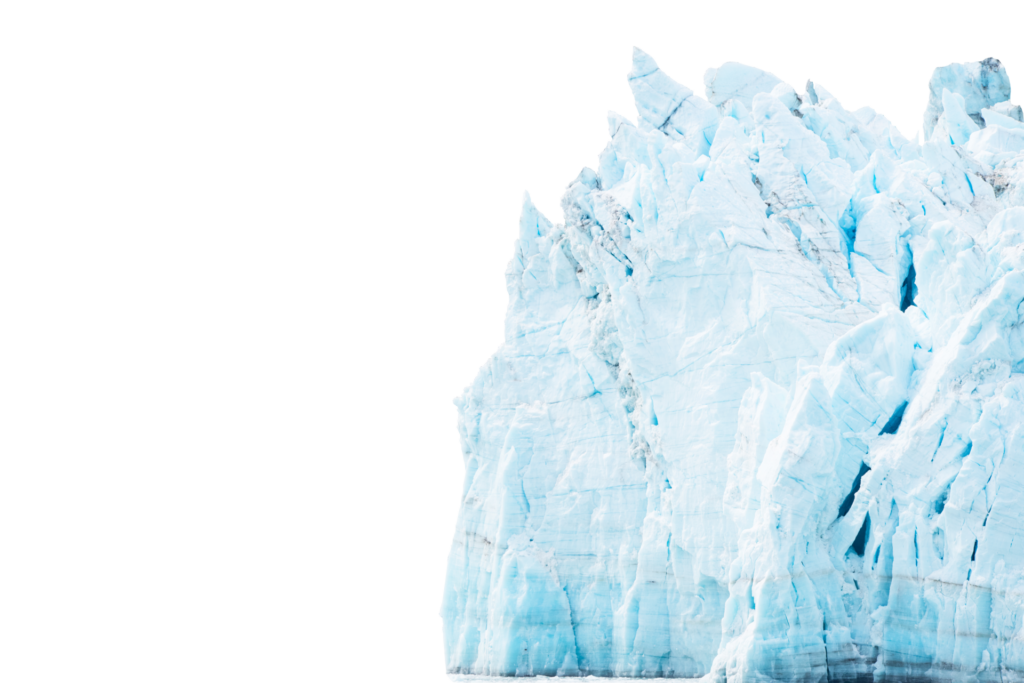
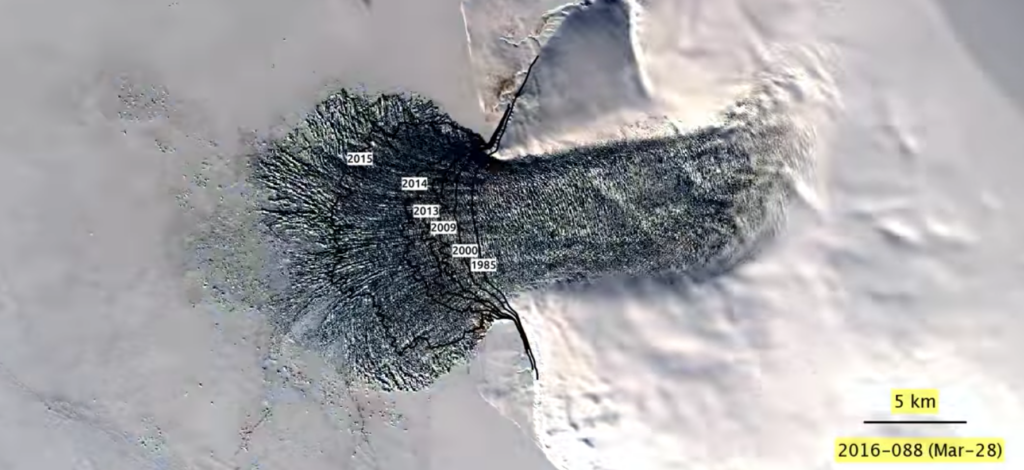
The correlations between rising temperatures and glacial melt are irrefutable. Glaciers, those majestic rivers of ice, are not impervious to the warming embrace of the atmosphere. They respond, albeit reluctantly, to the heat-induced coaxing, and what results is an alarming conflation of melting ice masses pouring into the oceans. According to scientific studies, glaciers globally are shedding their bulk at an unprecedented pace—a phenomenon likened to a once-mighty titan, now crumbling away, piece by piece.
This transformation paints a dire picture for millions who rely on glacial runoff for freshwater. For communities nestled in the shadow of these icy giants, the implications are profound. As glaciers recede, their ability to provide a steady supply of meltwater diminishes, leading to potential water crises for agriculture and consumption. The narratives of these communities vary, yet they converge on a single theme: uncertainty.
Yet, the debate surrounding human CO₂ emissions and glacier melt is not confined to alarmism. Some narratives argue that natural variability plays a more significant role than often acknowledged. Such perspectives highlight ancient warming periods, suggesting that perhaps we are merely participants in a sprawling saga that has unfolded across epochs. However, data and models underscore the unprecedented rate at which CO₂ levels have risen since the dawn of the Industrial Revolution. Science, it would appear, leans heavily towards attributing the swift changes we witness to our collective actions.
Consider how scientific inquiry is akin to a detective unraveling a complex mystery. Climatologists utilize an arsenal of tools—satellite measurements, ice core samples, and climate models—to decode the climate’s past, present, and future. Ice cores, for example, capture centuries of atmospheric data, stored like whispered secrets within layers of ice. They reveal a narrative of CO₂ concentrations that reflect both natural variations and the stampede of human activity.
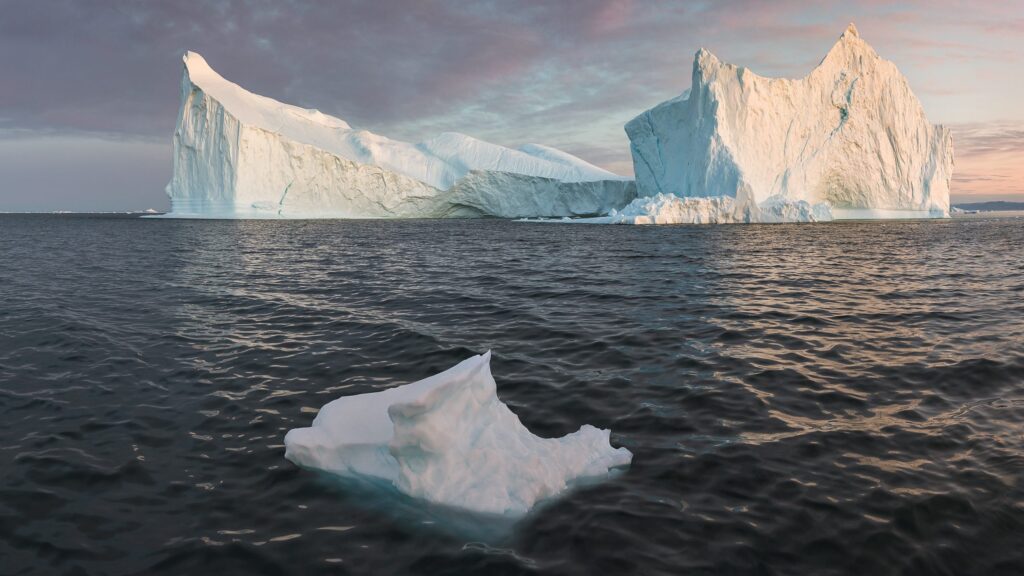
The polar regions serve as the canary in the coal mine, offering an early warning sign of the perilous trajectory we are on. The Arctic, once adorned with vast expanses of ice, now stands witness to transformations that threaten to rewrite its history. The thinning ice sheets disrupt ecosystems, driving species towards uncertainty, while simultaneously contributing to rising sea levels threatening coastal communities worldwide.
One might wonder about the emotional ramifications of witnessing such transformations. As the glaciers dwindle, they symbolize something greater—our vulnerability and the tenuous hold we have over our planet’s future. A world without glaciers evokes a haunting vision, akin to losing a cherished piece of art; we become aware of how precious and irreplaceable the beauty of our environment is. In this regard, glaciers serve not merely as indicators of climate health but as icons of our responsibility towards the Earth.
To mitigate the forces contributing to glacier melt, a multi-faceted approach is imperative. Reduction of carbon emissions is a primary target, and yet, it cannot stand alone. Transitioning to renewable energy sources, enhancing energy efficiency, and advocating for sustainable practices across industries are components of a larger strategy. Collective ingenuity must fuel an overarching movement for change, one where individuals, communities, and global entities unite under the shared banner of stewardship for our planet.
However, our journey does not end with awareness. Education plays a pivotal role in shaping resilient communities. By understanding the causes and implications of glacier retreat, we empower future generations to advocate for policies grounded in environmental ethics and scientific integrity. In effect, we transform the narrative from one of helplessness to one of action—turning each glacial melt into a call for preservation.
In conclusion, while the question of human CO₂ contributions to glacier melt may come with nuances, the evidence compellingly aligns with a narrative underscored by human action. The time has come to reflect on our relationship with the Earth and its icy monuments. To ignore this unfolding reality is to disregard the beauty and fragility of our planet, leaving behind a legacy stripped of ecological richness. Let us embark on this path of understanding and advocacy, for how we respond today will echo across the generations yet to come.





Leave a Comment