How vulnerable is Africa to the ravages of global warming and climate change? This question evokes an unease, as the continent finds itself at the crossroads of environmental degradation and socio-economic disruption. The enormity of the challenge is compounded by Africa’s vast and diverse landscape, which varies dramatically from one region to another. While some areas are blessed with rich agricultural lands, others are marred by aridity and desertification. This dichotomy raises a crucial inquiry: Can a continent so blessed with resources also be so perilously exposed to environmental shifts?
To grasp the extent of Africa’s vulnerability, one must consider its geographical diversity. The northern regions, characterized by the Sahara Desert, experience extreme temperature fluctuations and limited rainfall. Conversely, the central and southern parts of the continent benefit from lush rainforests and fertile plains. Yet, these verdant regions are not immune to the repercussions of climate change, as unpredictable weather patterns disrupt traditional farming practices. This prompts an unsettling realization: the very ecosystems that sustain millions are slowly eroding beneath the weight of a warming planet.
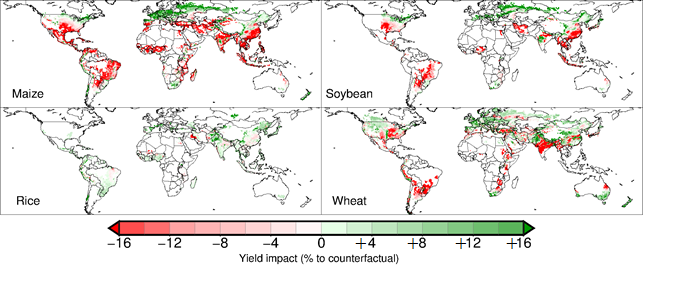
Moreover, Africa’s socio-economic fabric is another layer of complexity. A staggering percentage of the population relies heavily on agriculture for their livelihoods. Smallholder farmers cultivate staple crops such as maize, rice, and cassava, which are not only essential for food security but also serve as a backbone for local economies. However, as climates shift, crop yields are experiencing a debilitating decline. Diminished harvests usher in a cycle of poverty and hunger, whereby communities struggle to adapt to the new normal. To paint a vivid picture: Imagine a farmer who, after years of nurturing his land, suddenly finds himself staring at barren fields. What alternatives does he possess?
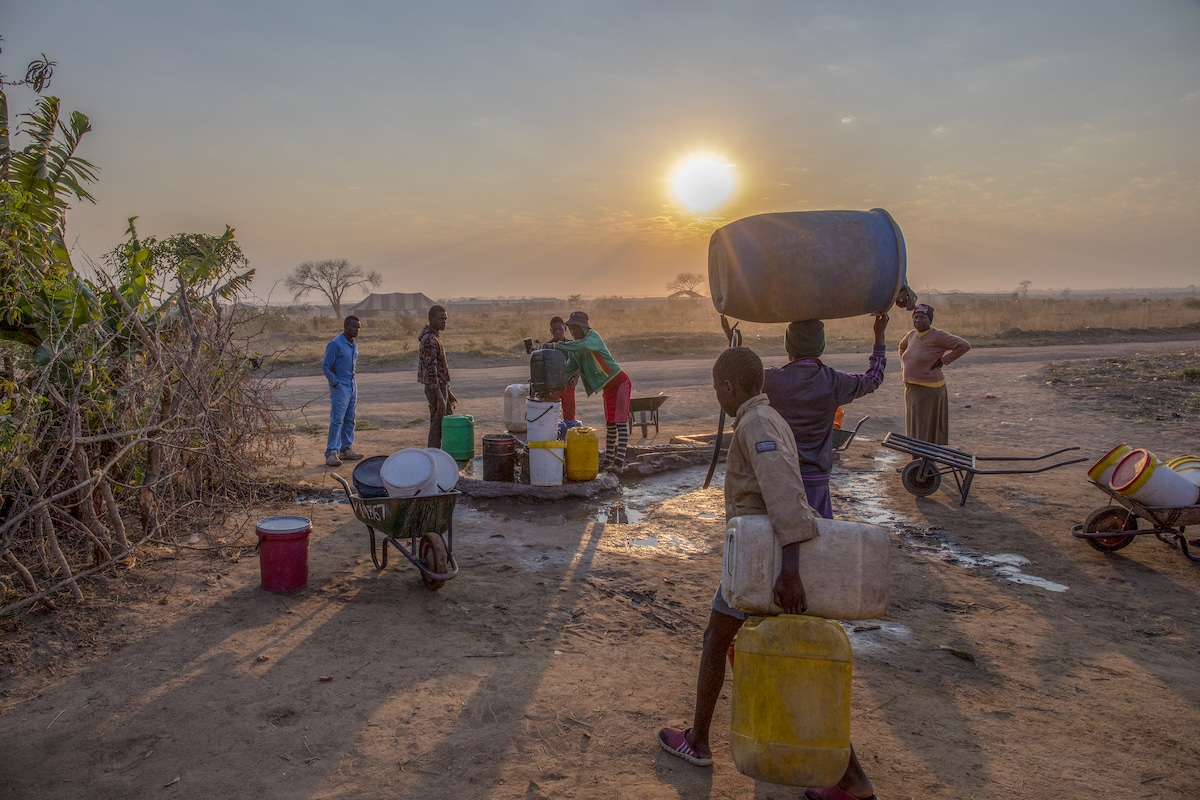
Water scarcity emerges as another pressing issue within the context of climate change in Africa. The continent is home to some of the world’s largest river systems, including the Nile and the Congo, yet access to clean and reliable freshwater remains a poignant challenge. Overexploitation, pollution, and changing rainfall patterns culminate in a precarious scenario where millions of people grapple with insufficient supply. In many regions, particularly sub-Saharan Africa, the struggle for water becomes a daily burden, affecting health, education, and economic prospects. Can societies thrive when their most fundamental resource is under siege?
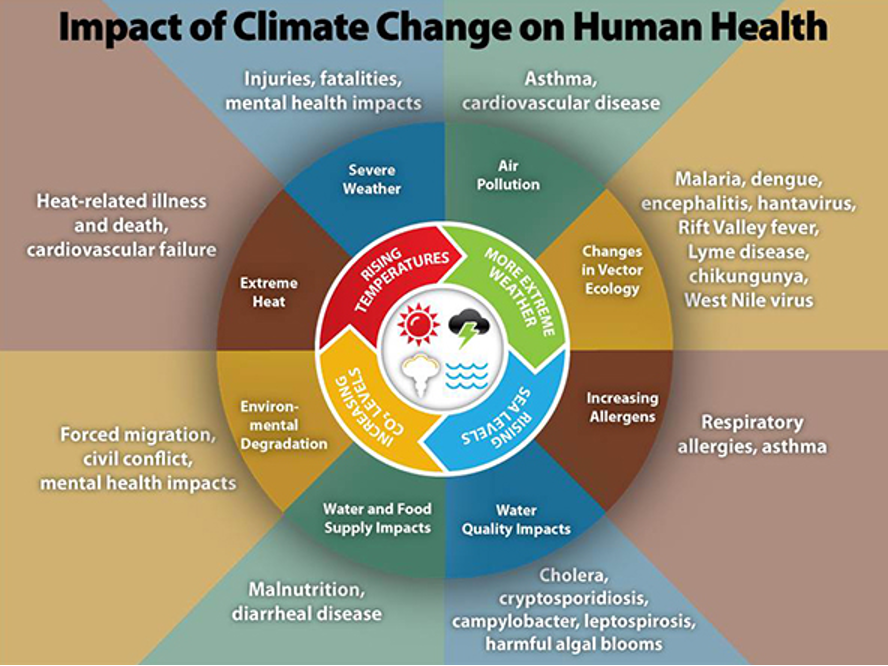
The interconnectedness of climate change and human health is yet another facet of Africa’s vulnerability. Rising temperatures and erratic weather conditions create perfect breeding grounds for vector-borne diseases such as malaria and dengue fever. As mosquito habitats expand into previously unaffected areas, health systems, already overstretched in many African nations, face insurmountable pressure. Contemplate this: a community that once thrived due to its agricultural bounty now finds itself besieged by health crises, further depleting their capacity to adapt and recover.
Economic implications loom large as well. With a burgeoning population, urbanization is rapidly transforming Africa’s cities. While this trend can drive economic growth, it also escalates the challenges posed by climate change. Urban areas, often lacking adequate infrastructure and services, are particularly vulnerable to extreme weather events such as floods and heatwaves. The blame does not rest solely on the environment; rather, it is a reflection of inadequate planning and investment. Will these cities, the engines of future economic prosperity, be able to weather the storm, or will they succumb to the elements?
Yet, amidst the shadows cast by climate change, glimmers of hope and resilience emerge. Communities are increasingly engaging in innovative adaptation strategies. Agroecological practices, which incorporate traditional knowledge with sustainable techniques, are gaining traction among farmers. For instance, intercropping, a method that promotes planting multiple crops together, can enhance soil fertility and yield resiliency. This raises an intriguing question: could the solution to Africa’s climate vulnerabilities lie in the very traditions of its people?
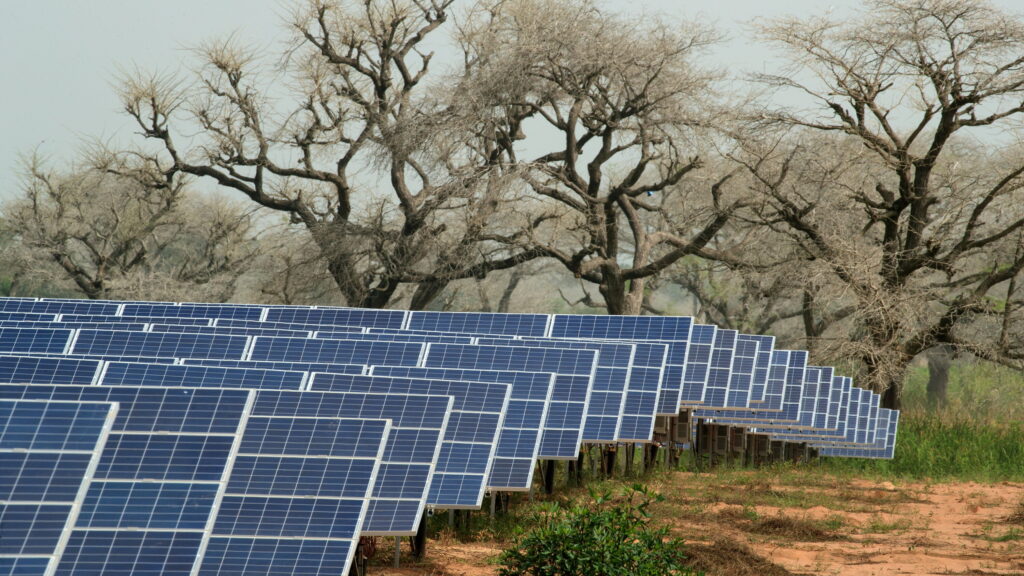
Moreover, the embrace of renewable energy sources is crucial for combating climate change on the continent. As Africa possesses abundant sunlight and wind, the potential for solar and wind energy could catalyze a transformational shift. Harnessing these resources not only mitigates carbon emissions but also provides much-needed energy access to millions who live without electricity. Imagine a future where rural communities power their homes and industries through sustainable means, illustrating a path toward self-sufficiency and resilience.
In conclusion, the answer to how vulnerable Africa is to global warming and climate change is layered and complex. The intertwining webs of environmental, economic, and social factors amplify this vulnerability, presenting formidable challenges to communities across the continent. Nevertheless, the tenacity and ingenuity of Africa’s people illuminate potential pathways for adaptation and resilience. As nations confront these challenges head-on, one must ponder: How can global cooperation and local initiatives align to forge a sustainable future for a continent that harbors the hopes of millions? The answers might just hold the key to not only Africa’s destiny but the health of our planet as a whole.





Leave a Comment