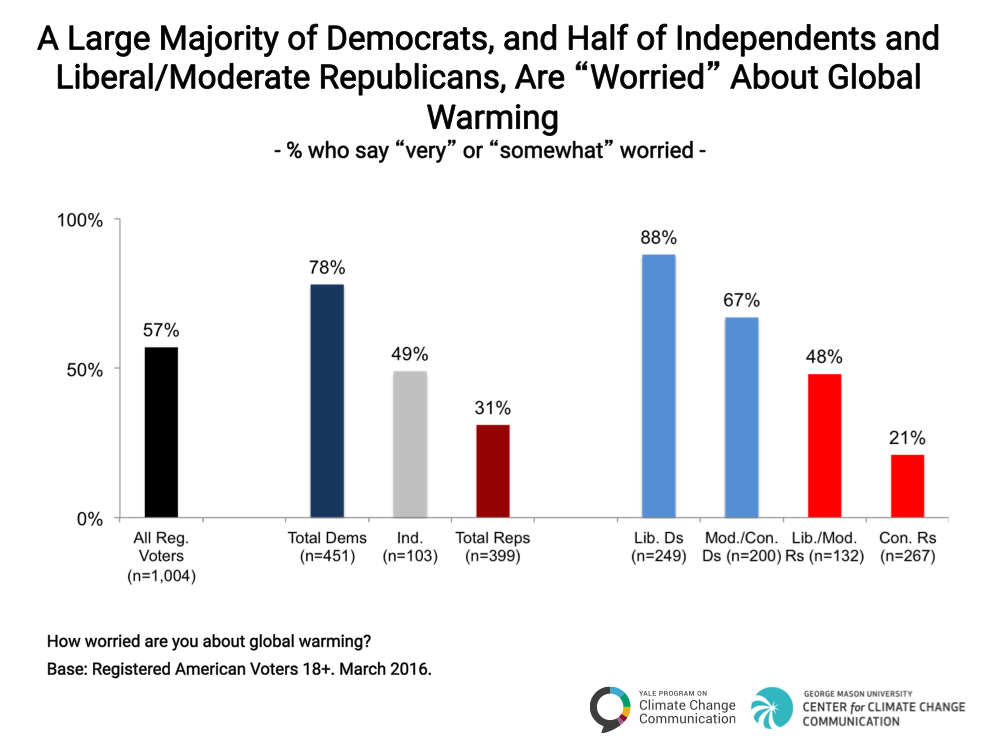
In the vast ocean of information surrounding global warming, individuals often find themselves grappling with turbulent waves of political agendas and sensationalist media narratives. To navigate through the deluge of opinions and half-truths, one must embark on a quest for knowledge that is both enlightening and untainted by bias. Just as a sailor requires a dependable compass to traverse unpredictable waters, you need a robust framework to guide your research into the complexities of climate change. Herein lies a methodical guide to exploring this critical topic with objective rigor.
Firstly, it is imperative to establish a baseline understanding of what constitutes global warming. At its core, global warming refers to the long-term rise in Earth’s average surface temperature due to human activities, primarily the emission of greenhouse gases. However, this definition is merely the tip of an iceberg that conceals intricate layers of scientific phenomena. To peel back these layers, one must cultivate an authentic interest in the science behind climate change.
Educational institutions and reputable scientific organizations serve as bastions of knowledge, offering a plethora of resources grounded in empirical research. Academic journals, such as the journal “Nature Climate Change,” present peer-reviewed articles that delve deep into the mechanics of global warming. The importance of peer review cannot be overstated; it ensures that the research presented has undergone meticulous scrutiny by experts in the field. As you peruse these publications, akin to a botanist examining flora in a greenhouse, allow yourself to become immersed in the empirical evidence that shapes our understanding of the climate crisis.
Next, one must hone the art of critical thinking. In this age of information overload, where every opinion can masquerade as fact, discernment becomes your greatest ally. Approach each piece of information as a detective would scrutinize a case. Ask yourself: Who authored the material? What motivations might lie behind its publication? What methodology was employed in the research? By wielding a skeptical lens, you can sift the valuable nuggets of truth from the chaff of misinformation.
In conjunction with scientific literature, consider engaging with neutral scientific organizations. Synergistic entities like the Intergovernmental Panel on Climate Change (IPCC) provide comprehensive assessments drawn from a multitude of studies. Their Reports are akin to encyclopedic tomes, encapsulating the consensus of climate scientists worldwide. Be wary, however; these documents, while enlightening, can be laden with technical jargon. Approach them not as a mere duty, but as an academic expedition, taking the time to decode complex terminologies and grasp the underlying concepts.
Equally significant is the diversity of perspectives—without succumbing to bias or misinformation. Engaging with varied sources can illuminate the multifaceted nature of climate change. Books by respected climatologists, environmental activists, and even economists contribute to a holistic understanding. Each author brings a unique lens, much like individual colors contributing to a captivating mural. However, allow yourself to remain tethered to credibility. Prioritize authors with established credentials in their fields, ensuring their contributions are grounded in expertise rather than conjecture.
As a compass points north, so too does collaboration with local and international organizations steer your research towards enriching dialogue. Numerous grassroots and non-profit organizations are committed to climate advocacy and education. By attending seminars, workshops, or public discussions hosted by these groups, you will not only expand your knowledge but also encounter a community of like-minded individuals eager to foster positive change. This collaborative spirit can serve as both inspiration and motivation, amplifying your understanding and engagement with the global issue at hand.
Furthermore, embrace the power of data literacy. In a world awash with statistics, the ability to discern credible data sources is invaluable. Understanding data visualization, such as graphs and charts depicting temperature trends or carbon emissions, can deepen your insight into the scientific narrative. Websites like the National Oceanic and Atmospheric Administration (NOAA) and NASA provide reliable datasets that depict climate trends over time. Learning to interpret this data critically enables you to form well-rounded arguments based on facts rather than mere rhetoric.
As you immerse yourself in the narrative of global warming, consider adopting a multidisciplinary approach. Climate science intersects with economics, sociology, politics, and ethics. Exploring these fields can enhance your comprehension of global warming not merely as a scientific phenomenon but as a societal challenge. Examples abound: understanding the economic implications of renewable energy deployment or the ethical dimensions of climate justice adds depth to your research and strengthens your arguments when advocating for action.
Lastly, keep an open mind. The scientific inquiry is a dynamic process that invites continual learning. Embrace new information, revising your viewpoints as mainstream scientific understanding evolves. The fluid nature of science, akin to shifting sand, reminds us that knowledge is never static. Engaging in discussions, whether in person or through online forums, can spark debates that challenge your understanding and lead to richer insights.
In conclusion, researching global warming devoid of political or media bias necessitates a vigilant approach marked by curiosity, critical evaluation, and a willingness to learn. By grounding your inquiries in reputable scientific sources, fostering collaboration, and interpreting data judiciously, you cultivate an informed perspective poised to contribute positively to the global discourse. In this monumental quest to understand climate change, remember that your mission is not exclusive to yourself; it is an expedition that binds humanity in a shared responsibility to safeguard our planet for future generations.






Leave a Comment