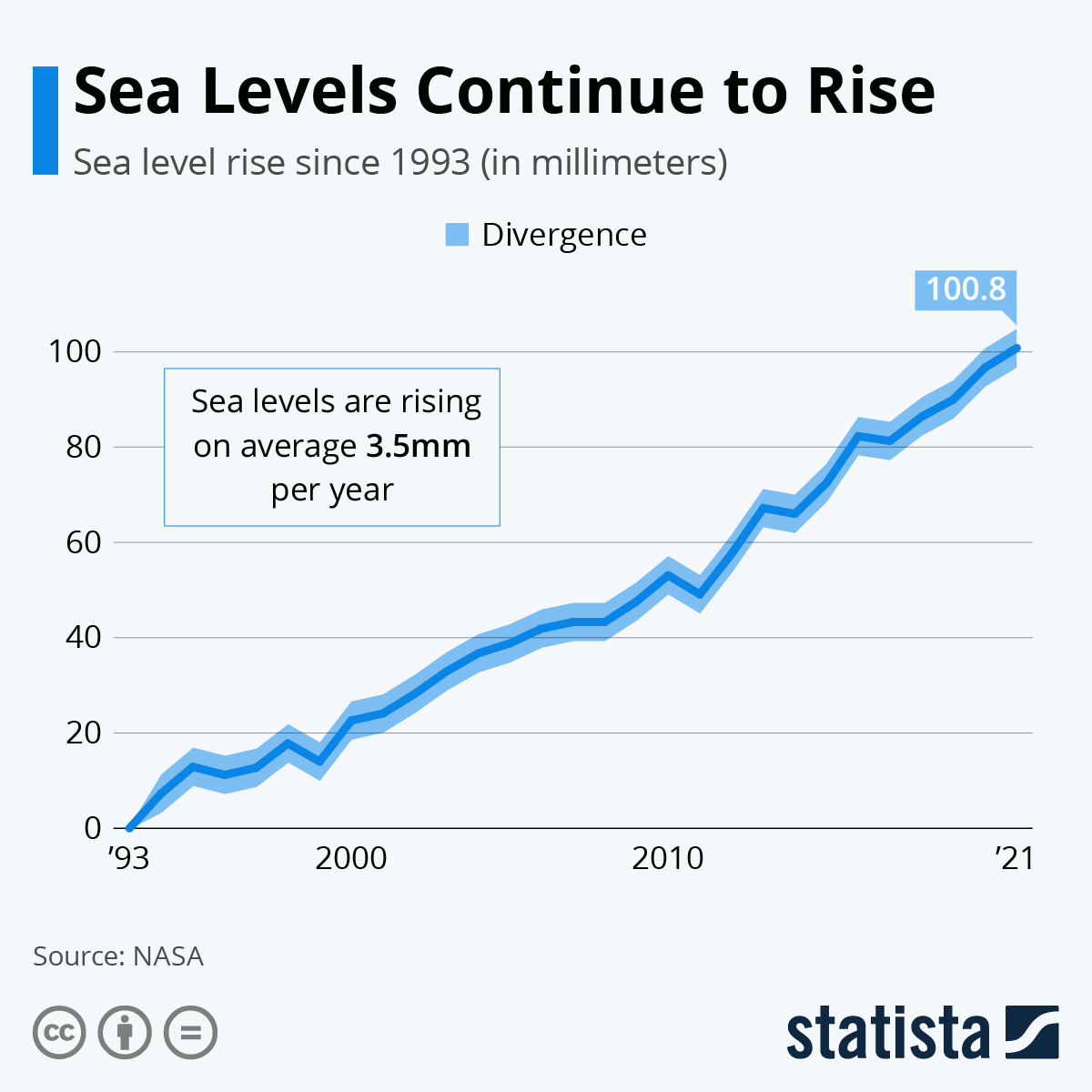
Understanding the implications of rising sea levels is paramount for those living in coastal regions or near bodies of water. The phenomenon of sea level rise is both alarming and complex, yet it is essential for residents to grasp its gravity and to ascertain whether it is impacting their locale. Herein, we delve into comprehensive methodologies and resources that can be employed to determine if sea levels are on the rise where you live.
1. Review Local Tide Gauge Data
Tide gauges have been utilized for centuries to measure the fluctuations of sea levels. These instruments, strategically placed along coastlines, provide a reliable historical record of tide patterns. By examining data from local tide gauges, one can discern trends over time. It is advisable to access databases maintained by governmental agencies or oceanographic institutes that track these measurements. Often, these data are presented in a user-friendly format, allowing residents to compare historical data with contemporary figures.
Many coastal towns and cities have their own dedicated tide stations, and these provide invaluable insights into regional changes. Reviewing these records can furnish a clear picture of whether sea levels are creeping upwards in your specific area.
2. Explore Satellite Imagery and Remote Sensing Technology
In the contemporary age, technological advancement has revolutionized the way we collect and analyze environmental data. Satellite imagery enables comprehensive monitoring of coastal changes, allowing individuals to scrutinize how shorelines have transformed over the decades. Organizations such as NASA provide access to satellite-derived datasets that map sea level changes globally. For the astute observer, this can reveal not only the extent of sea level rise but also its implications for nearby ecosystems.
Remote sensing technology can assess vast expanses of coastal land, offering a macroscopic viewpoint of rising tides. By juxtaposing images from different time periods, residents can visualize shifts in land usage, erosion patterns, and flooding events, which are often precursors to significant changes in sea levels.
3. Consult Local Environmental Agencies
Local governmental and environmental agencies are pivotal resources for understanding the nuances of sea level fluctuations in your area. Many municipalities have mounted initiatives to address climate change and its impacts, including sea level rise. Engaging with these organizations allows individuals to access normative studies, projections, and local assessments. These agencies may conduct regular workshops or public forums, providing the opportunity for community members to discuss follow-ups regarding climate projections and environmental best practices.
Furthermore, many agencies also publish climate adaptation plans, outlining the anticipated effects of rising sea levels and the measures being undertaken to mitigate potential risks. Learning about these methods can empower communities to advocate for protective policies and practices.
4. Connect with Academic Institutions
Academic research plays a significant role in elucidating the complexity of climate dynamics. Universities and research institutions often engage in studies addressing sea level changes, utilizing intricate models to predict future scenarios. Collaborating with these institutions can yield access to peer-reviewed research that specifically correlates to your geographic area.
Moreover, attending seminars or lecture series on environmental science hosted by these institutions can further illuminate how sea level changes impact local ecosystems. Engaging with scholars and experts in the field fosters a better understanding of the broader implications of rising tides.
5. Utilize Online Platforms and Apps
The digital age offers an abundance of tools for individuals keen on investigating environmental changes. Numerous online platforms aggregate data related to sea level rise, providing interactive maps that allow users to visualize potential flooding scenarios. For instance, by entering your address into certain websites, you can gain insight into the projected impact of rising sea levels on your property.
Apps that combine augmented reality with environmental data are emerging as powerful tools, allowing individuals to visualize scenarios based on real-time data on rising tides and climate projections.
6. Monitor Weather Patterns and Natural Disasters
Inextricably linked to sea levels are changing weather patterns and the frequency of natural disasters. Observing trends in extreme weather events, such as hurricanes, heavy rainfalls, and coastal flooding, can provide indirect evidence of rising seas. Communities that experience recurrent flooding might look into the historical frequency and impact of these events, correlating them with changes in sea levels.
Individual observations combined with meteorological data can elucidate how climate change and rising sea levels are manifesting at the local level. Furthermore, organizations that focus on disaster preparedness may provide insights specific to your region.
7. Engage with Community Initiatives
Finally, community engagement is pivotal in addressing and mitigating the effects of rising sea levels. Becoming involved with local initiatives aimed at sustainability and climate action can foster awareness and advocacy. Community groups often disseminate information about local environmental issues and encourage collective action to combat the effects of sea level rise.
Participation in local beach clean-up efforts, tree-planting campaigns, or educational workshops can not only bolster community ties but also enhance understanding of climate-related challenges. Moreover, these activities can catalyze meaningful discussions about adaptation strategies and resilience planning for your region.
In conclusion, verifying the reality of rising sea levels in your locality is a multifaceted endeavor that encompasses a variety of investigative strategies, from assessing local tide gauge data to engaging with community initiatives. An understanding of these processes enriches our collective response to one of the most pressing environmental challenges of our time. It’s more than just an ecological concern; it’s about ensuring a sustainable future for generations to come.






Leave a Comment