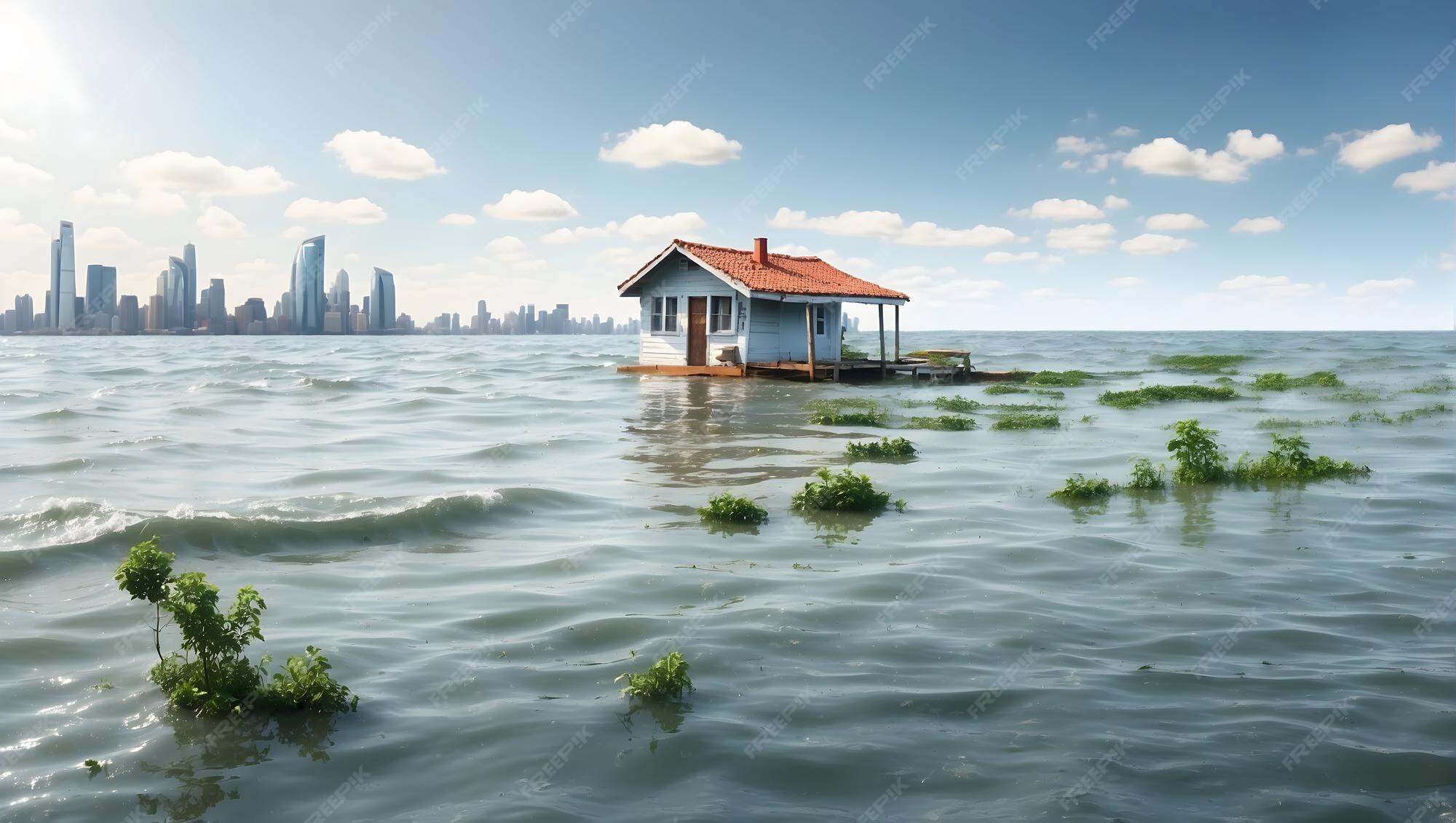
As we contemplate the trajectory of our planet, one realization looms ominously: rising sea levels are not merely an environmental issue; they are a profound societal threat. The consequences of unchecked climate change ripple across generations, resonating deeply within the tapestry of human existence. The urgency of understanding these implications cannot be overstated, as the specter of inundation hangs over coastal communities, ecosystems, and economies alike.
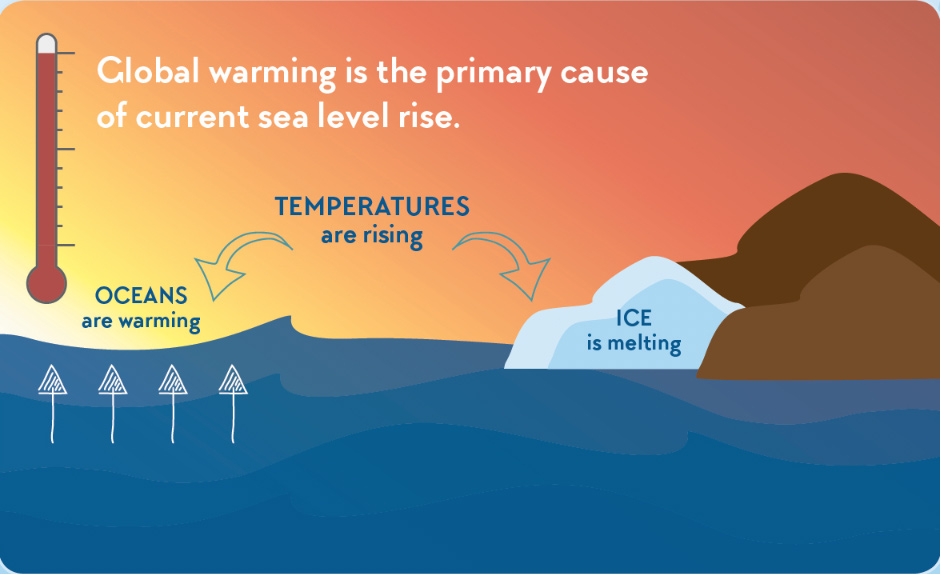
First, it is imperative to comprehend the mechanisms behind rising sea levels. Primarily, two principal factors contribute to this phenomenon: thermal expansion of seawater and the melting of polar ice caps. As global temperatures escalate, oceans absorb excess heat, expanding in volume. Concurrently, glaciers and ice sheets succumb to warmer temperatures, releasing vast quantities of freshwater into the seas. The confluence of these processes signifies an alarming trajectory that will alter the Earth’s geographical and socioeconomic landscapes.
Transitioning from a scientific understanding to its sociocultural implications reveals a troubling reality. Coastal cities, often bustling metropolises, serve as the nodes of commerce, culture, and human endeavor. Iconic urban landscapes—think New York, Miami, and Tokyo—are particularly vulnerable. As sea levels rise, these urban centers face existential threats. The potential for severe flooding will necessitate massive engineering feats, creating a strain on governmental resources and financial infrastructures. Yet, it’s not merely the loss of buildings and roads that will reverberate through future generations; it is the displacement of residents, the shattering of community bonds, and the lost historical contexts that will resonate through time.
Moreover, the economic ramifications of rising sea levels are profound. Industries that rely on coastal operations—from fishing to tourism—will see their livelihoods imperiled. An economy buoyed by coastal resources is at risk of being submerged, quite literally. Fisheries may dwindle due to changing marine habitats, pushing local fishermen to explore once-unimaginable waters or abandon their trade altogether. Similarly, tourism—a vital cog in many coastal economies—faces a precarious future as pristine beaches erode or disappear entirely. As generations inherit these economic vacuums, the cycle of prosperity could falter dramatically.
As we examine the multifaceted repercussions on future generations, we cannot ignore the environmental cascade that will subsequently unfold. Coastal ecosystems, like mangroves and coral reefs, act as natural buffers against storms and rising tides. Their degradation will exacerbate flooding and erosion, presenting a dual challenge—both loss of biodiversity and increased vulnerability of coastal societies. These ecosystems are not mere backdrops to human activity; they are vibrant communities that contribute to global health. The demise of these natural habitats will reverberate across generations, stripping the planet of its rich biodiversity and erasing esoteric knowledge amassed by indigenous cultures.
Furthermore, the psychological toll on future generations cannot be overlooked. The threat of rising seas invokes a sense of foreboding that permeates our social fabric. Children raised in the shadow of environmental catastrophe may wrestle with anxiety, despair, and disillusionment. Climate change is often framed as an industrious problem to be solved, but for many, it cultivates an overwhelming sense of helplessness. The narratives woven into our educational systems will have to include these realities, shaping the worldview of youth who may see their futures overshadowed by uncertainty. Individual and collective resilience becomes paramount, as society grapples with both the psychological burden and the responsibility to invoke change.
Nevertheless, hope persists within the human spirit. Future generations possess the potential to become catalysts for transformative action. As technology and innovation burgeon, solutions for climate mitigation and adaptation could flourish. The architectural ingenuity of floating cities, robust coastal defenses, and enhanced infrastructure may offer pathways to cohabitate with rising waters. Education must evolve, equipping youth with the tools to envision and construct a sustainable future. This intertwining of ingenuity and commitment to environmental stewardship signifies a beacon of optimism amid the encroaching tide.
In conclusion, the threat of rising sea levels transcends mere environmental discourse; it invites an examination of the legacy we bestow upon future generations. It compels us to reckon with the intricate interplay between our ecological footprints and the resilience of society. Each incremental increase in sea level holds the potential to reshape our coastal communities, challenge our economies, devastate ecosystems, and alter the narratives of future youth. Armed with knowledge, a commitment to sustainability, and a profound understanding of our interconnectedness, we embark on a shared journey toward forging a future that embraces the challenges of rising tides, ensuring our children inherit not only a planet, but a thriving home. The choices we make today will set the course for generations yet unborn, as they look back and grapple with the legacy of our interactions with the Earth.






Leave a Comment