In recent years, the discourse around climate change has intensified, drawing both fervent support and staunch opposition. The National Climate Assessment (NCA) plays a pivotal role in this conversation, serving as an authoritative source of information regarding the impacts of climate change in the United States. However, questions regarding its reliability often emerge, reflecting a broad spectrum of opinions and concerns. This article delves into the veracity of the NCA, scrutinizing its methodologies, data sources, and conclusions, while also addressing the underlying fascination with its findings.
At first glance, one might dismiss critiques of the NCA as mere skepticism from those disinclined to accept climate science. However, beneath this common observation lies a deeper intrigue regarding public perception and the scientific narrative at play. Why do some cling to doubts about such a comprehensive assessment? Understanding both the NCA’s framework and the critiques it faces is essential to grasp the complexity of this issue.
The National Climate Assessment is a product of extensive scientific research, mandated by the Global Change Research Act of 1990. Every four years, it synthesizes data from diverse sources, encapsulating not only current trends but also projecting future scenarios. Renowned experts across various disciplines contribute to its comprehensive analysis, ranging from climatology to economics. In essence, the NCA aims to provide a multidimensional view of climate impacts on the environment, economy, and public health.
One of the most significant aspects that bolster the NCA’s reliability is its rigorous peer-review process. Data is subjected to thorough scrutiny by a cadre of independent scientists prior to publication. This methodical evaluation lends credibility to the assessment, ensuring that varying perspectives are considered, thereby minimizing biases. Yet, skeptics often argue that despite this quality control, inherent biases may still influence which studies are included and how findings are interpreted. This contention raises a fundamental question: can research ever be completely free from the biases of its compilers?
Furthermore, the NCA is adept at employing sophisticated modeling techniques to project future climate conditions. These models, though based on established scientific principles, come with inherent uncertainties. For example, predicting the exact trajectory of greenhouse gas emissions or the localized effects of climate change remains challenging. Critics seize upon these uncertainties as evidence of unreliability; however, such skepticism overlooks the reality that uncertainty is an intrinsic aspect of scientific inquiry. The real question should be about how these uncertainties are communicated to the public and policymakers, rather than a blanket dismissal of the findings.
Diving deeper into the realm of public perception, it becomes evident that trust plays a crucial role in the acceptance of the NCA. People are more inclined to believe information when it aligns with their pre-existing beliefs. Consequently, individuals who deny climate change may dismiss the NCA despite its reliable scientific underpinnings. This phenomenon speaks to a broader societal issue—how deeply entrenched narratives can overshadow empirical evidence. The NCA’s portrayal of alarming climate scenarios may evoke fear, leading some to reject its conclusions outright in favor of more palatable interpretations.
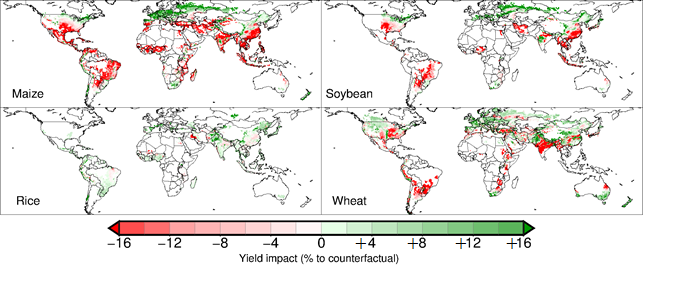
An intriguing aspect of the NCA that captivates readers is its articulation of regional impacts. The report breaks down the climate crisis into localized phenomena, illustrating specifically how varying regions will experience unique challenges. For instance, coastal areas face increasing threats from sea-level rise, while the Southwest grapples with intensified drought conditions. This geographic aspect provides a relatable narrative, compelling communities to engage with the issue more personally. Notably, it underscores the urgent need for tailored mitigation strategies and adaptation measures.
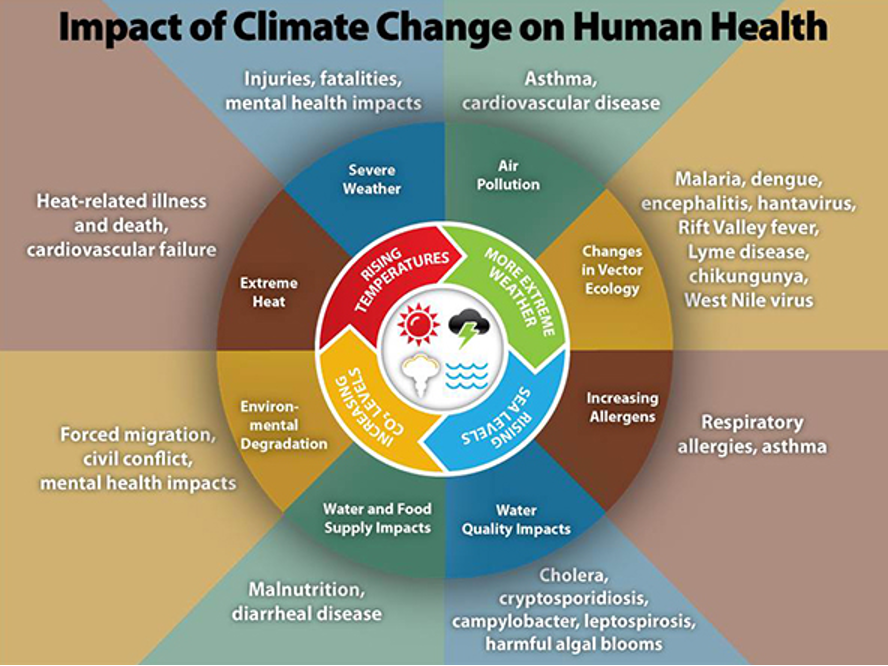
Moreover, while analyzing the socioeconomic dimensions of climate change, the NCA reveals a disturbing truth: vulnerable populations are disproportionately affected. This realization has sparked a vigorous discourse on environmental justice, further deepening the complexities surrounding climate compliance. Critics may argue that the NCA’s emphasis on such disparities is an attempt to propagate political agendas; yet, the recognition of these inequalities is crucial for navigating the multifaceted landscape of climate action.
It is also essential to consider the role of dissenting opinions in scientific discourse. The NCA acknowledges alternate viewpoints, critically weighing them against the preponderance of evidence. This approach not only fosters intellectual rigor but also enriches the dialogue surrounding climate science. The dynamic interplay between mainstream acceptance and minority skepticism generates a fertile ground for further research, ultimately enhancing the NCA’s integrity. The robustness of scientific consensus juxtaposed with the presence of dissenting voices illustrates a healthy, albeit contentious, exchange of ideas.
Ultimately, the inquiry into the reliability of the National Climate Assessment transcends mere metrics and methodologies. It taps into deeper questions about trust, belief, and the intricacies of scientific communication. The fascination with the NCA arises not solely from its data but from its capacity to influence policy and public sentiment. As society grapples with the existential threat posed by climate change, understanding the nuances of reports such as the NCA becomes paramount. It is not merely a question of reliability; it is a discourse on our collective future. The stakes are monumental, and the dialogue must continue, rooted in a commitment to informed decision-making amidst uncertainty.
In conclusion, while skepticism surrounding the National Climate Assessment is understandable, it is imperative to approach such critiques with a discerning eye. The verifiable methodology, rigorous peer review, and comprehensive analysis exemplify the NCA’s reliability, even as it grapples with inherent uncertainties and public perception challenges. Embracing the NCA’s findings, as part of the broader scientific consensus, is vital for shaping effective responses to the climate crisis that confronts us all.






Leave a Comment