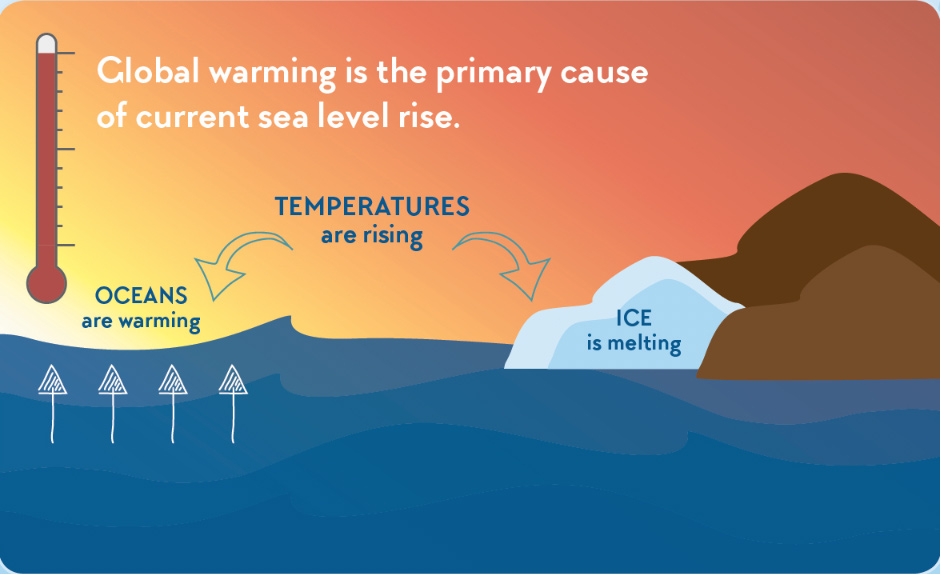
The situation facing our oceans is akin to a tender, yet volatile, dance between the elements. As temperatures rise, we witness a transformative phenomenon: the ocean becoming not merely a reservoir of water but a dynamic entity that interacts with its surroundings in complex ways. One of these changes arises from the subtle, yet profound, heating of ocean waters and its consequential effects on global sea levels. It’s an intricate interplay where warmth exerts a silent influence, expanding water rather than visibly adding to it. In this exploration, we will delve into how ocean heating clandestinely raises sea levels without a perceptible influx of water.
At the outset, it’s important to comprehend the mechanism of thermal expansion. Like an inflating balloon, warmer water occupies more space. When ocean water heats up, its molecules begin to vibrate more vigorously, requiring a larger volume to accommodate this increased energy. This expansion contributes significantly to rising sea levels. The physics of thermal expansion, a phenomenon often overlooked in public discourse, serves as a reminder that the ocean is not merely a static backdrop to our planet, but a living, breathing mass that responds to temperature changes.
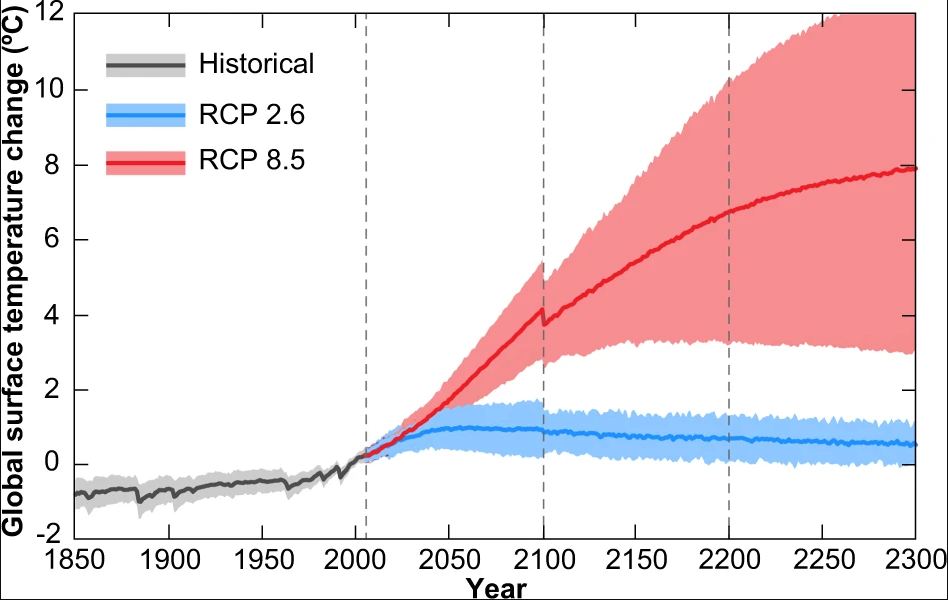
As we traverse the complexities of this process, we must confront the essential role of greenhouse gases. Emissions from human activities blanket our atmosphere, acting like a thick quilt trapping heat. This not only raises air temperatures but also leads to warmer oceans—a situation where our oceans become the unwitting parabolas of warming. The connection between atmospheric and oceanic temperatures is symbiotic. When the air warms, the oceans absorb this excess heat, and the result is an increase in ocean temperatures that fuels the cycle of thermal expansion. Thus, we must not see the oceans as separate entities but rather as interconnected elements of the Earth’s climatic system.
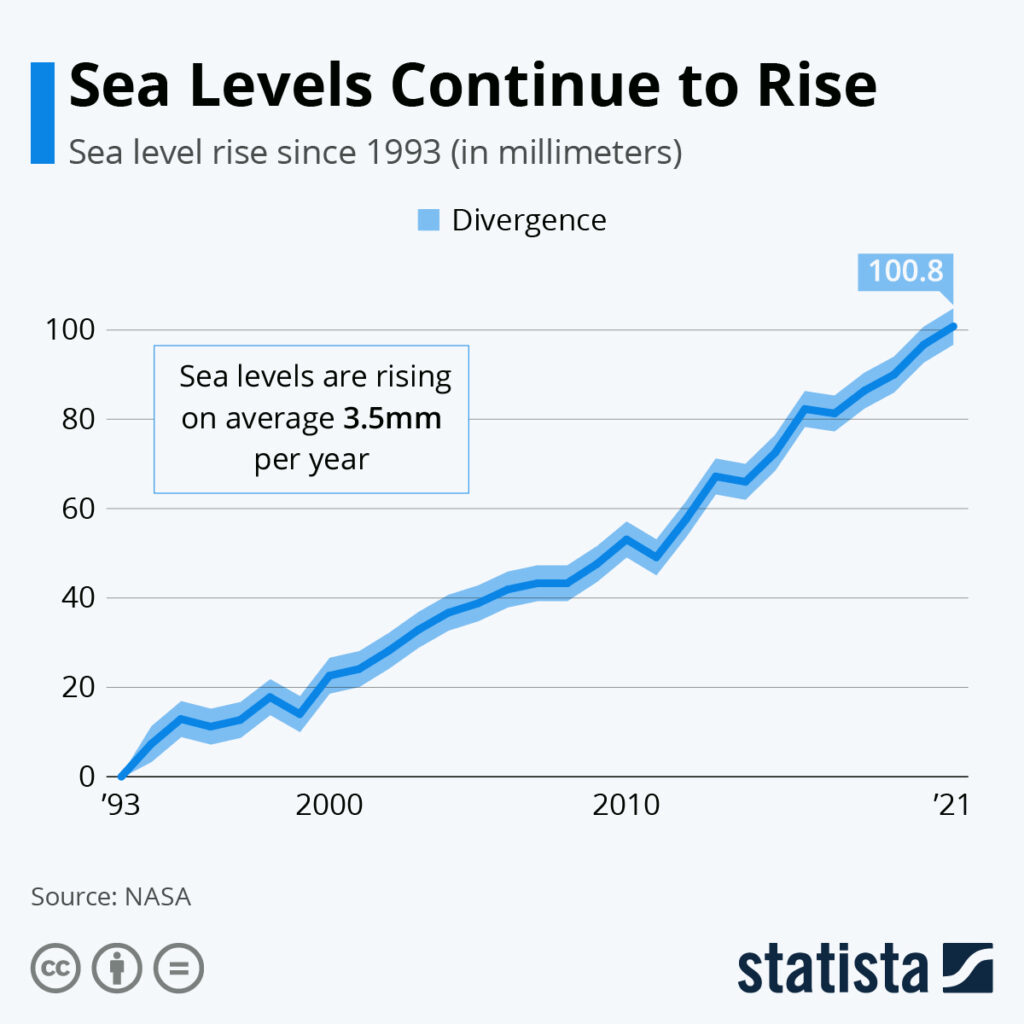
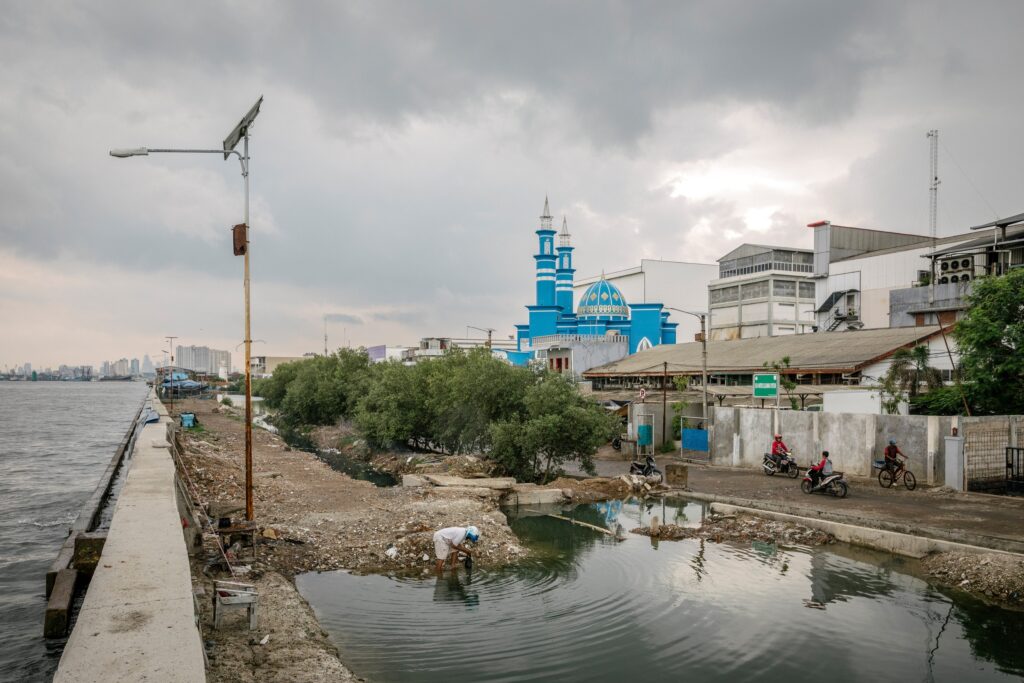
Next, we pivot to the broader implications of this thermal expansion. The repercussions of even fractions of a degree of heating are monumental. As ocean levels rise, so too does the risk of coastal inundation. Communities that have long thrived near shorelines find themselves increasingly vulnerable to the encroachment of seawater. This unease is more than a mere statistic; it is the disquieting reality for millions who call lush coastal landscapes home. As the dance of water and warmth continues, the steps of humans, flora, and fauna become increasingly precarious.
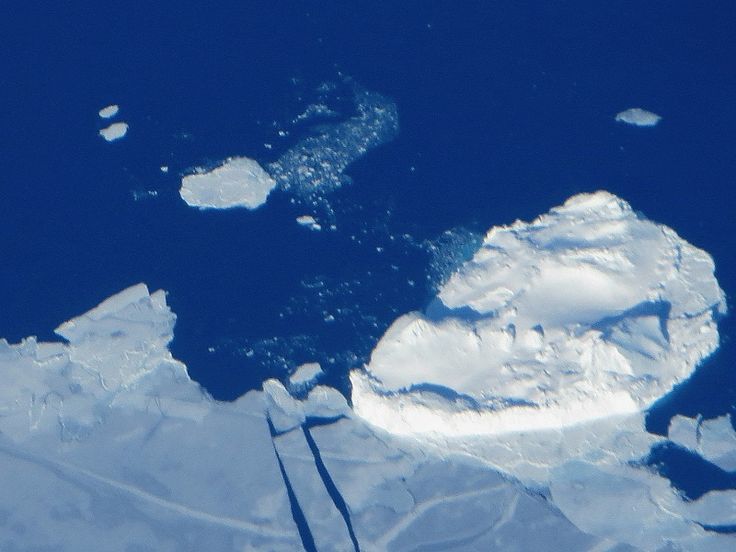
Consider the metaphor of the ocean as an orchestra. Each instrument plays its part in the symphonic narrative of Earth’s ecosystems. As one instrument, the temperatures of the oceans rise, the melodies of coastal habitats begin to shift and alter. One clear manifestation of this thematic discord is seen in the disintegration of ice sheets, particularly in regions like Greenland and Antarctica. Warmer ocean currents utilize thermal energy to erode ice from beneath, crafting structures that not only amplify sea levels through melt but also discharge massive quantities of freshwater into saline seas, altering marine ecosystems in unforeseen ways.
The allure of the ocean, with its mesmerizing hues and rich biodiversity, masks a more severe undercurrent—a phenomenon holeless in its gravity. Rising sea levels pose perils that extend beyond the physical realm. Discord wreaks havoc on emotional and mental landscapes as well. Coastal communities face not only displacement but also an identity crisis as the lands they have known for generations erode beneath rising tides. The physical reality of lost homes is compounded by the existential dread of losing cultural heritage, revealing yet another layer of the complex impact of climate change on our oceans.
Yet, against this backdrop of adversity, there lies a glimmer of hope—a call to action. Understanding the mechanics behind ocean heating and sea-level rise is crucial for addressing the climate crisis. Restoration and conservation efforts can provide a bulwark against encroaching tides. Mangroves, salt marshes, and coral reefs not only enhance biodiversity but also serve as buffers against the effects of rising seas. These natural barriers possess an intrinsic ability to mitigate coastal erosion, creating a direct apotheosis of nature’s resilience.
In our quest for sustainable solutions, the narrative must encompass collective responsibility. Policymakers, businesses, and individuals alike hold pieces of the puzzle. Investments in renewable energy, promotion of sustainable fishing practices, and increased awareness about ocean health can contribute to a more harmonious relationship with our seas. This collaborative effort is essential in counteracting the silent, insidious rise of ocean levels—a clarion call for all of humanity to safeguard the vitality of our planet.
Finally, as we reflect upon the intricate ballet of ocean heating and rising sea levels, we are left with an indelible truth: oceans are not mere vessels of water but are paramount to our survival. They tell a story of interconnectedness, of fragility and strength. This narrative demands our urgent attention, calling on us to intervene before the tide sweeps away the delicate equilibrium we rely upon. In recognizing our role as stewards of the ocean, we may yet foster a future where our coasts remain steadfast in the face of a warming world, preserving a boundless legacy for generations to come.






Leave a Comment