Climate change has emerged as one of the most pressing dilemmas of our era, a phenomenon that extends beyond scientific abstraction and deeply into the fabric of human existence. One question lurks at the forefront of this discourse: How much of climate change is attributable to human activities? This inquiry unravels an intricate tapestry of scientific investigation, societal responsibility, and ethical considerations. The consensus among the scientific community posits that a staggering percentage of climate change is indeed driven by anthropogenic factors. But what exactly does this mean? Let us embark on an exploration to dissect the statistics, concepts, and implications surrounding this pivotal issue.
Various studies and extensive research indicate that humans are responsible for approximately 97% to 99.9999% of the climate change we are currently experiencing. This statistic is not merely a number; it encapsulates the overwhelming evidence that our industrial activities, land-use changes, and fossil fuel consumption have unleashed an unprecedented increase in greenhouse gases (GHGs) into the atmosphere. This relentless augmentation of carbon dioxide, methane, and nitrous oxide concentrations acts as a formidable barrier, trapping heat and thereby spiraling global temperatures skyward.
To pragmatically understand the multifaceted nature of climate change, it is imperative to delineate the primary anthropogenic contributors. Key among these are:
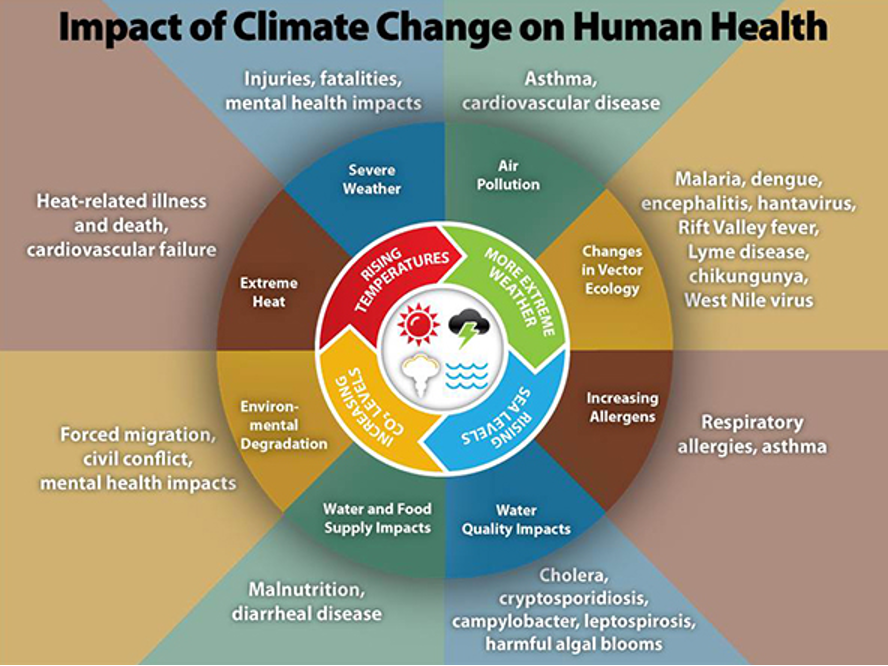
- Fossil Fuel Combustion: The combustion of coal, oil, and natural gas for energy and transportation is the most significant source of carbon emissions. This practice releases vast quantities of carbon dioxide, a leading greenhouse gas. It is also responsible for detrimental air pollution that exacerbates public health crises.
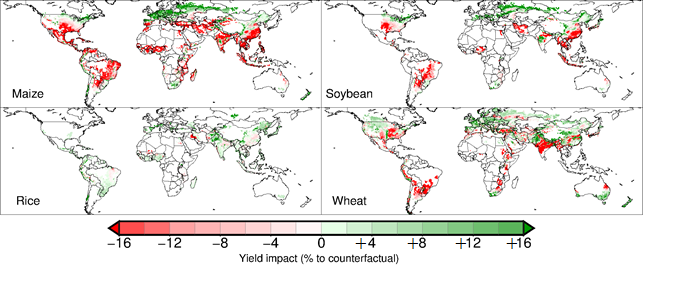
- Agricultural Practices: Agriculture contributes immensely to climate change through the release of methane and nitrous oxide from livestock and fertilizer use, respectively. The mechanized farming methods and deforestation for agricultural expansion further exacerbate the carbon footprint of food production.
- Deforestation: The clearing of forests for urban development or agriculture not only eliminates carbon sinks, which normally absorb significant amounts of CO2, but also releases stored carbon back into the atmosphere. Thus, deforestation is both a direct and indirect contributor to climate change.
- Industrial Processes: From cement manufacturing to refrigeration, various industrial processes release a plethora of GHGs into the atmosphere. Many of these processes are essential for modern conveniences but come at a steep environmental cost.
But why does the percentage matter? Understanding the attribution of climate change to human activity is crucial for several reasons. Firstly, it engenders accountability. Knowledge of our extensive impact fosters a sense of obligation among individuals, corporations, and governments. If the majority of climate change emanates from human actions, then the feasibility of mitigation strategies becomes a shared responsibility.
Secondly, it emphasizes urgency. Recognizing that the vast majority of climatic disruptions are anthropogenic spurs immediate action toward reformative measures. Policy interventions become a focal point, as governments are implored to set ambitious goals in reducing emissions. The Paris Agreement is a prime example, wherein nations have pledged to limit global warming to well below 2 degrees Celsius, ideally aiming for a cap of 1.5 degrees. These targets underscore the collective effort required to reverse the trajectory of climate change.
Moreover, the intricacies of climate models rely heavily on understanding human versus natural contributions. Natural phenomena, such as volcanic eruptions and solar variations, do play a role; however, they do not account for the rapid changes observed in recent decades. Quantifying the human impact enables scientists to emphasize the need for comprehensive models that predict future scenarios accurately and assess the effectiveness of ongoing mitigation efforts.
The conversation surrounding the percentage also fosters discourse in education and advocacy. Communities worldwide are implored to rise and comprehend that climate change is not merely an environmental issue but a comprehensive societal challenge. This recognition can drive grassroots movements aimed at fostering sustainable practices, encouraging carbon neutrality, and advocating for policy changes.
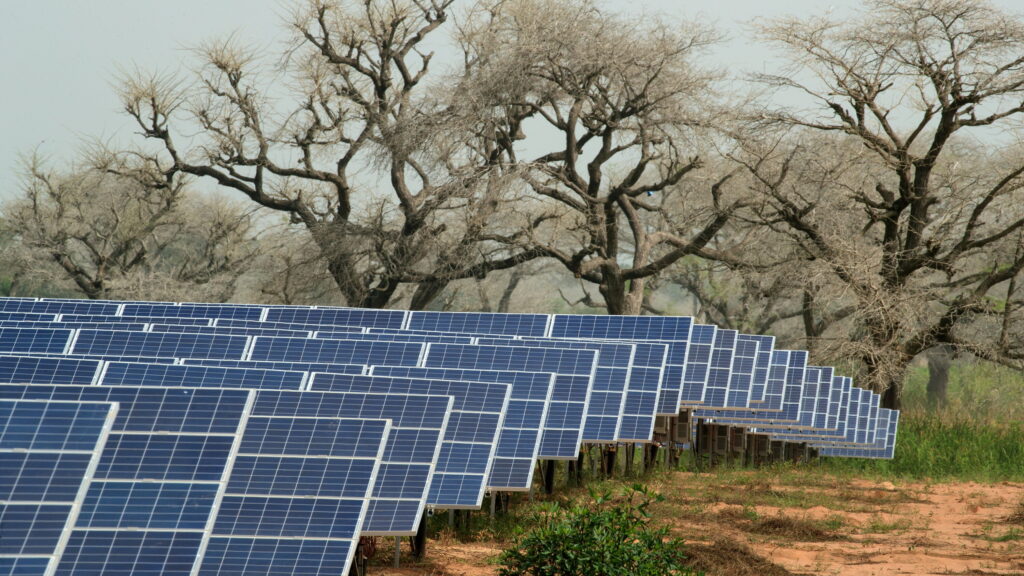
As we delve deeper into the implications of our impact on the climate, it becomes essential to contemplate actionable pathways. Transitioning towards renewable energy sources, implementing carbon capture technologies, and adopting sustainable agricultural methods represent potential avenues to mitigate our impact on the atmosphere. Furthermore, the shift to a circular economy, where waste is minimized, and resource efficiency is optimized, reflects an innovative approach toward reducing the anthropogenic footprint.
However, the question remains: Are we equipped to alter our course? The challenge requires a multifaceted approach, leveraging technology, public policy, and community engagement. Educational institutions play a pivotal role in inculcating a sense of responsibility, nurturing future generations who can adeptly navigate and address these challenges.
In conclusion, the evidence overwhelmingly supports the premise that human activities are significantly responsible for climate change, with estimates converging on a remarkable percentage that invites urgent and collective action. Understanding this percentage fosters greater awareness, responsibility, and opportunity for change. As we stand at this critical juncture, it is essential to harness our collective vigor, implement sustainable innovations, and advocate for policies that protect our planet for generations to come. The path forward, albeit challenging, is not insurmountable, especially when empowered by clarity regarding the anthropogenic roots of climate change.






Leave a Comment