
Since the dawn of the industrial age, our planet has undergone dramatic transformations, akin to the gradual yet persistent rise of a tide that envelops the shore. Since 1880, the Earth’s seas have been inching upward, an unprecedented phenomenon driven primarily by climate change and the melting of polar ice. This article endeavors to embark on a detailed exploration of the historical trajectory of sea levels, casting light on the scientific backdrop while contemplating the broader ecological implications.
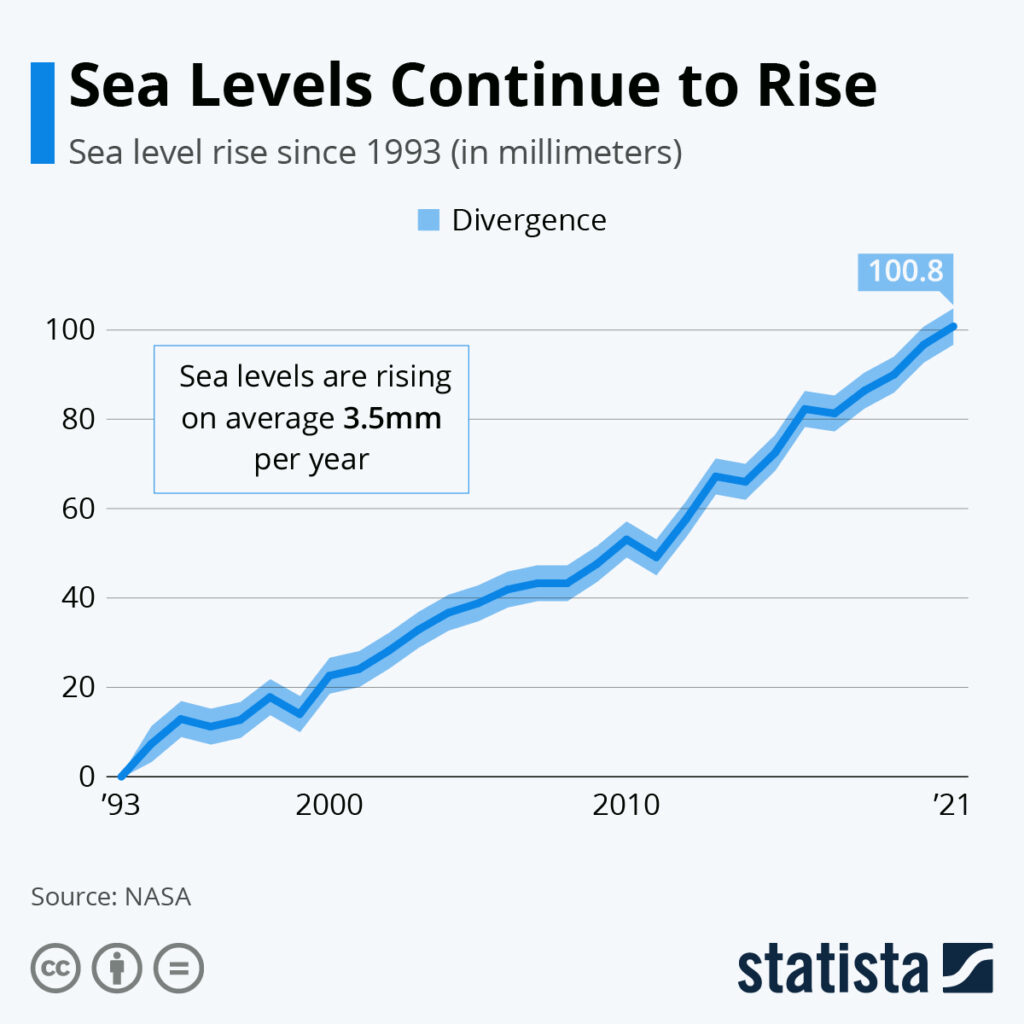
The narrative begins in the late 19th century, an era of burgeoning industrial ambitions. As factories belched smoke into the sky and steam engines roared to life, humanity began to assert a tangible influence over the planet’s climate. The Intergovernmental Panel on Climate Change (IPCC) has established that global sea levels have risen by approximately 8 to 9 inches (about 20 to 23 centimeters) since 1880. While seemingly modest, this rise is emblematic of a larger, more urgent crisis brewing beneath the surface of the tranquil oceans.
Victorian scientists, armed with rudimentary tools of observation, began to document shifts in sea levels in the late 1800s. This period marked the advent of systematic measurement—scientists such as John Perry and his contemporaries set the foundations for tidal gauge networks. Yet these early estimations were fraught with uncertainties. Each inch of water incrementally tells a story, a narrative interwoven with climate patterns, glacial retreats, and anthropogenic contributions.
The 20th century ushered in a new era of scientific inquiry, characterized by increased industrial activity and a burgeoning population. The interwar years saw a flurry of advancements in the study of glaciology and oceanography. With the advent of remote sensing technologies in the latter half of the century, researchers were armed with new tools to observe these changes from above. Satellite altimetry, in particular, revolutionized our understanding of sea level dynamics, unveiling a stark reality: the rate of sea level rise was accelerating.
The post-World War II era was marked by rapid urbanization and coastal development, forever changing the way societies interacted with their environments. This expansion, while a sign of progress, began to reveal vulnerabilities in the coastal ecosystems. As anthropogenic activities intensified, the ecological balance shifted. Glaciers in Greenland began to shed their ice, contributing disproportionately to the rising waters. The Antarctic, too, became a focal point for concern as scientists observed the calving of massive icebergs into the oceanic abyss.
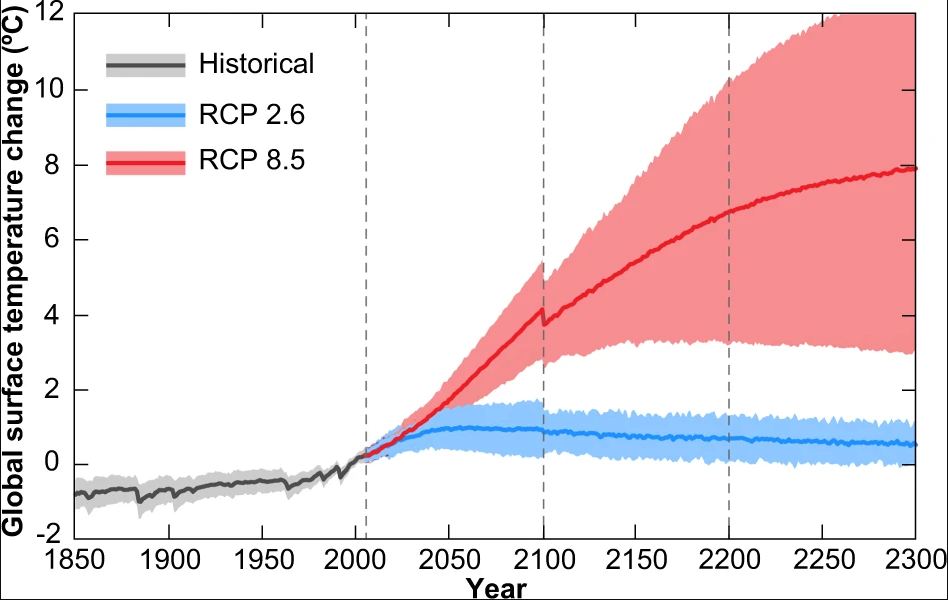
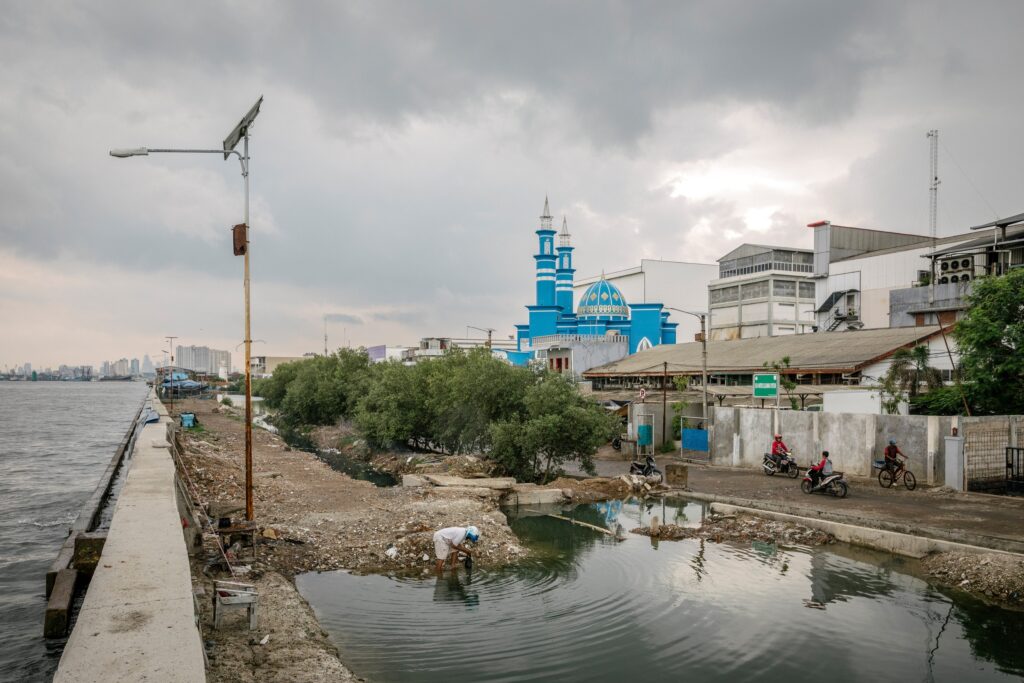
By the time the 21st century unfurled its banner, the once-silent rise of the sea had burgeoned into a formidable force. Current projections estimate that if global temperatures continue to rise at the present trajectory, sea levels could increase by up to 3 feet (about 1 meter) by the year 2100. The evocative imagery of drowning coastlines and inundated cities is not merely hyperbole; it is a clarion call that demands our attention. Cities such as Miami, New Orleans, and Jakarta are on the precipice of facing existential crises.
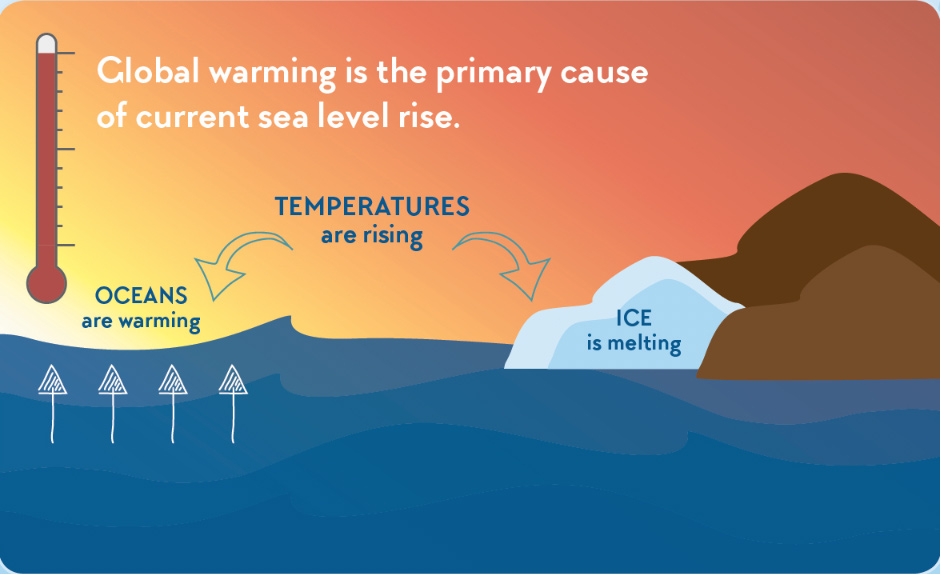
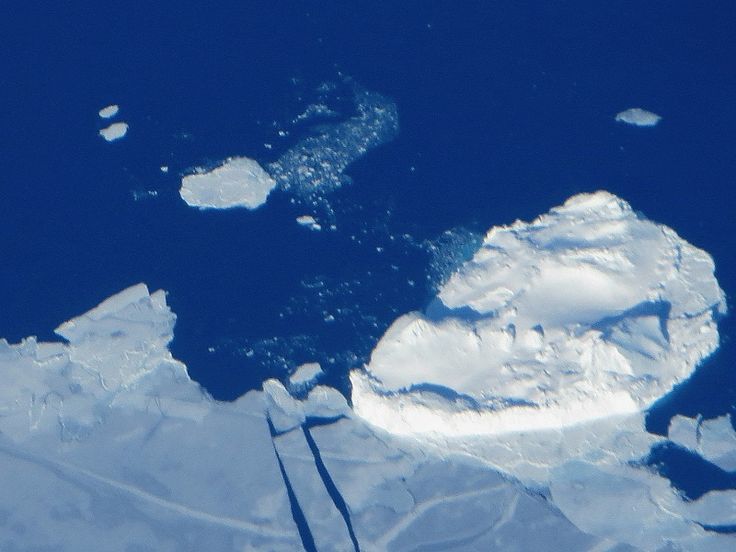
The phenomenon of sea level rise is multifaceted, driven by thermosteric effects—the warming of ocean water—alongside the thermal expansion of seawater. As the planet heats, water molecules expand, necessitating more space. Furthermore, climate-induced glacial melt presents a cascading fallout that imperils ecosystems while endangering human lives. The polar ice caps, once stalwart sentinels of our planet’s stability, now resemble precarious chalk towers, threatened by the relentless forces of heating.
This unfolding drama of climatic upheaval is not relegated to distant realms; it infiltrates the daily lives of millions. Coastal communities grapple with heightened storm surges and flooding. The King Tides phenomenon has intensified in cities worldwide, transforming the shores into treacherous thresholds where land and ocean merge perilously. Coastal erosion, exacerbated by rising sea levels, has become a grim reality, forcing policymakers to confront the future of urban planning and sustainability.
The narrative of sea level rise is not merely about elevation; it encompasses the fate of entire ecosystems. Mangroves and wetlands, often underrated, serve as natural barriers against storm surges. Their degradation, spurred by human activity and climate fluctuations, accelerates the beach’s retreat, threatening biodiversity. The symbiotic relationships that flourish within these habitats offer a glimpse into an intricate web of life, one that hangs perilously in the balance.
As we draw toward the conclusion of this historical breakdown, the story of rising seas is ultimately a reflection of our own choices and behaviors. Each inch that the sea rises serves as a monument to our collective actions, a reminder that we are stewards of this Earth. The time-honored tradition of measuring the tides has evolved into an urgent call for action. Mitigation and adaptation strategies must be prioritized as we strive to safeguard both our coastal cities and the vibrant ecosystems that surround them.
The journey ahead is formidable but also rife with opportunities for innovation and resilience. As we confront the specter of climate change, we must harness our collective ingenuity to forge new pathways toward sustainability. The dialogue surrounding sea level rise necessitates a concerted effort across diverse disciplines—be it science, policy, or community activism. In addressing the question of how much the seas have risen since 1880, we unveil not just data, but also the essence of humanity’s ability to adapt, reform, and ultimately thrive in the face of climate adversity.





Leave a Comment