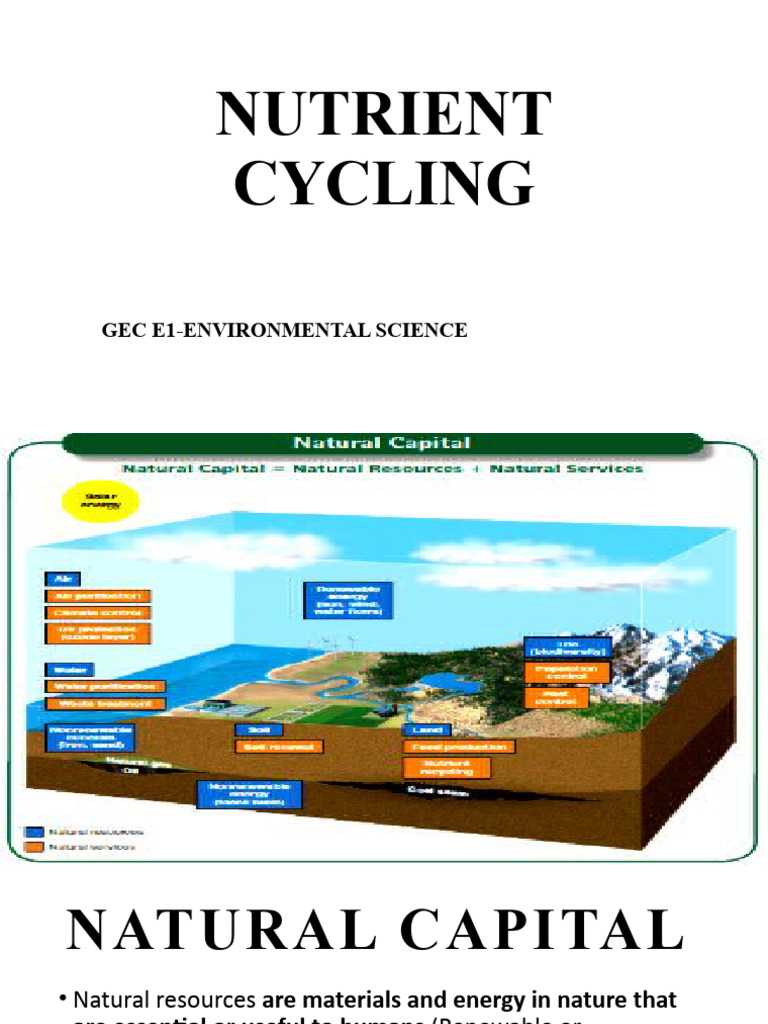
The intricate process of nutrient cycling is fundamental to maintaining the ecological balance and sustaining life on Earth. Nutrient cycling involves the movement and exchange of organic and inorganic matter back into the production of living matter. However, human activities have considerably disrupted this delicate system, leading to devastating environmental consequences. This discourse delves into the multifaceted ways in which human initiatives—ranging from agricultural practices to urban development—interfere with nutrient cycling, ultimately jeopardizing ecosystem health.
At the heart of nutrient cycling lies the interplay between producers, consumers, and decomposers. Photosynthetic organisms, such as plants and phytoplankton, absorb nutrients from the soil and water, converting them into organic compounds essential for growth and sustenance. Human encroachment into natural habitats, chiefly through agriculture and urbanization, has led to a marked decline in plant diversity. The reduction in flora not only disrupts the photosynthetic process but also diminishes the nutrient reservoir in ecosystems, leading to nutrient depletion and soil degradation.
One of the most prominent human activities contributing to nutrient cycling disruption is the use of chemical fertilizers. While fertilizers have revolutionized food production, their overuse has led to a plethora of environmental issues. Nitrogen and phosphorus runoff from agricultural fields can result in the eutrophication of waterways. This phenomenon occurs when excessive nutrients promote algal blooms, which can ultimately deplete oxygen levels in water, causing the death of aquatic organisms and harming aquatic biodiversity. Additionally, the chemical composition of these fertilizers often alters soil pH, further inhibiting nutrient availability for plants and creating a cycle of dependency on artificial inputs.
Pesticides, employed to mitigate agricultural pests, also play a critical role in disrupting nutrient cycling. These chemical agents not only target undesirable insects but also affect the myriad of beneficial organisms in the soil, such as earthworms and microbes, which are instrumental in nutrient decomposition and mineralization. The reduction of these essential soil inhabitants compromises the efficiency of nutrient cycling processes, leading to a decline in soil health and fertility over time. The effects of pesticides ripple through the food web, as the absence of healthy soil ecosystems impacts plant growth, which in turn affects herbivorous and carnivorous organisms alike.
Deforestation, another significant human activity, exacerbates the disruption of nutrient cycling. Forest ecosystems are rich in biodiversity and play a crucial role in nutrient retention and recycling. When trees are felled for agriculture, urban expansion, or logging, the soil loses a substantial amount of its organic matter. The removal of vegetation not only eliminates the primary producers crucial for nutrient uptake but also exposes the soil to erosion and nutrient leaching. With each rainfall, the soil’s nutrient content diminishes, leading to the degradation of the ecosystem and a subsequent drop in the productivity of the land.
Urbanization represents a multifaceted challenge to nutrient cycling. The transformation of landscapes into cities often entails the use of impervious surfaces, such as asphalt and concrete, which prevent water infiltration and result in altered hydrological cycles. This alteration can lead to increased surface runoff, which carries nutrients and pollutants into nearby waterways, further contributing to eutrophication. Moreover, the increased waste generated by urban populations can overwhelm local waste management systems, leading to the release of excess nutrients into the environment. The combination of urban waste and surface runoff further complicates nutrient dynamics, severely impacting aquatic systems and adjacent ecosystems.
Moreover, climate change, a product of various anthropogenic activities, has profound implications for nutrient cycling. Changes in temperature and precipitation patterns can alter soil moisture, which in turn affects microbial activity essential for nutrient breakdown and availability. As temperatures rise, soil microbial communities may shift, potentially leading to reduced nutrient cycling efficiency. A changing climate can also impact plant growth, thereby affecting the entire nutrient cycle. The cascading effects of climate change necessitate urgent attention and action to safeguard the integrity of nutrient cycling processes.
To counteract these disruptions, concerted efforts are required to promote sustainable agricultural practices. Transitioning towards organic farming, utilizing cover crops, and implementing crop rotation can enhance soil health and facilitate nutrient cycling. Advocating for permaculture and agroforestry systems, which encourage biodiversity, can help restore and conserve nutrient cycling processes. Additionally, restoring degraded lands and reforesting areas previously disturbed by human activity can reinstate the natural nutrient cycles of those ecosystems. These restorative measures can significantly enhance biodiversity, improve soil structure, and restore natural nutrient flows.
On an individual level, actions such as composting and reducing waste can contribute to healthier nutrient cycling at the community level. By returning organic waste to the soil, homeowners can improve soil quality and enhance its nutrient-holding capacity. Furthermore, educating the public about the intricacies of nutrient cycling and the impacts of human activities is pivotal in fostering a culture of environmental stewardship.
In conclusion, while human activities have severely disrupted nutrient cycling across the globe, it is not too late to redress these issues. By understanding the complex interactions within ecosystems, we can develop and implement measures that will restore the balance necessary for sustaining life on our planet. The path toward resilience requires a collective effort, encompassing policy reform, community engagement, and individual responsibility. Every action counts, and together, we can cultivate an environment that nurtures nutrient cycling, ensuring the sustainability of our natural world.









Leave a Comment