As the specter of global warming looms larger, it is no secret that its effects ripple through our planet like ominous waves disrupting a tranquil sea. The profound, far-reaching implications of climate change challenge the survival of wildlife and disrupt delicate ecosystems. In this narrative, we shall delve into how global warming casts a long shadow over the animal kingdom and their habitats, compelling us to reevaluate our relationship with nature.
First and foremost, the escalation of global temperatures has led to the degradation of vital habitats. Polar ice caps, once majestic realms of frozen grandeur, are melting at an alarming rate. This not only spells doom for iconic species such as polar bears and seals, whose very existence hinges on sea ice, but also exacerbates habitat loss in other regions. When ice disappears, the ecosystems that rely on it crumble, leading to a cascading series of detrimental effects. The repercussions are not confined to the Arctic; they ripple across the globe, affecting biodiversity far beyond the polar regions.
In tandem with rising temperatures, alterations in precipitation patterns wreak havoc on crucial ecosystems. Forests, grasslands, and wetlands – habitats integral to countless species – experience unprecedented droughts or inundation. Take, for instance, the savannahs that support a rich tapestry of life, from elephants to cheetahs. These regions face the dual threats of aridity and flooding, compelling wildlife to adapt rapidly to survive or perish. Behavioral changes emerge; animals are forced to migrate to find more hospitable locales, straining resources in areas already imbued with challenges.
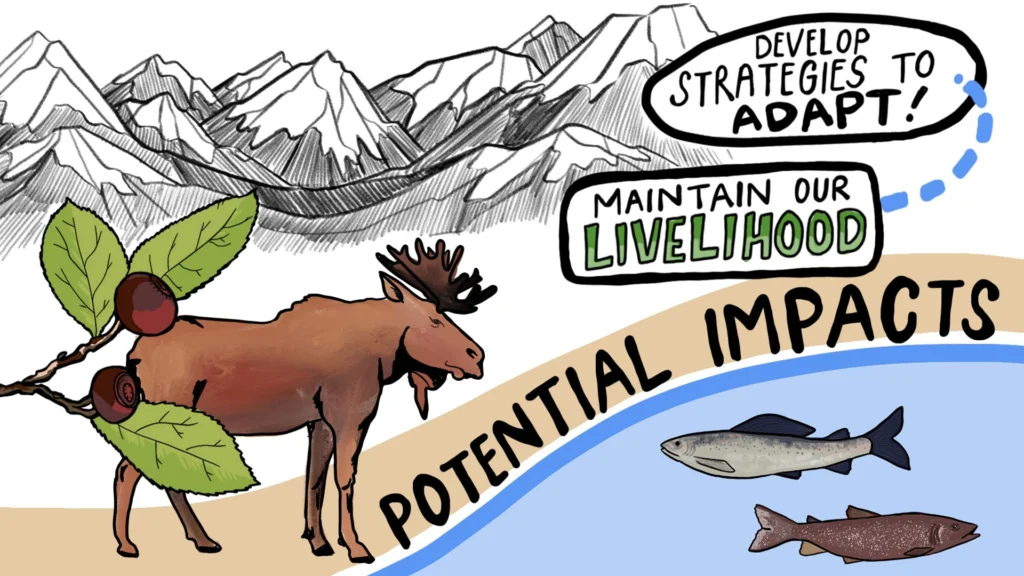
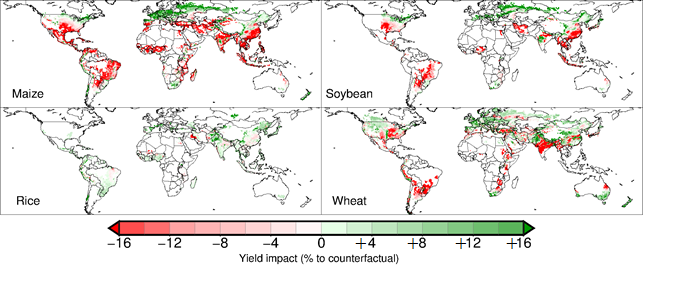
An often-overlooked aspect of climate change is the impact of shifting weather patterns on food availability. As temperatures rise, many plant species struggle to thrive, manifesting a decline in the food sources that sustain herbivores. This, in turn, disrupts the food chain, imperiling carnivores that rely on these herbivores for survival. The intricate web of life is fragile; one disruption can lead to a cascade of consequences that threaten entire populations. For instance, the decline of certain fish species due to warming oceans jeopardizes the birds, marine mammals, and even humans that depend on them for sustenance.
The encroachment of invasive species, propelled by climate change, further complicates the plight of native wildlife. As global temperatures rise, non-native species find new habitats to colonize, often outcompeting indigenous flora and fauna that have evolved over millennia. Consider the impact of the zebra mussel in North American waterways, which proliferates unchecked, disrupting aquatic ecosystems and displacing native species. This pernicious invasion poses a profound threat to biodiversity, as native creatures struggle to adapt to their new, often hostile, environments.
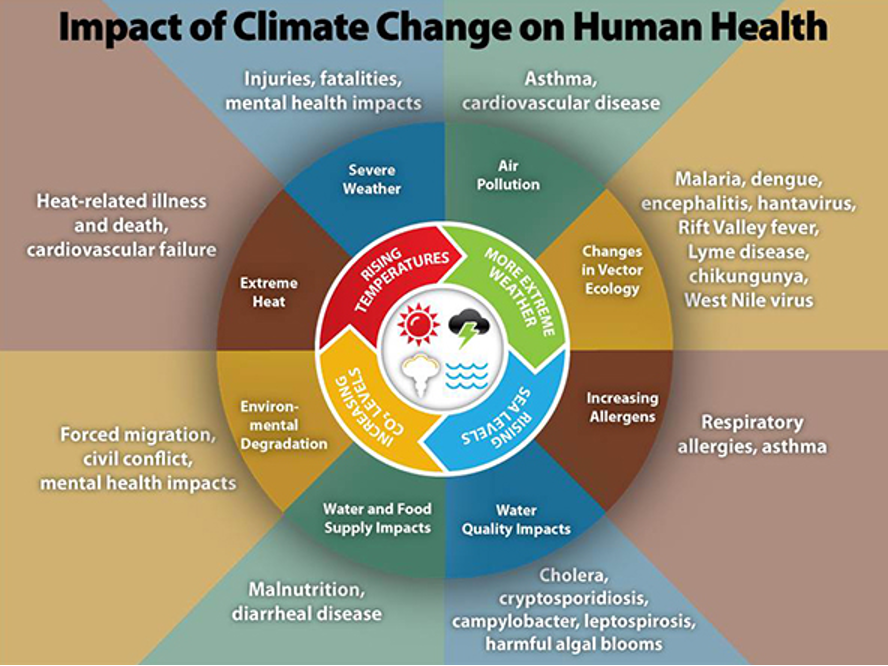
Climate change also encourages the proliferation of diseases, posing an insidious threat to wildlife. Warmer temperatures create ideal breeding grounds for pathogens and parasites, leading to outbreaks that can decimate animal populations. The spread of diseases such as chytridiomycosis among amphibians illustrates how vulnerable species can be; entire communities can be wiped out, leaving behind an ecological void that takes years to recover from. Thus, the ramifications extend beyond mere individual suffering; they threaten the balance of entire ecosystems, showcasing the interconnected nature of life on Earth.
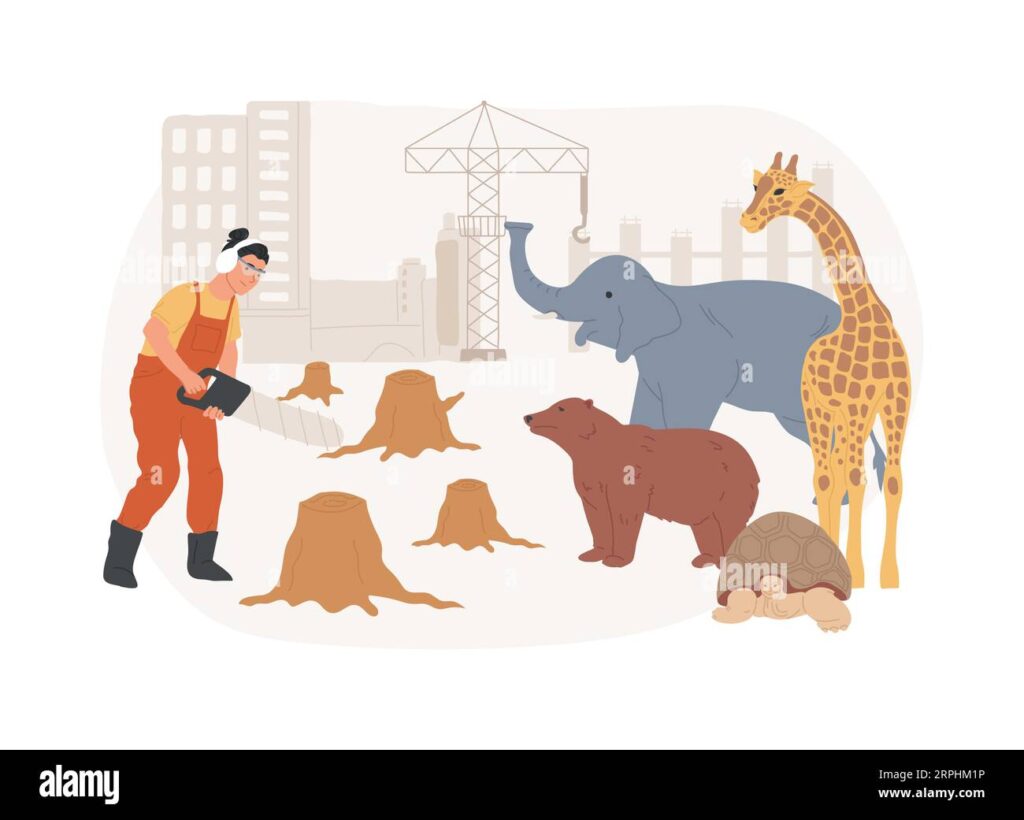
Moreover, anthropogenic factors exacerbating climate change, such as habitat destruction due to urbanization and industrialization, compound these challenges. As human development encroaches on natural landscapes, animals become dislocated from their habitats, diminishing their chances of survival. Fragmentation leads to isolation, hindering genetic diversity and making populations more susceptible to extinction. The poignant plight of the Florida panther serves as a cautionary tale, whereby a fragmented habitat resulted in a perilous population decline, threatening a species teetering on the brink of annihilation.
As we contemplate these stark realities, it becomes increasingly imperative to consider the ethical implications of our actions. The interplay of climate change and its consequences on wildlife prompts a profound inquiry into our stewardship of the Earth. Is it ethical to witness the erosion of biodiversity, to stand idly by while our fellow inhabitants succumb to the relentless march of environmental degradation? Perhaps, awakening to these urgent issues necessitates a paradigm shift that fosters a deeper respect and understanding for our planet and its inhabitants.
This call to action should not inspire despair but rather galvanize individuals to become mindful stewards of the environment. Engaging in sustainable practices, advocating for environmental policies, and raising awareness can instigate positive change. Each small action, when coupled with collective effort, holds the potential to reshape the destiny of countless wildlife species. Transitioning away from fossil fuels, supporting local conservation efforts, and fostering habitat restoration initiatives are just a few avenues through which humans can exercise their agency to mitigate the threats posed by climate change.
As we embark on this odyssey of reflection and action, let us remember that the plight of wildlife compels us to envision a future where harmony between humanity and nature is not just a dream but a tangible reality. The resilience of the natural world is astounding, yet it hinges on our commitment to preserving the intricate web of life that sustains us all. In recognizing our interconnectedness, we pave the way for a more harmonious existence, allowing both humanity and wildlife to flourish amidst the challenges that lie ahead.





Leave a Comment