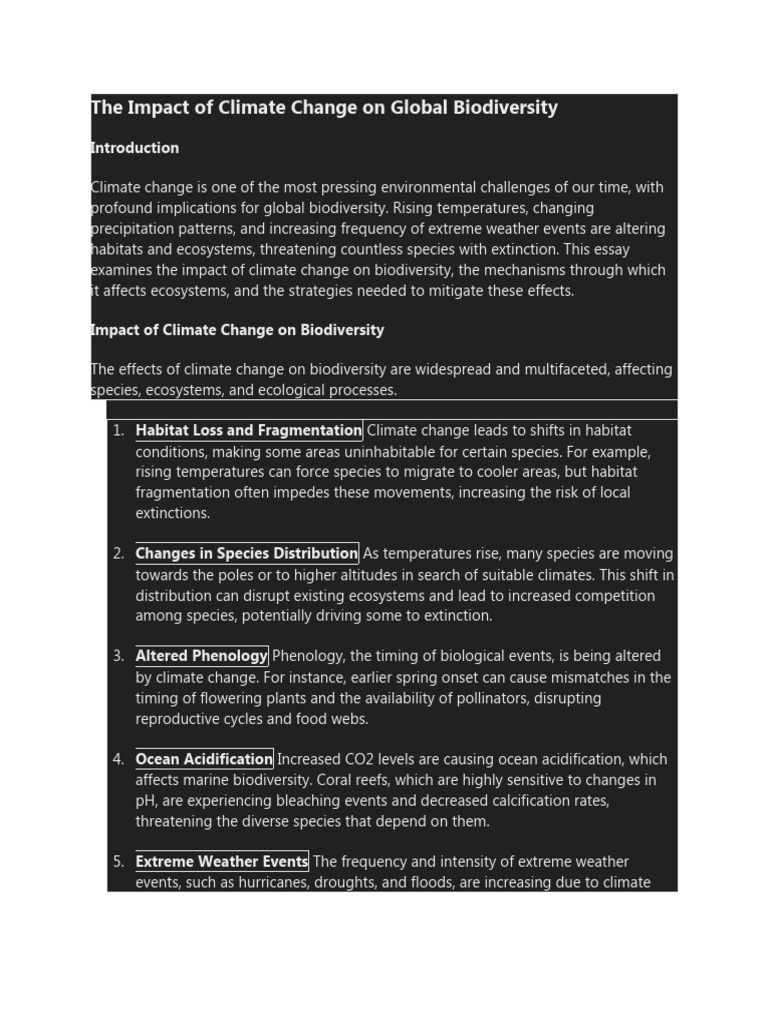
In the grand tapestry of life on Earth, biodiversity serves as the vibrant threads that weave together the fabric of our natural world. Unfortunately, this intricate creation faces unprecedented disruption as global climate change unfolds like a tempest, threatening to unravel what has been painstakingly woven over millennia. The phenomenon of climate change acts as a relentless force, reshaping landscapes, altering ecosystems, and displacing countless species. To understand these profound impacts on biodiversity, it is essential to delve into the multifaceted relationship between climate change and the myriad forms of life inhabiting our planet.
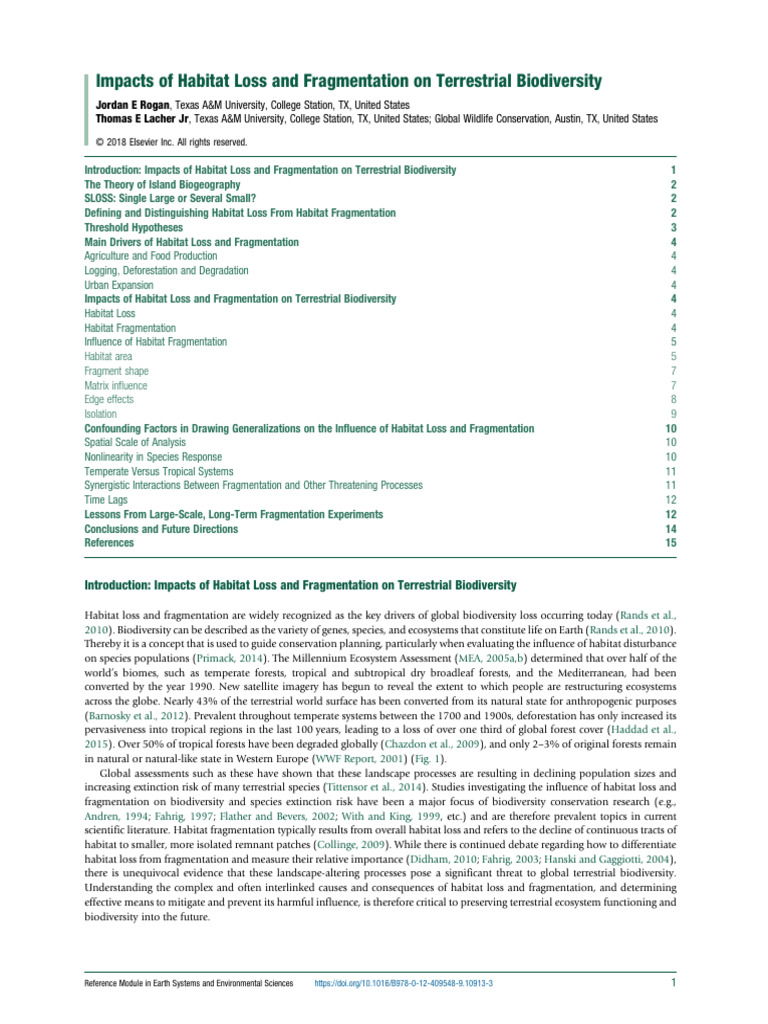
Begin with the concept of habitat fragmentation, akin to slicing a mosaic into disjointed pieces. As temperatures soar and precipitation patterns shift, once-viable ecosystems become isolated, leaving species stranded in a series of ecological islands. Forests are encroached upon, wetlands drained, and coral reefs bleached—each incidence disrupts not only physical spaces but also ecological interactions that have existed for eons. The connectivity that once facilitated species migration for food, breeding, and shelter is now severed, leading to a diminishment of genetic diversity and an increased risk of extinction. The idea that wildlife can adapt to rapidly changing conditions becomes a formidable myth in this fragmented existence.
The warming of the planet transforms climates that have remained static for countless years. Comparable to a master artist altering their signature style, species are forced to recalibrate their behaviors, breeding cycles, and migration patterns. Birds, for example, have begun to migrate earlier as springs arrive prematurely. Yet, this rescheduling often leads to mismatches in the timing of their lifecycle events—nesting may occur before food sources are plentiful, leading to decreased survival rates of fledglings. This phenomenon can reverberate through entire ecosystems, as predators and prey inadvertently disrupt one another’s timetables in the delicate dance of existence.
Moreover, the invisible hand of climate change wields its power over oceanic ecosystems. As atmospheric carbon dioxide levels climb, oceans absorb a significant portion, leading to ocean acidification. This change is as insidious as a creeping vine, entwining itself around the very foundation of marine life. Calcifying organisms, from corals to shellfish, face profound challenges in forming their skeletal structures, leading to the degradation of coral reefs—often referred to as the ‘rainforests of the sea.’ These vibrant ecosystems support myriad fish species and provide critical resources for countless human communities. The disintegration of reefs signifies not just a loss of beauty, but a catastrophic decline in marine biodiversity, with implications that ripple through food webs and economies alike.
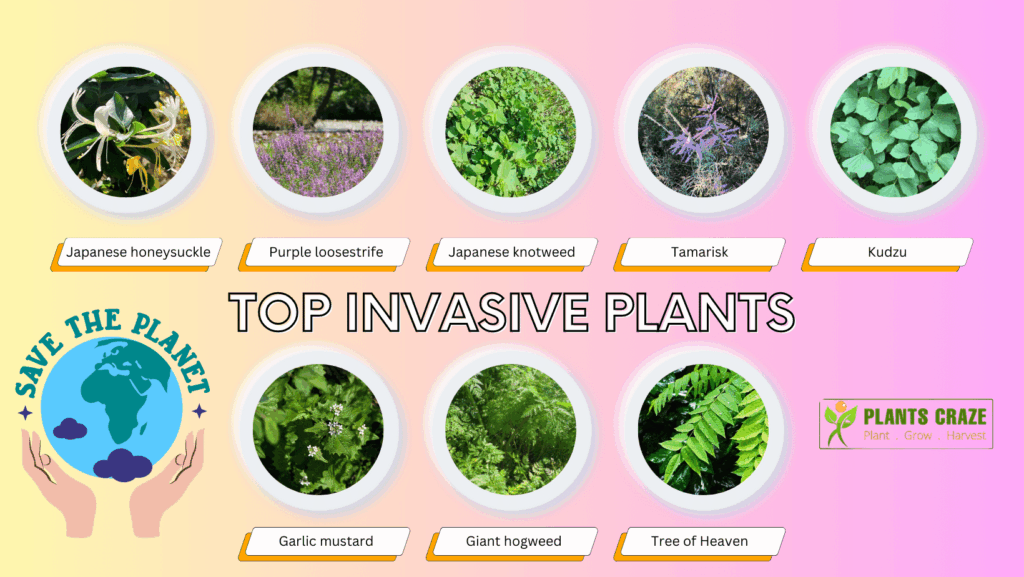
Thermal extremes also spawn new opportunities for invasive species to flourish, akin to a freight train barreling through a fragile ecosystem. With warmer temperatures and altered habitats, species that once struggled to invade new territories now thrive, outcompeting native flora and fauna. In the fragile ecosystems of islands, for example, invasive species can rapidly obliterate native populations that are ill-equipped to defend against these foreign competitors. These shifts not only threaten ecological balance but also disrupt cultural practices, traditions, and knowledge systems of indigenous communities that have coexisted with these ecosystems for generations.
Climate change further exacerbates existing stressors, such as pollution and overexploitation of resources. A rise in temperatures can lead to algal blooms that suffocate marine life, while unstable weather patterns lead to increased flooding or drought—conditions that can redirect the delicate balance of predator-prey dynamics on land and in water. Each of these events acts like a bead of rain on an already swollen river, pushing it toward the brink of overflowing into chaos. As species struggle under these compounded pressures, their resilience wanes.
The interplay between climate change and biodiversity does not merely warrant attention; it demands urgent action. Conservation strategies must evolve to embrace adaptive management. Establishing protected areas, restoring habitats, and employing biodiversity-friendly agricultural practices are pivotal. Yet, as essential as these measures are, they often fall short without a collective global commitment to mitigating climate change itself. Climate solutions must prioritize reducing greenhouse gas emissions while investing in renewable energy sources, reforestation, and sustainable practices. This multifaceted approach can create a glimmer of hope against the backdrop of climate chaos.
In essence, the fate of our planet’s biodiversity is intimately tied to our responsiveness to climate change. We possess the capacity to weave new narratives of resilience and sustainability, enabling the natural world to thrive even amidst adversity. The path forward is laden with challenges, yet, within those challenges lies the opportunity for regeneration. As stewards of the Earth, the onus is upon us to not only acknowledge the crisis at hand but to actively participate in restoring the delicate balance of our ecosystems. Our survival is interconnected, and the symphony of life is worth preserving—let us not allow it to fall silent under the weight of climate-induced pressures.








Leave a Comment