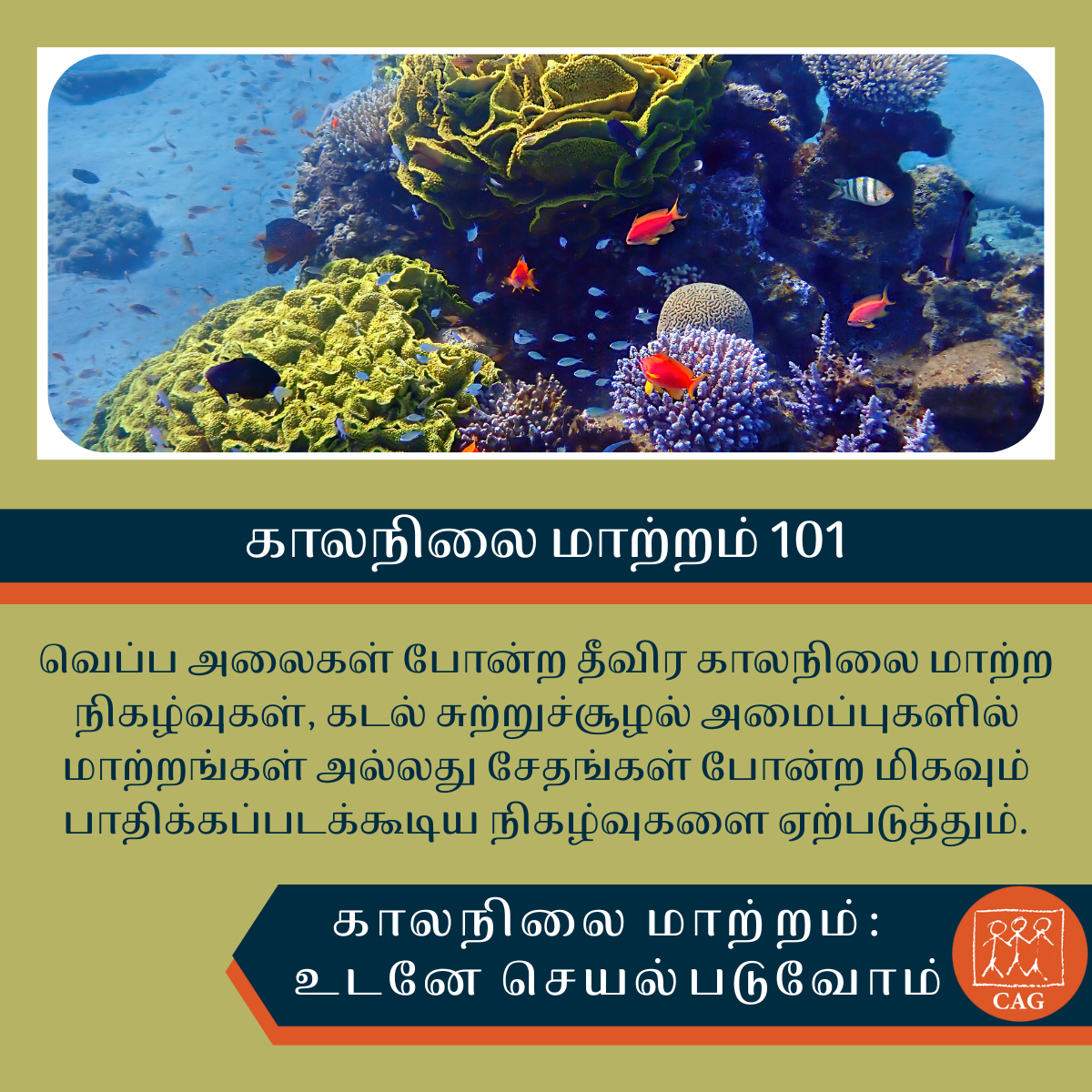
As the world continues to grapple with the pervasive effects of climate change, one of the most profound impacts can be observed in our oceans. The intricate web of marine ecosystems is not merely an assemblage of life forms; it is a delicately balanced system that supports biodiversity, influences global weather patterns, and provides sustenance to billions of people. Yet, climate change is insinuating itself into this equilibrium, heralding a transformation that is both alarming and undeniable.
The first striking observation lies in the rising temperatures of ocean waters. As terrestrial temperatures climb due to anthropogenic greenhouse gas emissions, oceans—acting as thermal reservoirs—are absorbing much of this heat. This phenomenon produces a myriad of consequences. Coral reefs, often deemed the rainforests of the sea, are especially vulnerable. They thrive within a narrow temperature range, typically between 20°C and 30°C. Exceeding this threshold leads to coral bleaching, a stress response that occurs when corals expel the symbiotic algae (zooxanthellae) living within their tissues. This not only diminishes the corals’ color but also depletes their energy sources, leaving them susceptible to disease and mortality.
The plight of coral reefs is emblematic of broader disruptions in marine ecosystems. As temperatures rise, marine species must either adapt, migrate, or face extinction. Fish populations, especially commercially important species, are altering their migratory patterns. They are moving towards cooler waters, often into deeper regions or more polar locales. Such shifts in distribution can disrupt established fishing patterns and jeopardize the livelihoods of communities reliant on these resources. More alarmingly, many species may not have the capability to adapt quickly enough to the rate of change. The resulting loss of biodiversity is a harbinger of ecological collapse.
In tandem with rising temperatures, ocean acidification presents a silent yet potent danger. As atmospheric CO2 concentrations escalate, oceans absorb a significant portion, resulting in chemical reactions that decrease water pH. This process unfavorably affects calcifying organisms, such as shellfish, mollusks, and certain species of plankton, which are fundamental to the marine food web. The diminishing ability of these organisms to form shells and skeletons jeopardizes not only their survival but the myriad species that rely on them for sustenance. The cascading effects of this disruption echo throughout the marine ecosystem, raising profound questions about food security and ecological stability.
Simultaneously, the dynamics of marine ecosystems are further complicated by the increasing prevalence of hypoxia—regions of severely depleted oxygen levels. Nutrient run-off from agriculture and urban areas coursing into waterways fuels algal blooms. These blooms can multiply rapidly in warmer waters, leading to dead zones where oxygen is scant, manifesting environments inhospitable to most marine life. Species that cannot migrate or thrive in low-oxygen conditions face dire consequences, pushing them towards the brink of extinction. The consequences of hypoxia extend beyond the immediate death of marine creatures; they disrupt predator-prey relationships and food availability.
The idea of plastic pollution, while often perceived as a discrete issue, seamlessly intertwines with the overarching challenge of climate change. As ocean temperatures rise, the breakdown of plastics accelerates, leading to microplastics that infiltrate even the most isolated oceanic trenches. Marine organisms, from the smallest plankton to the largest whales, ingest these microplastics, incorporating toxic pollutants into the food chain. The repercussions are dire, not only vitiating marine health but also posing risks to human health through consumption of contaminated seafood.
Yet, it is essential to recognize that change within marine ecosystems transcends mere statistics. The richness of life forms in the ocean is a testament to the resilience of nature. Dolphins, sharks, sea turtles, and myriad species exist not just as individuals but as parts of a larger narrative—the story of existence, evolution, and interconnection. The disruption caused by climate change poses existential questions: Can this intricate web withstand the shocks of anthropogenic interference? Will future generations inherit a world devoid of its vibrant marine tapestry?
Moreover, the cultural and emotional ties we hold with marine ecosystems amplify the stakes. Coastal communities have thrived alongside the oceans for millennia, their lives steeped in traditions, folklore, and practices intertwined with the rhythms of the sea. The integrity of these ecosystems is not merely about ecological metrics; it is woven into the very fabric of human identity. The loss of biodiversity equates to a loss of heritage and ancestral knowledge, an erasure of stories that inform our existence.
In confronting this existential crisis, the urgency to foster collective action is paramount. Governments, corporations, and individuals must coalesce to mitigate the effects of climate change—embarking upon pathways toward sustainability and regeneration. This encompasses enforcing stricter regulations on greenhouse gas emissions, protecting marine habitats, and championing restoration efforts for damaged ecosystems. Education plays a pivotal role, empowering individuals with knowledge about the intricacies of marine life and fostering a sense of stewardship over our oceans.
In conclusion, the impact of climate change on marine ecosystems is a call to reflection and action. The complexities intertwined within these ecosystems invite us into an unceasing dance of discovery and responsibility. By safeguarding our oceans, we are not merely protecting marine species; we are preserving the essential threads of our earth’s tapestry, which sustains life in its myriad forms. The ocean’s future hangs in the balance, urging us to listen and respond with urgency and care.






Leave a Comment