In the intricate tapestry of global economies, the food system stands as a vital thread, interwoven with the livelihoods of billions. Yet, this delicate balance is under siege. The specter of climate change looms large, presenting unprecedented challenges that threaten not only food production but also the systems that govern distribution, accessibility, and sustainability. The ramifications permeate through farmers’ fields, consumers’ kitchens, and governments’ policies. Understanding how climate change disrupts the global food system is essential for comprehending the larger narrative of our shared future.
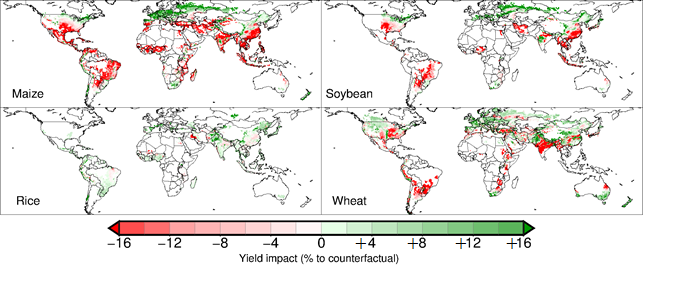
The fundamental truth is that climate change catalyzes extreme weather events, disrupts growing seasons, and exacerbates pest infestations. With rising temperatures, crop yields are diminishing in some of the world’s most vulnerable regions. For instance, drought-stricken areas, already grappling with limited water resources, face further desiccation that stifles the growth of staple crops like wheat and maize. It is an ominous paradox: while certain regions may experience prolonged growing seasons, others slip into agricultural oblivion.
As the planet heats, the phenomenon of altered precipitation patterns emerges as a decisive factor. Regions that once enjoyed reliable rainfall now endure unpredictable deluges or debilitating dry spells. This variability poses a threat to both crop growth and soil health. Soil erosion becomes rampant, stripping essential nutrients away and leaving behind barren land. Farmers, particularly in developing nations, find themselves caught in a vicious cycle of declining productivity and increasing poverty.
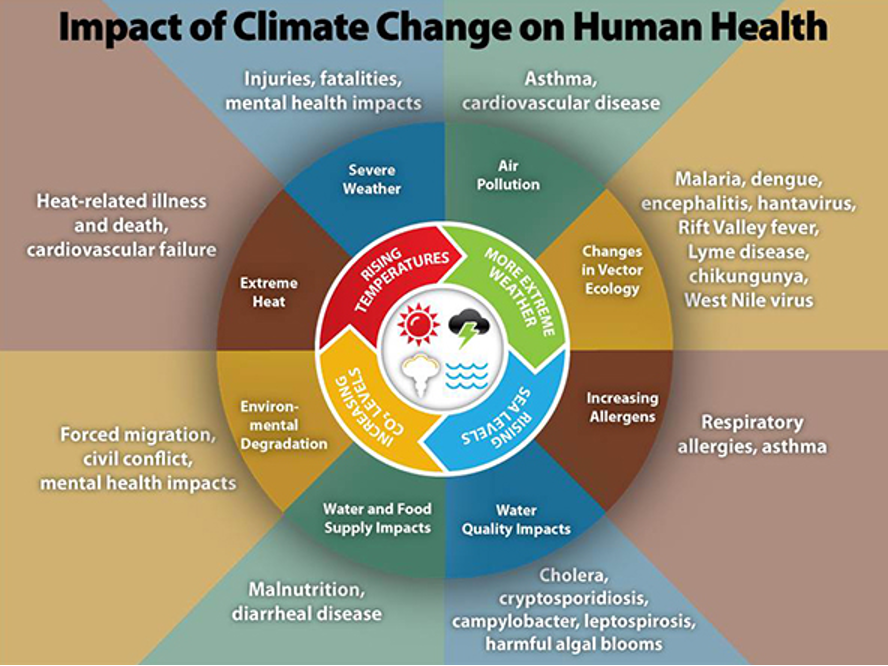
In addition to crop failures, climate change affects the very fabric of the ecosystems that sustain agriculture. Pests and diseases thrive in warmer climates, multiplying and spreading more efficiently than ever before. For example, the proliferation of locusts—heightened by erratic weather conditions—has wreaked havoc in several regions, decimating harvests and exacerbating food insecurity. Innovative pest management strategies, once effective, now seem inadequate against this onslaught of climate-induced challenges.
The global food system, however, is not merely a straightforward chain from farm to table. It is a complex network interlinked with economies, cultures, and traditions. Disruptions in one region can send shockwaves across the entire globe. Price volatility emerges as a salient consequence of climate-induced food shortages. When yields drop dramatically in major agricultural regions, the cost of food inevitably rises. This inflation can displace entire communities, driving families toward desperation and increasing the number of people suffering from hunger and malnutrition.
The paradox of plenty, where abundance coexists with scarcity, becomes ever more pronounced. In developed nations, food waste continues to be a staggering issue, with approximately one-third of all food produced—equivalent to 1.3 billion tons—lost or wasted annually. As climate change threatens the very foundation of food security, this waste becomes even more egregious. It underscores the need for a holistic approach to food management that encompasses ethical consumption, efficient logistics, and community engagement.
As nations grapple with these intricate challenges, policy responses must be as multifaceted as the issues themselves. Agricultural practices are under scrutiny, with calls for a transition toward more sustainable methods. Agroecology, which emphasizes biodiversity and the preservation of natural ecosystems, offers promising pathways to resilience. By emphasizing soil health, water conservation, and crop diversity, agroecological practices can buffer against the shocks of climate change.
However, transitioning to sustainable agriculture requires more than just innovative practices; it demands systemic change. National policies must prioritize support for smallholder farmers, who constitute a significant proportion of the world’s food producers. Providing them with access to markets, financing, and education can empower these essential players to adapt to a changing climate and mitigate its impacts.
The intersection of climate change and food security does not exist within a vacuum. Global health crises and socio-political instability often exacerbate these challenges. For instance, in regions already burdened with conflict, climate change can act as a threat multiplier, intensifying competition for dwindling resources and exacerbating tensions. As the social fabric frays, the likelihood of achieving sustainable food systems diminishes.
On the international front, the global community must work collaboratively to combat the threats posed by climate change. Initiatives such as the Paris Agreement underscore the importance of shared responsibility and collective action. Wealthier nations, which have historically contributed the most to greenhouse gas emissions, bear a moral obligation to assist vulnerable populations in adapting to changing climatic conditions. This collaboration must extend beyond mere financial support; it should encompass knowledge-sharing, technology transfer, and investment in adaptive practices.
Amid the gloom, hope persists. Technological innovations illuminate potential avenues for resilience in our food systems. Precision agriculture, utilizing data analytics and automated systems, may optimize production while minimizing waste and resource usage. Vertical farming and aquaponics present revolutionary alternatives to traditional farming, promising to enhance food security in urbanized areas while reducing land and water consumption.
As individuals, our role cannot be understated. Advocating for sustainable consumption practices, supporting local farmers, and raising awareness about the impacts of climate change on food insecurity are instrumental steps we can take. Each choice, whether it is selecting seasonal produce or reducing food waste, reverberates through the food system, augmenting the collective impact.
To navigate the complexities of climate change and its effects on the global food system will necessitate vigilance and tenacity. The journey toward a more resilient and equitable food future is fraught with obstacles, yet the potential for transformative change exists. Through informed action and collaborative efforts, it is conceivable that we can restore balance to this intricate system, ensuring that all people have access to the nourishment they need to thrive.






Leave a Comment