In recent years, the discourse surrounding climate change has burgeoned, pulling to the forefront myriad consequences that extend beyond fluctuating temperatures and ecological disruptions. One of the most pressing and underappreciated ramifications of climate change is its pernicious impact on agricultural viability and farmland. This issue resonates deeply, as it strikes at the very heart of food security and rural livelihoods. Below, we embark on an exploration of how climate change leads to the gradual erosion of farmland, examining the intricate interplay between environmental shifts and agricultural productivity.
1. The Insoluble Equation: Rising Temperatures and Crop Yields
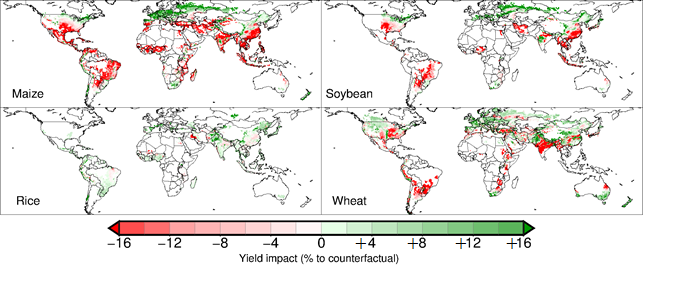
It is widely recognized that the agricultural sector is inextricably linked to climatic conditions. As global temperatures ascend, a disquieting phenomenon emerges: the reduction of optimal crop yields. Crops such as wheat, rice, and corn exhibit a remarkable sensitivity to temperature fluctuations. Studies suggest that for every degree Celsius of global warming, staple crop yields could decline significantly.
Imagine a once-thriving wheat field that now lies parched under the unrelenting sun. Increased temperatures not only exacerbate water scarcity but also heighten the prevalence of pests and diseases. This alteration in the microclimate spells doom for farmers who are often left scrambling for ways to mitigate these impacts.
2. Precipitation Patterns: The Yo-Yo Effect
Seemingly innocuous shifts in precipitation patterns harbor catastrophic repercussions for farmland. Rainfall is becoming increasingly erratic, with some regions grappling with deluges while others experience severe drought. The dichotomy of excessive moisture and parched earth creates an untenable landscape for farmers who depend on predictable rainfall to cultivate their crops.
Furthermore, soil erosion accelerates as heavy rains wash away topsoil, the lifeblood of farmland. Without this nutrient-rich layer, the very foundation of agriculture crumbles. The atmospheric changes that facilitate this erosion are not merely localized but resonate across broader ecological systems, influencing water tables and plant resilience.
3. The Saltwater Intrusion: Rising Sea Levels
As monstrous glaciers melt and ocean waters swell, coastal farmlands are bearing the brunt of saltwater intrusion—a phenomenon that is both insidious and devastating. Saline water contaminates freshwater resources, rendering them unsuitable for irrigation. Traditional crop varieties, which have adapted over millennia to specific soil salinities, now flounder in these inhospitable conditions.
The encroachment of salt not only undermines crop production but also necessitates substantial investments in infrastructure and technology. Farmers are left with an agonizing choice: adapt at incredible financial cost or relinquish their land to the relentless advance of the ocean.
4. Shifts in Agricultural Zones: The New Paradigms
Crop cultivation zones are not static; they evolve based on climatic conditions. As the climate continues to warm, traditional agriculture zones are shifting poleward and upward, stranding farmers tied to ancestral lands. The phenomenon raises questions of equity, as farmers lacking resources or knowledge to adapt may find themselves marginalized or facing existential crises.
Moreover, this geometric transformation means that some regions may become prime agricultural territories while others descend into abandonment. The accessibility of new territories often hinges on socio-economic capacity and governance structures, leaving vulnerable populations further disadvantaged.
5. Food Security: A Global Ripple Effect
The ramifications of farmland loss extend far beyond the immediate agrarian landscape; they weave a tapestry of global food insecurity. As agricultural outputs dwindle alongside the shifting climate, the specter of famine haunts nations, particularly those already strained under economic duress. The complexity of global supply chains means that what transpires in one region may adversely affect consumer food prices and availability worldwide.
Moreover, this predicament is exacerbated by geopolitical tensions, migration patterns, and socioeconomic disparities. As populations migrate from inhospitable lands toward urban centers or more fertile territories, the strain on resources intensifies, igniting conflicts over dwindling arable land.
6. Mitigation Efforts: Resilience Through Innovation
Yet, amid these challenges, there lies a beacon of hope. Innovative agricultural practices, such as regenerative farming, permaculture, and agroecology, present sustainable pathways to bolster resilience against climate variability. These methods prioritize ecological health and community engagement, crafting a symbiotic relationship between humans and their environment.
Technological advancements also promise to play a crucial role in this endeavor. From precision agriculture that utilizes data analytics to optimize resource use, to the development of drought-resistant crop varieties, the potential for transformative change is palpable. Yet, the breadth of such initiatives necessitates collaboration among governments, NGOs, and local communities to cultivate a holistic approach.
7. The Imperative for Action
The sobering reality is that the threat of farmland loss due to climate change requires immediate and concerted action. Policymakers must prioritize sustainable agricultural practices, invest in research, and establish protective frameworks for vulnerable regions. Resilience cannot be an afterthought; it must be woven into the very fabric of agricultural policy and community resilience strategies.
In conclusion, the loss of farmland precipitated by climate change is not merely an environmental crisis—it is a multifaceted dilemma that intertwines with economics, social justice, and human survival. As the narrative unfolds, the urgency for action becomes more pronounced. The future of agriculture hinges on our collective ability to adapt, innovate, and implement tangible solutions that safeguard this invaluable resource for generations to come.





Leave a Comment