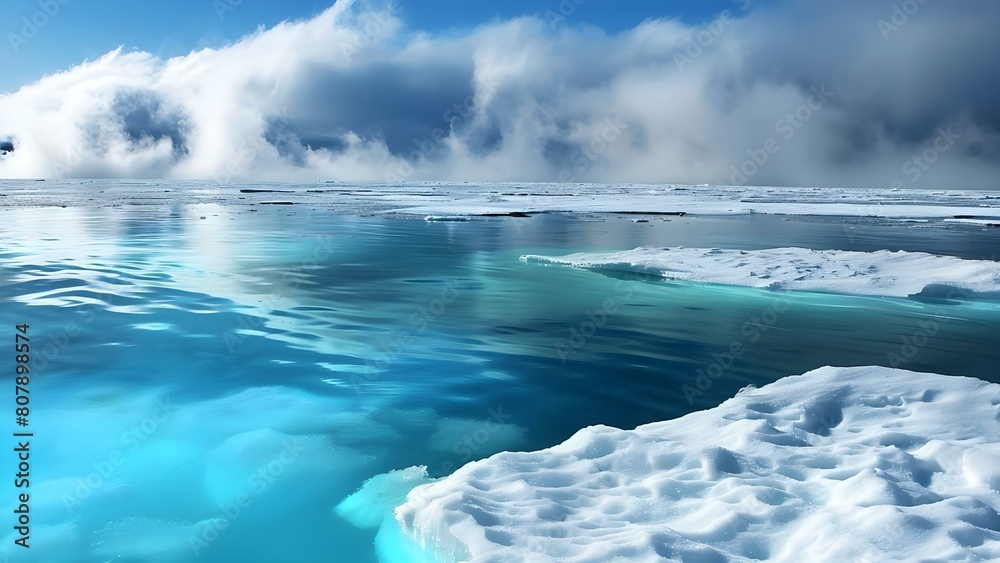
The Arctic region, a once pristine expanse of ice, now faces an unsettling transformation. As climate change continues to escalate, the glaciers and ice sheets that have stood for millennia are retreating at an alarming rate. But what are the implications of this phenomenon? How does the melting ice contribute to the release of carbon dioxide (CO₂) into the atmosphere? As we delve into the intricacies of this issue, let us ponder a challenging question: Can the liberation of this greenhouse gas from melting ice lead to an even more rapid acceleration of global warming?
The Arctic ice melt operates as a complex climate system component. As the ice diminishes, it exposes underlying water and land, creating a feedback loop that exacerbates warming. But what lies beneath this seemingly straightforward visual disruption? Embedded within the ice and the sediments lying beneath are substantial amounts of carbon, locked away for centuries. This carbon has remained sequestered, but as the ice retreats, it becomes susceptible to release.
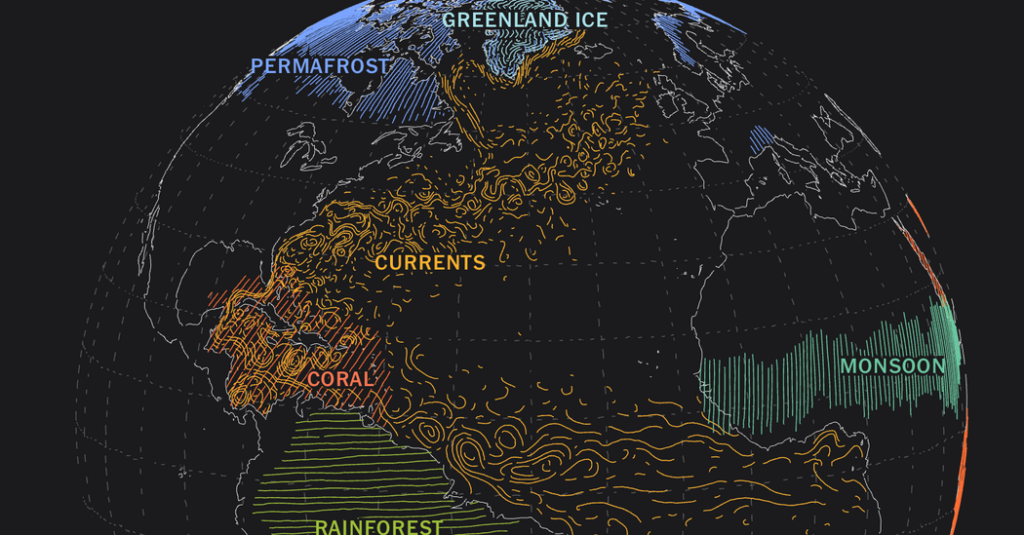
To understand this release mechanism, we must first grasp how CO₂ is stored in Arctic environments. The permafrost, a layer of permanently frozen soil, has remained intact for thousands of years. However, rising temperatures have begun to thaw the permafrost, unleashing a dual threat: both CO₂ and methane, another potent greenhouse gas. In fact, studies indicate that as the Arctic warms, the potential for greenhouse gas emissions could be monumental, leading to an alarming cycle of warming.
The relationship between melting ice and atmospheric CO₂ is not just a linear equation. This is where the narrative grows more intricate. The melting ice alters albedo—an essential property referring to how much sunlight is reflected back into space. Ice, with its high albedo, reflects most of the solar radiation. Conversely, as this ice transforms into liquid water, it absorbs more heat, further enhancing warming. This shift ignites a cascade of effects that further destabilizes the climatic equilibrium.
Consider the repercussions on marine ecosystems as the ice diminishes. The phytoplankton, microscopic organisms that thrive in icy waters, are becoming endangered. These organisms play a vital role in the carbon cycle, as they absorb CO₂ during photosynthesis. A decline in phytoplankton not only means less carbon absorption but also disruptions in the entire food chain. Such a shift jeopardizes marine life, impacting commercial fishing and the livelihoods of communities that depend on these resources.
Moreover, the melting ice releases trapped ancient organic matter. This organic debris, once encased in ice, can decompose as temperatures rise, further contributing to greenhouse gas emissions. The microbial activity involved in this decomposition process releases CO₂, accelerating the warming cycle. The link between ice melt and microbial activity underscores the importance of preserving these frozen landscapes, highlighting our role in mitigating this ongoing crisis.
As we witness this dramatic transformation, we must confront the urgency of the situation. Are we prepared to grapple with the ramifications of releasing historical CO₂ stores? With the Arctic experiencing unprecedented changes, the pressing question remains: How do we combat the inevitable feedback loops poised to bring about greater climatic turmoil?
The pathway to addressing this conundrum demands multifaceted strategies. International cooperation is crucial—governments must unite to implement meaningful policies aimed at reducing greenhouse gas emissions globally. Transitioning to renewable energy sources, enhancing energy efficiency, and advocating for sustainable practices are vital steps in addressing this escalating crisis.
Furthermore, public awareness plays a pivotal role in combating climate change. Educating individuals about the dangers of Arctic ice melt and its intricate relationship with CO₂ emissions can galvanize community action. As we explore the far-reaching consequences of our behavior, it’s imperative to foster a sense of stewardship towards our planet. When citizens become informed, they can advocate for meaningful change and hold policymakers accountable.
Technological innovation also presents an avenue for change. Developing carbon capture and storage technologies can mitigate some emissions resulting from warming temperatures. These solutions, while promising, require financial investment and research to ensure their effectiveness. Therefore, collaboration between governments, private entities, and academic institutions is essential for fostering advancements in this field.
Ultimately, the story of Arctic ice melt is emblematic of a larger narrative about climate change—a defining issue of our era. The interconnectivity between melting ice and CO₂ release delivers an urgent message: we must act decisively. The interactions between our actions, industrial practices, and the natural world create an intricate web of dependencies that demand our attention.
In closing, the situation is dire. Arctic ice melt is a harbinger of not just environmental shifts but also socioeconomic upheaval. While the challenge appears monumental, it is not insurmountable. Solutions exist, waiting to be embraced by conscientious citizens, inspired policymakers, and innovative thinkers. The time is now to prioritize our planet’s health: the future of the Arctic—and, by extension, humanity—depends on it.





Leave a Comment