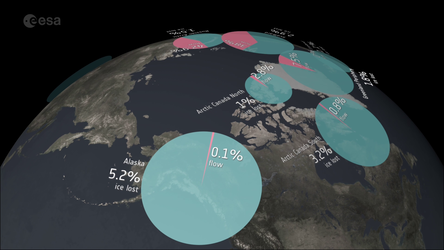
In the grand tapestry woven by nature, glaciers serve as both the sentinels and the witnesses of our planet’s intricate climate narrative. These magnificent formations of ice, often likened to nature’s frozen rivers, hold secrets that extend far beyond their frigid exteriors. They capture the essence of Earth’s historical climate fluctuations and, concurrently, reflect the urgent storyline of contemporary climate change. As we delve into the mesmerizing world of glacier illustrations that elucidate ice loss, we embark on a journey of discovery — a quest to comprehend the stark realities enfolded within these stunning visuals.
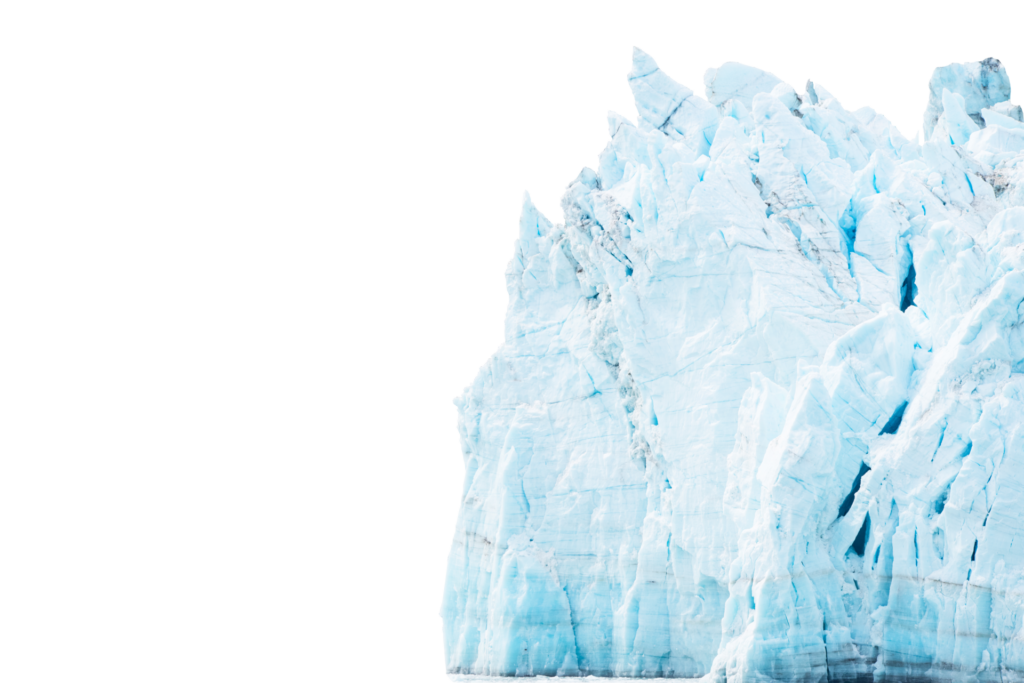
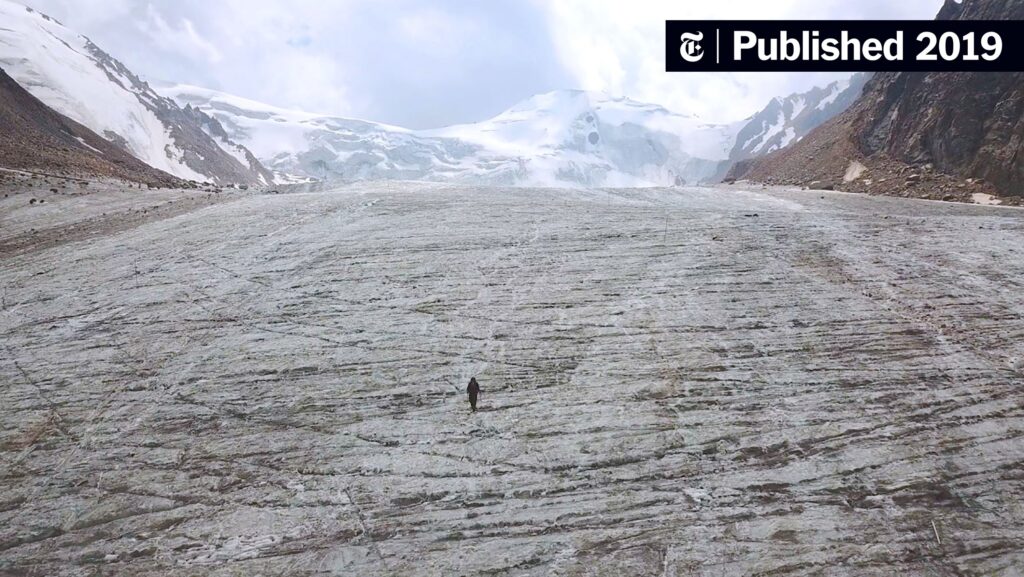
To appreciate glacier drawings, one must first understand the monumental scale they represent. Imagine standing before a soaring wall of ice that overwhelmingly dwarfs the structures of human civilization. Each delicate line and shade within the drawing encapsulates decades — even centuries — of glacial history. Here lies an embodiment of time: a testament not just to glacial formations, but to our ignorance of the warming world. For instance, at a glance, a quaint sketch of a glacier might seem deceptively serene, yet underneath such beauty, profound transformation is taking place.
The metaphor of ‘nature’s heartbeat’ can effectively describe glaciers. They breathe, expand, and contract in response to climatic conditions. These drawings portray, in vivid detail, the rhythm of melting ice, echoing the symphony of our warming planet. The intricate lines and textures resonate with the complexities of glacial dynamics. Ice crystals nearly sing of the temperatures they once endured, transforming into water, then vapor, vanishing into the atmosphere — a poignant reminder that our actions directly influence this delicate balance.
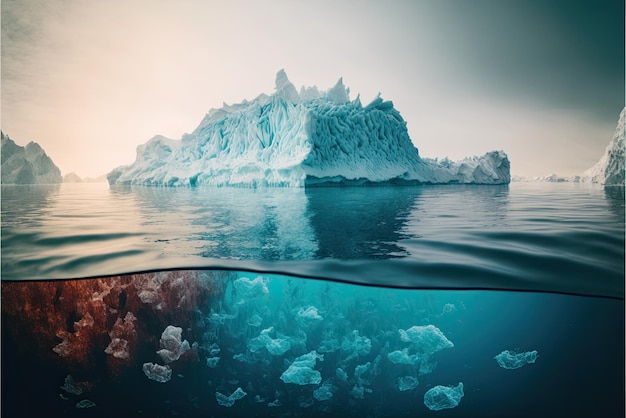
Contrast is a pivotal element in these artistic renditions. One might observe a juxtaposition between the majestic stature of the glaciers and their diminishing silhouettes. In a haunting yet compelling way, these illustrations might depict the stark remnants of once-vast ice fields shrinking against the backdrop of vibrant landscapes. The canvas may feature a radiant sun casting light upon a shrinking ice cap, or dark clouds gathering ominously above a crumbling glacier — each stroke capturing the duality of beauty and tragedy inherent in nature’s stories.
One particularly striking aspect of glacier drawings is their ability to evoke emotion. They pull on the threads of nostalgia as they remind us of a pristine wilderness that is rapidly vanishing. Such representations resonate on a deeply personal level. Consider how we might feel when gazing at an image of a once-thriving glacier that now lies shrunken to fractions of its former self. The art invites viewers to confront an unsettling truth: this colossal entity, emblematic of eternal stillness, is now a specter of impermanence, a poignant reminder of the fragility of our environment.
Moreover, the unique appeal of these drawings lies not only in their aesthetic allure but also in their pedagogical power. A child, armed with a box of crayons, can draw the outline of a glacier. Yet, it is within the nuances of shading that the real education begins. By exploring the gradients of blue and white, the young artist simultaneously learns about the ice’s texture and temperature variations, all while grasping the simple yet profound truth of environmental impact. Every stroke of the drawing can serve as a launchpad for provocative conversations regarding climate change, scientific inquiry, and artistic expression.
This confluence of art and science embodies the core inspiration for many modern artists. They harness the evocative nature of glacier visuals to challenge societal apathy towards environmental issues. Walking through an exhibition that showcases these drawings, one may feel a palpable tension between the allure of beauty and the weight of urgency. This fusion speaks volumes, encapsulating not just the climate crisis but also a clarion call for action — a reminder that our futures are intricately interwoven with the health of our planet.
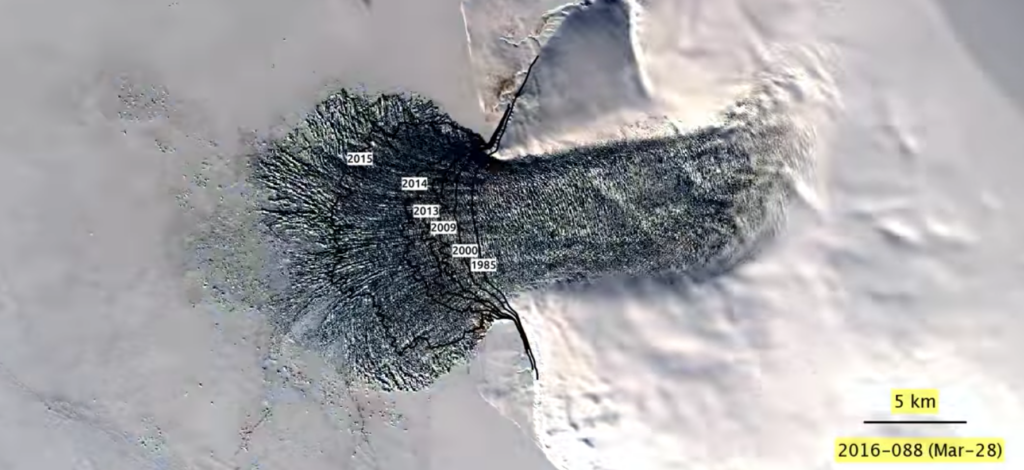
In deciphering the intricate dilemma encapsulated by glacier artworks, one might draw parallels to a book of ancient wisdom. Every glacier tells tales of epochs long past, preserving insight into Earth’s climatic variations. Yet, as this narrative progresses, the pages are fading. Illustrations that once captured vast expanses of ice are replaced with sketches of barren land or transient waterways. Artists and scientists alike are challenged to document this transition, marrying beauty with eerie foreboding as we grapple with the overarching consequences of climate change.
Ultimately, glacier drawings serve a dual purpose: they are both a celebration of nature’s icy magnificence and a stark warning about the consequences of our actions. As we scrutinize their details, it is imperative we leverage this understanding into informed action, ensuring we do not become mere spectators in this unfolding narrative. Their appeal transcends the immediate visual experience, urging humanity to engage in proactive stewardship of the environment, advocating for policy changes and promoting sustainable practices.
In conclusion, the intricate kaleidoscope of glacier illustrations not only reveals the beauty and vulnerability of ice formations but also serves as a prompt for reflection and action. As the artists continue to translate the silent screams of melting ice into compelling forms, we are left with a crucial question: Will we heed the clarion call of these stunning visuals, or will we allow the essence of the glaciers to dissolve alongside their majestic forms? Nature’s silent witnesses beckon us to comprehend their stories and inspire change before the pages of this narrative turn irrevocably yellowed with regret.




Leave a Comment