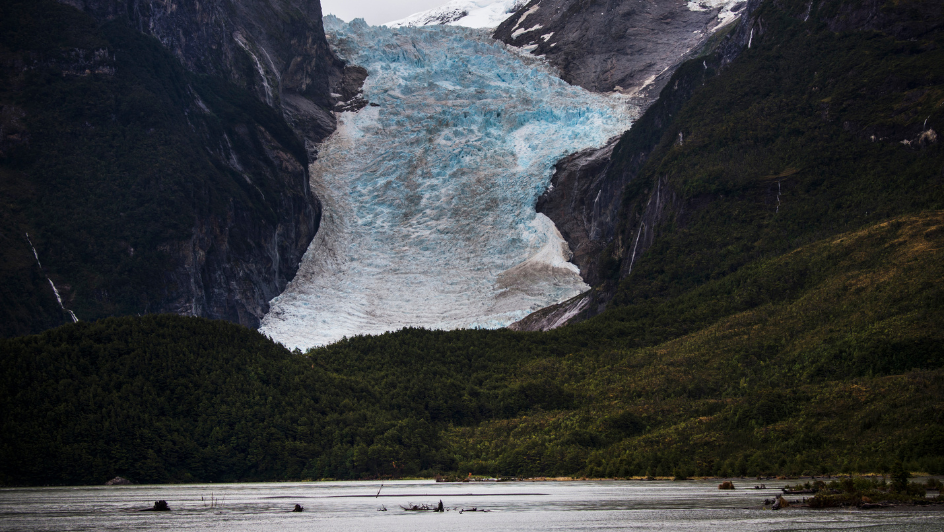
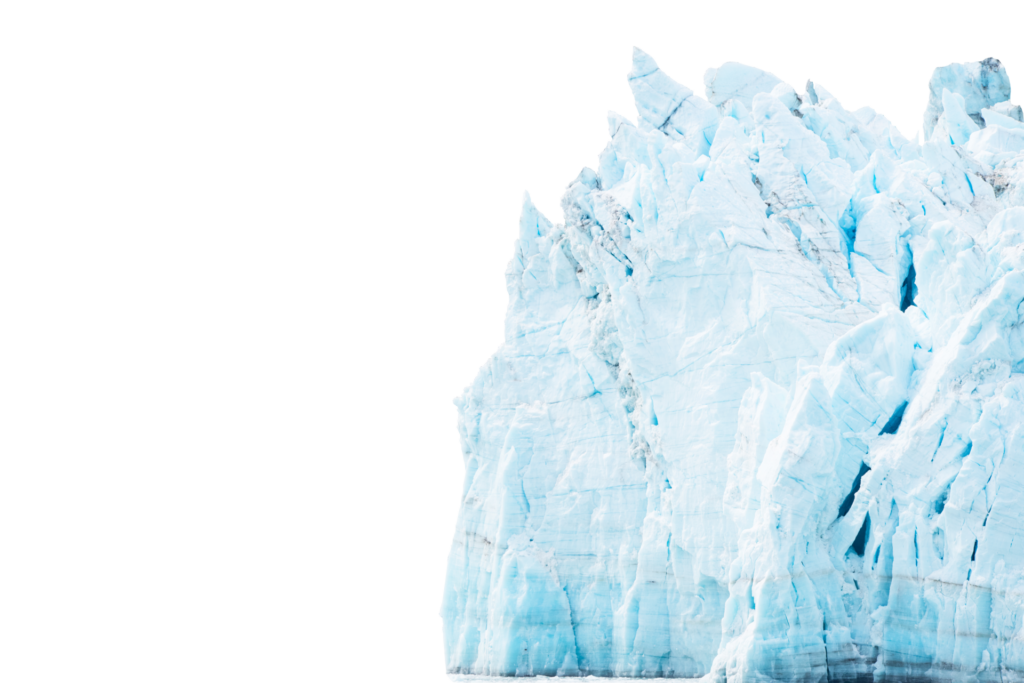
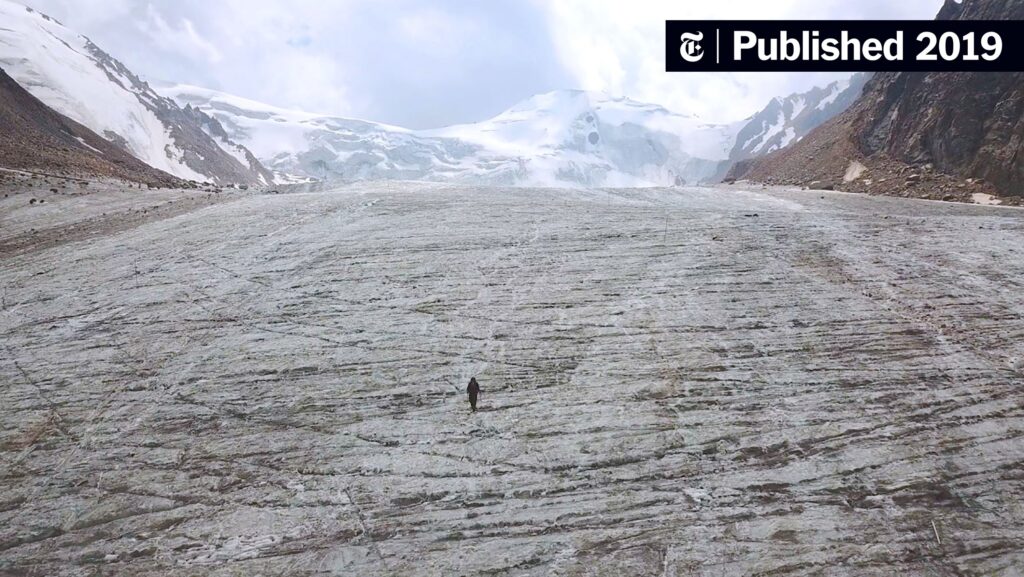
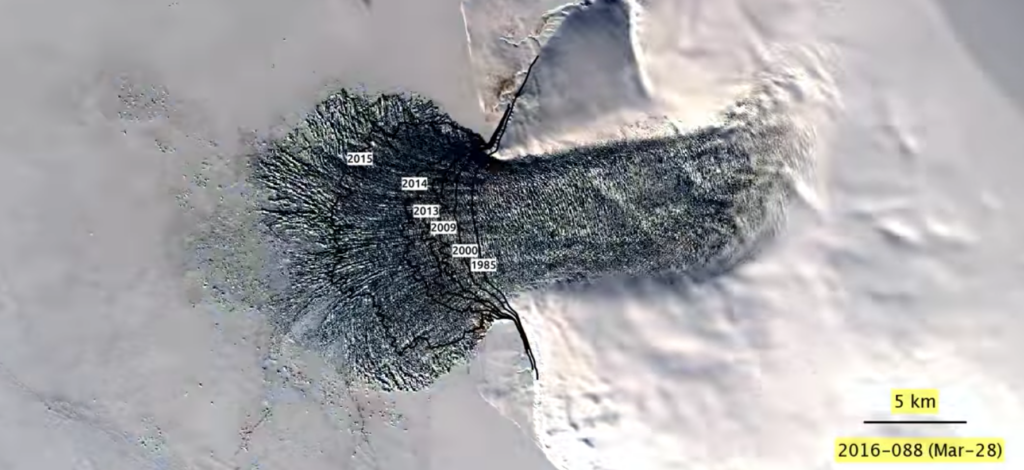
As the world continues to grapple with the existential threat posed by climate change, few indicators are as stark and alarming as the rapid melting of mountain glaciers. These majestic formations, historically a source of awe and inspiration, are now harbingers of ecological doom. The consequences of their retreat extend far beyond the picturesque landscapes they adorn; they reverberate through ecosystems, human societies, and the very stability of our planet’s climate system. Let’s delve into five of the most alarming realities associated with this pressing environmental crisis.
1. Water Scarcity and Human Dependency
Mountain glaciers serve as critical freshwater reserves for millions of people around the globe. In regions such as the Himalayas, Andes, and Alps, these ice formations act as natural water towers, slowly releasing meltwater that sustains rivers and ecosystems below. As temperatures rise, the equilibrium that allows these glaciers to maintain their mass begins to falter. The reverberating effects are profound: as glaciers melt at unprecedented rates, the reliable flow of freshwater diminishes. Communities that have historically depended on glacial runoff for agriculture, drinking water, and daily sustenance find themselves facing an uncertain future characterized by increasing water scarcity. The implications for food security and public health are dire, putting immense pressure on both human populations and biodiverse ecosystems depending on these vital water sources.
2. Rising Sea Levels: A Global Crisis
While the immediate effects of melting glaciers may be most acutely felt in nearby communities, the consequences echo far beyond mountainous regions. The contribution of glacial melt to sea level rise is significant and cannot be understated. As glaciers shed ice, water flows into oceans, exacerbating the already worrying trend of rising sea levels. This phenomenon threatens coastal cities around the world, with the prospect of increased flooding, soil erosion, and the destruction of essential habitats. In both developed and developing nations, millions may become climate refugees, forced to abandon their homes as the land they once knew succumbs to the encroaching sea. The implications are immense, necessitating urgent adaptations in urban planning, disaster preparedness, and global cooperation.
3. Ecosystem Disruption and Biodiversity Loss
The interplay between glaciers and surrounding ecosystems is intricate and often delicate. Glaciers foster unique habitats for numerous species, from the tiniest microorganisms to larger fauna that rely on cold, glacial meltwater. As temperatures escalate, countless species are forced to adapt or face extinction. The disappearance of glaciers disrupts the natural cycles that maintain ecological balance; species that depend on glacial runoff or cold water conditions may find themselves in peril. Furthermore, the loss of glaciers alters habitats, prompting shifts in vegetative zones and amplifying competition among species. The resultant biodiversity loss poses a grave threat to the resilience of ecosystems, with cascading effects that can ripple across entire food webs.
4. Economic Impact and Climate Change Feedback Loops
Climate change is not only an environmental concern; it extends to economic domains as well. The retreat of mountain glaciers directly affects industries reliant on stable water supplies, particularly agriculture, hydropower, and tourism. Farmers are increasingly confronted with unpredictable water availability, impacting crop yields and food production. Similarly, hydropower plants, once reliable sources of energy, face diminished efficiency as water flow fluctuates. This economic uncertainty provokes a feedback loop where environmental degradation exacerbates climate change, engendering a cycle that seems almost inescapable. Investment in adaptation strategies and sustainable practices emerges as vital to mitigate economic fallout and foster resilience in affected industries.
5. Cultural Heritage and Identity at Risk
The significance of glaciers reaches beyond their physical presence; they are intertwined with the cultural heritage and identity of many communities. Indigenous populations, in particular, often view glaciers as sacred entities, integral to their spiritual beliefs and cultural narratives. With their swift disappearance, a profound loss of cultural identity looms. Artistic traditions, tales of the land, and age-old practices may fade into obscurity as the environments they are connected to transform irrevocably. This potential erasure of cultural knowledge underscores the urgent need for conserving not only the physical attributes of glaciers but also the cultural narratives that persist in their shadows. Engagement with local communities is crucial, ensuring that their voices are included in discussions addressing conservation and climate action.
In conclusion, the melting of mountain glaciers is not merely an environmental issue; it is an unraveling tapestry of interrelated crises that hold dire implications for humanity and the natural world alike. As we contemplate the fateful consequences of this phenomenon, it becomes imperative that we act decisively and collectively. Only through concerted global efforts can we hope to preserve the majestic beauty of our planet’s glaciers and safeguard the myriad benefits they provide. The urgency for action is palpable; the time to heed this call is now.




Leave a Comment