
In an era defined by the escalating impacts of climate change, the concept of climate resilience has emerged as a beacon of hope and a critical framework for steering our future. As the frequencies of extreme weather events, sea-level rise, and biodiversity loss proliferate, communities around the globe are compelled to navigate an uncertain landscape. The fascination with climate resilience is manifold: it involves not only scientific ingenuity but also the resilience of human spirit and adaptability in the face of existential threats.
At its essence, climate resilience pertains to the capacity of individuals, communities, and ecosystems to prepare for, respond to, and recover from climate-related disturbances. This multifaceted approach encapsulates diverse strategies that can be integrated into physical infrastructure, governance practices, economic models, and social networks. To explore the intricate layers of climate resilience, one must delve into its foundational elements, illustrating how the world embodies this adaptation in remarkable ways.
Firstly, we must recognize the importance of robust infrastructure as a cornerstone of climate resilience. In urban landscapes, the integration of green infrastructure—such as green roofs, rain gardens, and permeable pavements—serves not only to mitigate flooding but also to enhance urban biodiversity. These innovative designs not only foster ecological balance but also contribute to the mental and physical well-being of urban inhabitants. As cities evolve, the shift towards sustainable architecture and infrastructure represents a critical acknowledgment that the built environment must adapt in tandem with our climate reality.
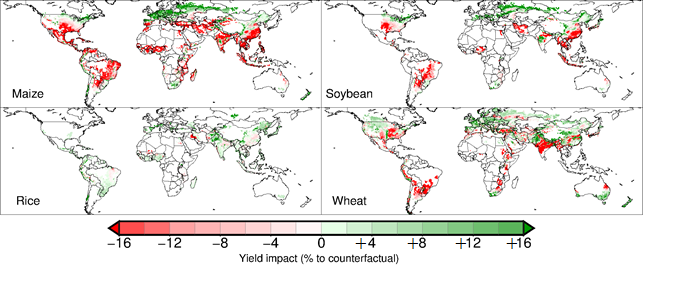
Moreover, agricultural practices have undergone significant transformations in response to climate variability. The adoption of climate-smart agriculture—a practice that integrates sustainable farming techniques, such as crop rotation and agroforestry—empowers farmers to bolster their resilience against erratic weather patterns. By improving soil health and diversifying crops, agronomists not only secure food systems but can also contribute to carbon sequestration efforts. Cultivating a new generation of farmers who are attuned to permaculture practices can establish a vital link between land stewardship and climate resilience.
Community engagement plays a pivotal role in fortifying resilience. Empirical research illuminates that communities that are actively involved in the decision-making processes regarding climate adaptation tend to exhibit greater resilience. Initiatives that encourage local participation in vulnerability assessments and adaptation planning foster a sense of ownership and solidarity among residents. These collaborative endeavors are often steeped in indigenous knowledge and local traditions, enriching the resilience narrative with cultural significance. People do not just adapt; they weave their identities into the very fabric of the ecological tapestry, establishing a reciprocal relationship with their environment.
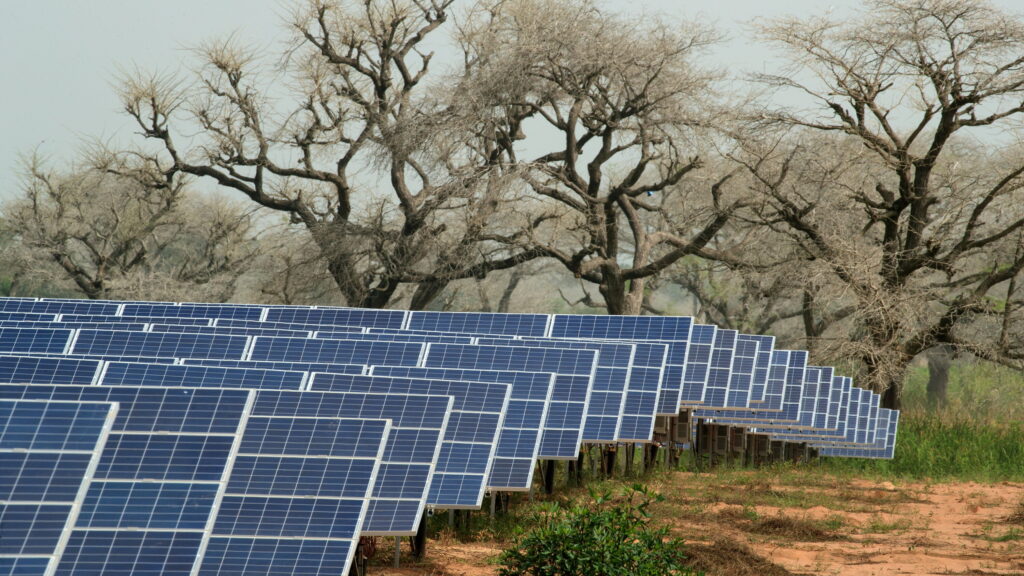
Furthermore, we must examine the significance of policy frameworks in catalyzing climate resilience. Governments across the globe are incrementally recognizing the necessity of integrative policies that address climate change mitigation and adaptation simultaneously. By implementing comprehensive climate policies, nations can facilitate investments in renewable energy, promote sustainable land use, and enhance disaster preparedness. Such policies not only serve to abate climate impacts but also reframe the narrative around climate action as a fundamental driver of economic growth and social equity.
In tandem with policy evolution is the requisite of financial mechanisms that mobilize resources towards resilience-building initiatives. Green bonds, climate insurance, and innovative financing solutions play an instrumental role in channeling funds to vulnerable sectors. These financial instruments can catalyze unprecedented opportunities for investment in renewable energy technologies and resilient infrastructure, illustrating that economic incentives can harmonize with ecological imperatives. The economic rationale for resilience must be embedded within financial paradigms to incentivize long-term investments against climate threats.
Yet, amidst these advancements, the stark reality remains that climate injustices proliferate globally. Marginalized communities, often the most susceptible to climate impacts, are further exacerbated by systemic inequalities. Addressing these injustices is not merely a matter of equity, but a fundamental prerequisite for holistic climate resilience. Disparate access to resources, technology, and information diminishes the capacity of vulnerable populations to adapt effectively. It is incumbent upon policymakers and leaders to ensure that resilience-building efforts are inclusive and equitable, promoting social justice as an integral tenet of climate action.
As the narrative unfolds, we also observe the role of technology and innovation as catalysts for climate resilience. Advances in data analytics and remote sensing empower communities to monitor and predict climate impacts with unprecedented accuracy. Technological innovations, such as artificial intelligence and blockchain, have the potential to enhance resource efficiency, streamline supply chains, and improve disaster response efforts. Harnessing the ingenuity of the tech industry in the service of climate resilience embodies a collective aspiration for a sustainable future while highlighting the necessity for ethical considerations in technological deployment.
Ultimately, the quest for climate resilience is a tapestry interwoven with threads of hope, action, and responsibility. It calls upon humanity to envision a world where collaboration transcends borders, where nature is not seen merely as a resource to exploit but as an ally in our survival. This ongoing dialogue regarding climate resilience underscores an inexorable truth: our fates are inextricably linked, and the adaptability that defines our species is our greatest asset. The time to act is not merely an obligation but an opportunity—a chance to mold a future that honors the delicate balance between people and planet and amplifies the voices of those striving for sustainability.






Leave a Comment