In the grand theater of Earth’s narrative, climate change and global warming often appear as two leading characters — each captivating, yet intricately woven into the fabric of a single story. While they dance around one another in a seemingly endless performance, the question arises: which came first? To unravel this enigma, one must delve into the genesis of these phenomena, discerning their distinct roles in the environmental saga.
The tale begins in the hallowed halls of scientific inquiry, where the concept of climate has long held prominence. Climate, as a construct, refers to the long-term patterns of temperature, humidity, wind, and precipitation that define a region. Within this framework, we meet global warming, a more specific term that denotes the recent and rapid increase in Earth’s average surface temperature, attributed to human activities such as burning fossil fuels and deforestation. Consequently, global warming serves as a subtext in the broader storyline of climate change.
To fully grasp the nuances of these two terms, one must embark on a temporal journey. Picture a tree, its roots delving deep into the soil, representing the natural climate systems that have existed for millennia. Above this foundation, the trunk of the tree stands sturdy, symbolizing the current state of Earth’s climate — a delicate equilibrium maintained for centuries. However, the foliage — lush and vibrant — is laden with consequences of industrial progress and anthropogenic impact. This foliage represents global warming, sprouting from the trunk and overshadowing the intricate weave of climate change.
The historical backdrop reveals that climate change, as a broad phenomenon, has been a constant player on Earth’s stage for eons. Shifts in the Earth’s orbit, volcanic eruptions, and celestial events have sculpted climates over millennia. Yet, it was not until the Industrial Revolution that the pace of climate change accelerated dramatically, giving rise to the newer act of global warming. This pivotal era marked the transition from harmonious coexistence with nature to a chaotic dance driven by human ambition and technological advancement.
The call of global warming is urgent and profound. It reverberates through the ecosystems, straining the already fragile equilibrium of our planet. As greenhouse gases — chiefly carbon dioxide and methane — rise in the atmosphere, they envelop the Earth like an insidious shroud, trapping heat and disrupting the very climatic systems that sustain life. This warming leads to ominous outcomes, such as melting glaciers, sea-level rise, and altered weather patterns, each a sonorous note in the dirge of a warming planet.
However, the plot thickens. Climate change encompasses a multitude of consequences beyond mere temperature fluctuations. It includes shifts in rainfall patterns, increased frequency of extreme weather events, and a cascade of impacts on biodiversity. In this narrative, global warming acts as a catalyst, igniting a series of reactions that reverberate throughout the ecosystem. The storyline of climate change thus unfolds, revealing that while global warming is a key chapter, it does not encapsulate the entirety of the crisis at hand.
As we navigate through this intricate narrative, it becomes imperative to recognize the interdependence of these two phenomena. They are not isolated entities but rather intertwined threads in the tapestry of our planet’s climatic destiny. Indeed, global warming can be perceived as a symptom of the broader ailment of climate change. As the Earth’s temperature rises, it exacerbates existing vulnerabilities within ecosystems, leading to shifts in species distribution, habitat loss, and the potential extinction of numerous organisms. Each species loss underscores a critical chapter in this ongoing tragedy of the commons.
One must also consider the sociopolitical dimensions of this story. Climate change is not merely an environmental issue; it is a multifaceted challenge that intersects with human livelihoods, economic stability, and social justice. Vulnerable populations, often those least responsible for the crisis, find themselves on the frontlines, bearing the brunt of the repercussions. In this light, global warming emerges as an amplifying force, intensifying the challenges faced by those already grappling with the reality of climate change.
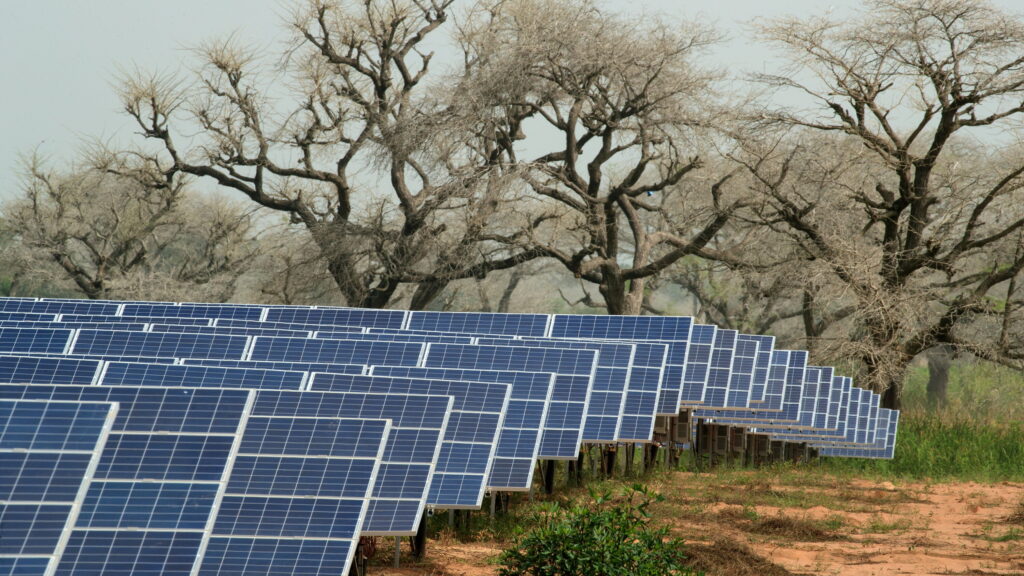
Despite the darkness that pervades this tale, glimmers of hope shine amid the dissonance. Awareness and action are burgeoning, as individuals and communities rally to combat the looming specter of climate change. Innovations in renewable energy, reforestation initiatives, and sustainable agricultural practices are sprouting up like new shoots on our metaphorical tree, signifying resilience and adaptation in the face of doom. The narrative is still being written, with each of us wielding the pen — capable of scripting a different ending.
Ultimately, the distinction between climate change and global warming embodies a crucial understanding of our planet’s plight. Global warming acts as a driving force within a more expansive narrative of climate change, illuminating the interconnectedness of human activity and environmental impact. This realization is the foundation upon which a more sustainable future may be forged, one where future generations can thrive in harmony with the Earth. As stewards of this planet, the choice is ours: to continue the cycle of destruction or to embrace a renaissance of environmental stewardship.
In conclusion, the question of which came first — climate change or global warming — serves as a poignant reminder of our intertwined fates. As the curtain rises on this critical chapter, the story remains unresolved. It beckons to each of us to engage actively in the unfolding plot, ensuring that the legacy we leave behind is one of hope, resilience, and renewal.





Leave a Comment